

Zero-Waste Steel Construction: 5 Ways to Reduce Building Waste
Zero-Waste Steel Construction is an important approach to reducing material waste and improving sustainability in modern industrial projects. By using pre-engineered steel buildings (PEB), construction companies can optimize material usage, minimize on-site debris, and improve installation efficiency.
Unlike construction methods that require extensive on-site cutting and modification, steel components are precisely fabricated in controlled factory environments before being delivered for assembly.
At Kirby Southeast Asia, we apply this approach to help customers achieve cleaner, more efficient, and environmentally responsible construction.
Table of Contents
- What Is Zero-Waste Steel Construction?
- How Pre-Engineered Steel Reduces Material Waste
- 5 Benefits of Waste Reduction in Steel Construction
- Thailand Warehouse Project: A Practical Example
- Why Precision Fabrication Matters
- Kirby Southeast Asia: Building a Sustainable Future
- Frequently Asked Questions
1. What Is Zero-Waste Steel Construction? {#zero-waste-construction}
Zero-Waste Steel Construction focuses on minimizing material waste throughout the building process.
It starts with accurate engineering, efficient material planning, and precision fabrication.
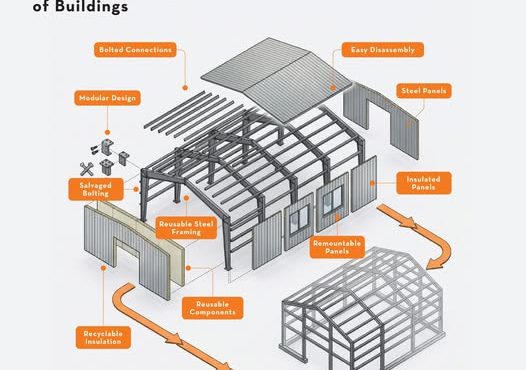
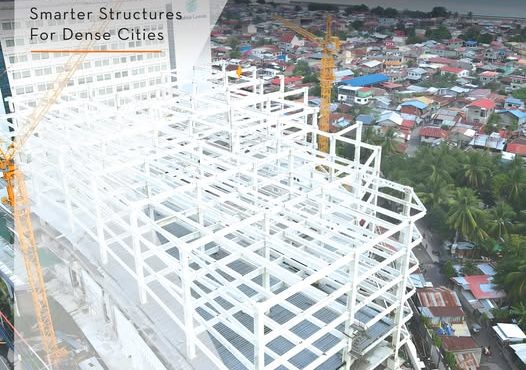
Pre-engineered steel buildings support this approach because most structural components are manufactured off-site according to project specifications.
This reduces unnecessary cutting, modifications, and material handling at the construction site.
Although achieving literally zero waste can be challenging, good design and production planning help move projects closer to this goal.
2. How Pre-Engineered Steel Reduces Material Waste {#reduce-material-waste}
Material waste is one of the hidden costs of construction. It affects project budgets, resource consumption, and environmental performance.
Pre-engineered steel systems help address this challenge through several processes:
- Precision fabrication: Components are manufactured according to engineering drawings and specified dimensions.
- Optimized material usage: Structural design helps allocate materials according to project requirements.
- Off-site production: Factory fabrication reduces the need for extensive on-site cutting and modification.
- Ready-to-assemble delivery: Components arrive prepared for installation, supporting more organized construction activities.
These processes help reduce unnecessary material consumption and improve construction efficiency.
3. 5 Benefits of Waste Reduction in Steel Construction {#five-benefits}
Reducing construction waste delivers benefits beyond environmental protection.
1. Less material waste
Accurate fabrication and material planning help minimize offcuts and unused steel components.
2. Cleaner construction sites
Fewer cutting and modification activities help reduce on-site debris and improve site organization.
3. Less rework and fewer errors
Proper engineering and quality control before delivery help minimize installation adjustments and avoidable rework.
4. Reduced disposal requirements
Lower waste generation means fewer materials need to be collected, transported, and sent for disposal.
5. Improved project efficiency
Organized fabrication and installation support better coordination, helping construction teams manage project schedules more effectively.
Together, these benefits make pre-engineered steel buildings a practical solution for more responsible construction.
4. Thailand Warehouse Project: A Practical Example {#thailand-project}
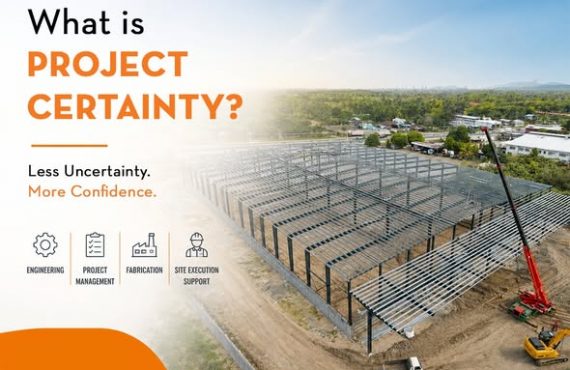
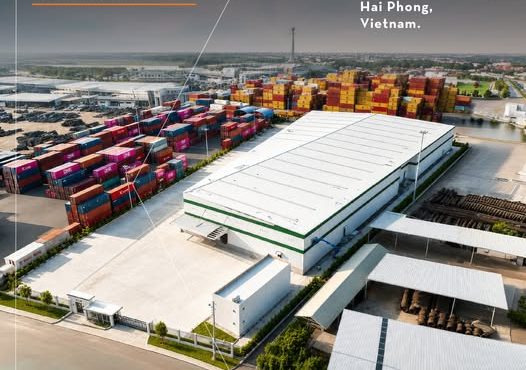
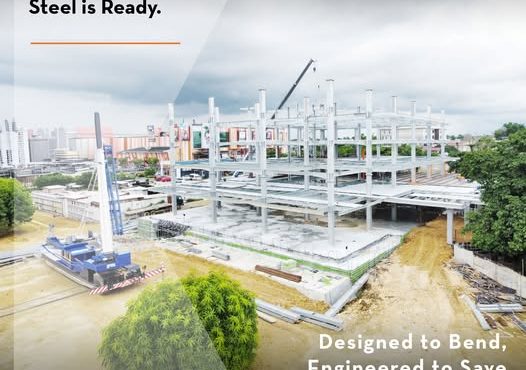
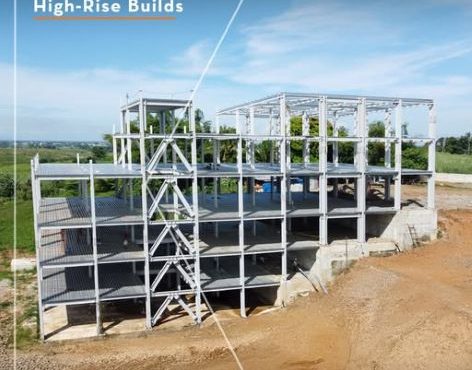
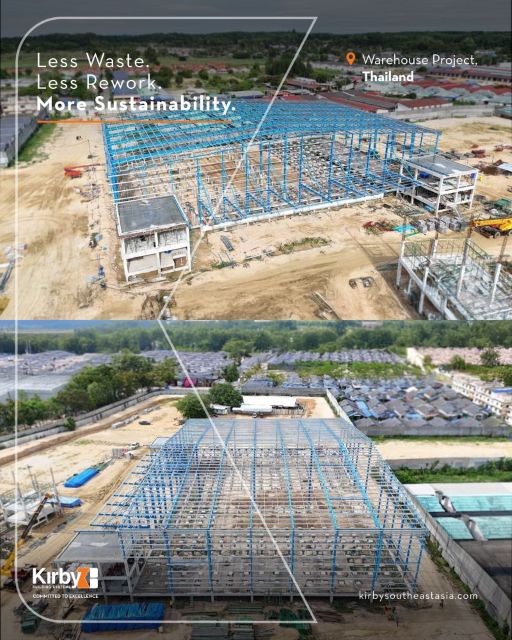
Kirby’s warehouse project in Thailand demonstrates how pre-engineered steel systems can support more efficient material management.
Through carefully planned engineering and precision-fabricated components, the project optimized material usage and minimized unnecessary waste generation.
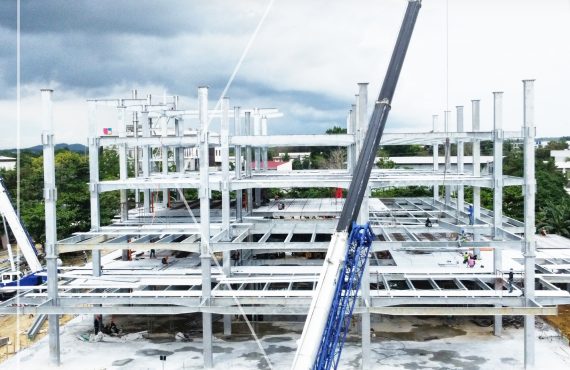
Components were prepared off-site and delivered for assembly according to project requirements.
This approach helped create a cleaner and more organized construction process.
The project reflects Kirby’s commitment to improving construction efficiency while supporting more sustainable industrial development.
5. Why Precision Fabrication Matters {#precision-fabrication}
Precision fabrication plays a major role in reducing construction waste.
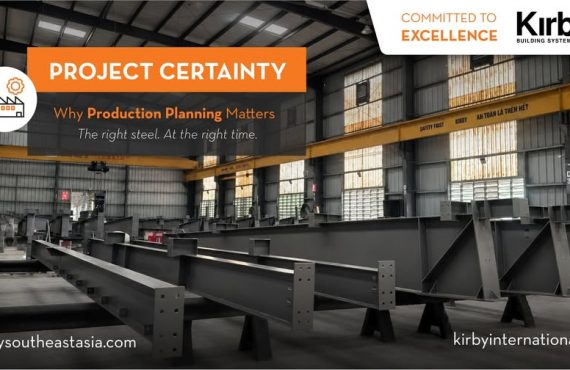
Steel components are manufactured in controlled factory environments using approved engineering specifications.
This allows fabrication teams to plan cutting patterns, dimensions, and material quantities before production.
It also reduces the need for unnecessary adjustments at the construction site.
According to the Steel Construction Institute, efficient steel fabrication and material planning can help minimize offcuts and support material recovery.
Steel offcuts can also be collected and recycled, helping conserve valuable resources.
6. Kirby Southeast Asia: Building a Sustainable Future {#kirby-sustainability}
At Kirby Southeast Asia, sustainability begins long before a building is completed.
Our pre-engineered steel building solutions focus on precision engineering, controlled fabrication, and efficient on-site assembly.
By optimizing material usage and reducing unnecessary construction activities, we aim to help customers achieve more efficient industrial projects.
We believe that good design is the foundation of responsible construction.
Explore our Pre-Engineered Steel Building solutions to discover how Kirby supports modern industrial development.
Zero waste isn’t just a target – it’s a result of good design.
Contact our team at sales@kirby.vn for a consultation about your next project.
7. Frequently Asked Questions {#faqs}
What is zero-waste construction?
Zero-waste construction aims to minimize material waste through better design, accurate material planning, reuse, and recycling throughout the construction process.
How do pre-engineered steel buildings reduce waste?
They use precision-fabricated components manufactured off-site, reducing unnecessary cutting, modifications, and material waste during installation.
Can steel construction materials be recycled?
Yes. Steel is a highly recyclable material. Offcuts and recovered steel can be collected and processed for future use.
Why is precision fabrication important?
It helps ensure components meet specified dimensions, reduces installation adjustments, and improves material utilization.
Conclusion
Reducing construction waste is essential for building a more sustainable industrial future.
Through precision engineering, off-site fabrication, and efficient assembly, pre-engineered steel buildings help minimize material waste, reduce rework, and create cleaner construction sites.
At Kirby Southeast Asia, we believe every project is an opportunity to build more responsibly.
Design Better. Waste Less. Build with Kirby.