

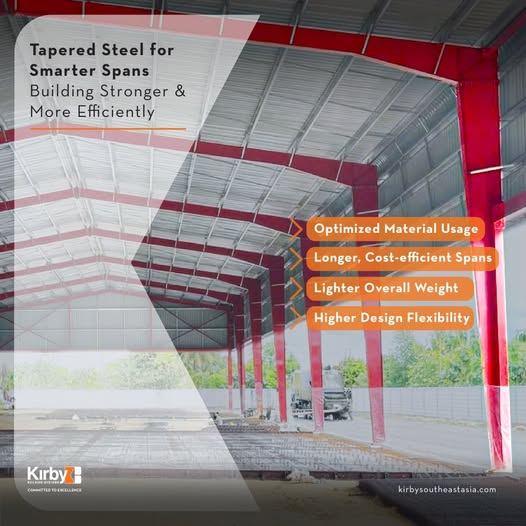
Built-Up Tapered Steel Sections: 5 Key Benefits in PEB Design
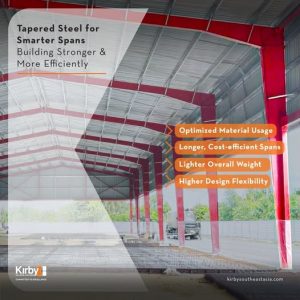
At Kirby Southeast Asia, one of the key advantages of Pre-Engineered Buildings (PEB) lies in the use of Built-Up Tapered Steel Sections. These engineered members provide a smarter and more efficient alternative to conventional hot-rolled steel sections, helping create structures that balance strength, material efficiency and design flexibility.
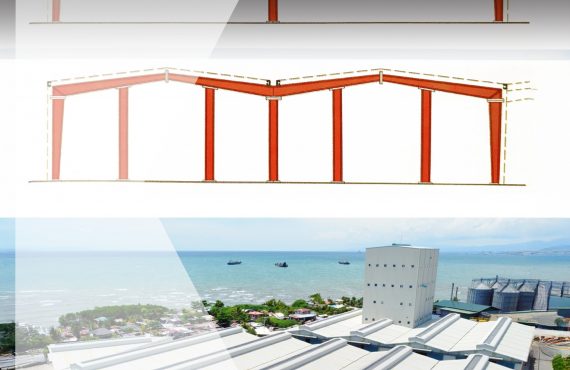
Unlike standard steel sections with a constant depth, built-up tapered members are designed with varying depths along their length. This allows engineers to position steel material where structural demand is greater, supporting efficient performance in industrial buildings, warehouses and logistics facilities.
Table of Contents
- What Are Built-Up Tapered Steel Sections?
- How Tapered Steel Sections Work in PEB Design
- 5 Key Benefits of Built-Up Tapered Steel Sections
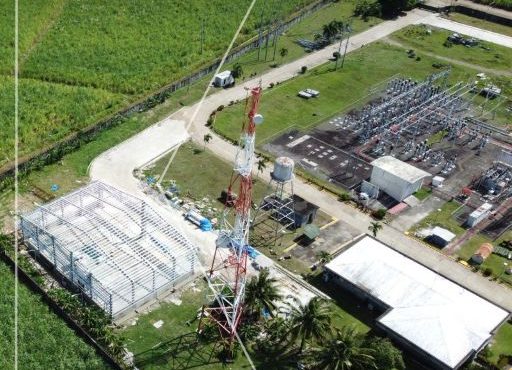
- Applications in Industrial Buildings
- Engineering and Manufacturing Considerations
- Efficient Steel Building Solutions by Kirby
What Are Built-Up Tapered Steel Sections?
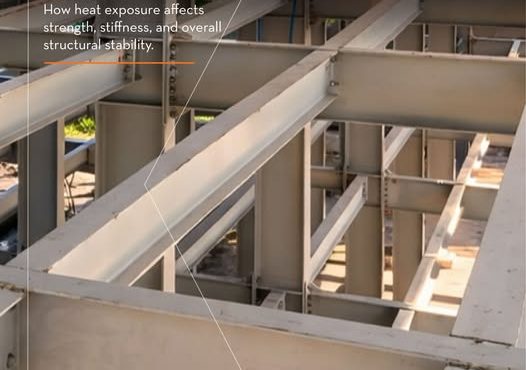
Built-Up Tapered Steel Sections are structural steel members fabricated by welding individual steel plates together to form an I-shaped cross-section. Typically, the assembly consists of two flange plates and one web plate. The depth of the web can vary along the member to suit the structural requirements.
This differs from conventional hot-rolled sections, which generally have a constant cross-sectional depth. With built-up members, engineers can customize the geometry to suit the building’s span, loading conditions and structural configuration.
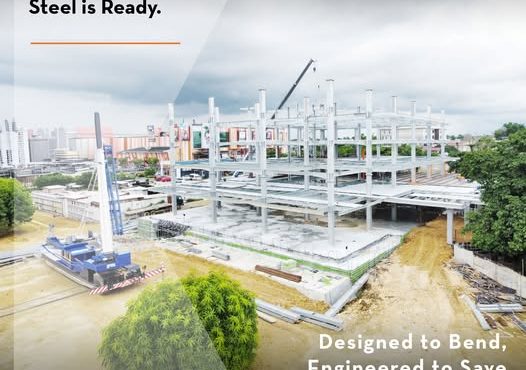
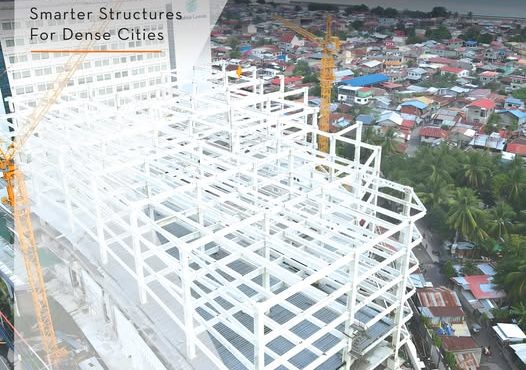
In a typical PEB frame, these members are commonly used for primary structural components such as columns and rafters. Their dimensions are determined through structural analysis and design requirements rather than relying on one standard section size.
How Tapered Steel Sections Work in PEB Design
The main principle behind tapered steel design is to match the member’s geometry with the distribution of structural forces. In a rigid frame, bending moments vary along the columns and rafters. Some areas experience higher bending demand, while others require less structural depth.
Engineers can therefore design deeper sections in areas with higher bending moments and shallower sections where the demand is lower. This approach helps use steel more efficiently while maintaining the required structural capacity and serviceability.
The final design must consider more than bending moments alone. Shear forces, axial loads, buckling resistance, deflection limits, connection details and applicable design standards also influence the dimensions of each member.
5 Key Benefits of Built-Up Tapered Steel Sections
1. Optimized Material Usage
One of the most important advantages of Built-Up Tapered Steel Sections is the ability to allocate material according to structural demand. Instead of using a constant-depth member throughout the entire span, engineers can vary the section geometry to provide strength where it is needed. This helps reduce unnecessary steel usage without compromising design requirements.
2. Longer and More Efficient Spans
Tapered members support the design of long-span structural frames for buildings that require large open areas. Warehouses, factories and logistics hubs can benefit from flexible interior layouts, depending on the building configuration, loading conditions and engineering requirements.
3. Reduced Structural Weight
Efficient section sizing can reduce the overall weight of primary structural members compared with less optimized alternatives. A lighter structural frame may also reduce the loads transferred to foundations. Actual savings depend on soil conditions, foundation design, building dimensions and project-specific requirements.
4. Greater Design Flexibility
Because built-up members are fabricated to project-specific dimensions, engineers can adapt their profiles to different spans, eave heights, roof configurations and functional requirements. This flexibility makes them suitable for a wide range of industrial and commercial building designs.
5. Efficient Fabrication and Construction
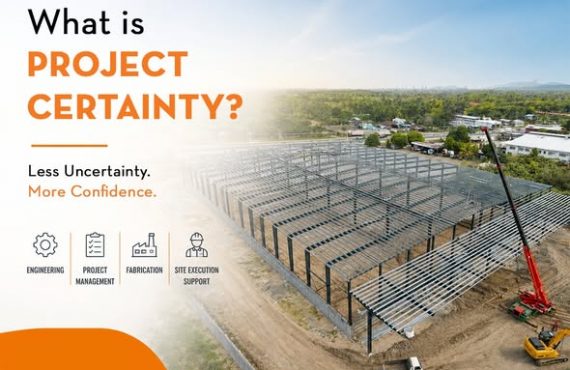
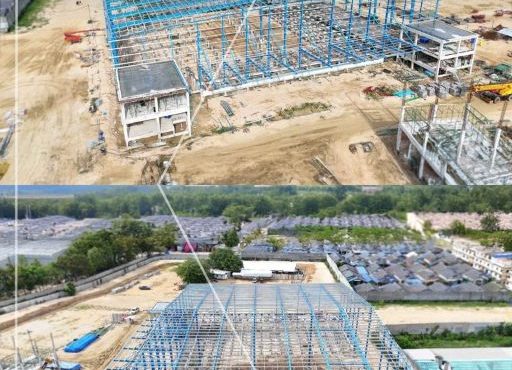
Built-up members are fabricated in a controlled manufacturing environment before being transported to the construction site. With appropriate quality control, fabrication planning and connection detailing, this process supports consistent production and organized on-site assembly. It also helps coordinate the structural components with the overall PEB construction schedule.
Applications in Industrial Buildings
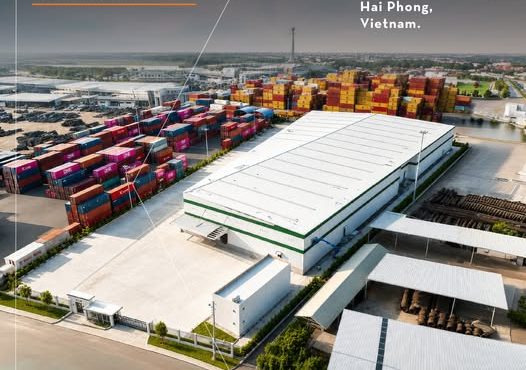
Built-Up Tapered Steel Sections are widely used in Pre-Engineered Buildings where structural efficiency and flexible space planning are important. Typical applications include:
- Warehouses: Support large storage areas and adaptable layouts for racking systems.
- Manufacturing facilities: Provide structural framing solutions for production areas and industrial equipment.
- Logistics hubs: Help create open operational spaces for material handling and distribution.
- Commercial and industrial buildings: Accommodate different architectural layouts and functional requirements.
The appropriate structural system depends on factors such as building dimensions, imposed loads, site conditions, applicable codes and the intended use of the facility.
Engineering and Manufacturing Considerations
The performance of Built-Up Tapered Steel Sections depends on accurate engineering and reliable fabrication. Before production, engineers evaluate the building geometry, loading conditions, member stability, connection requirements and serviceability criteria.
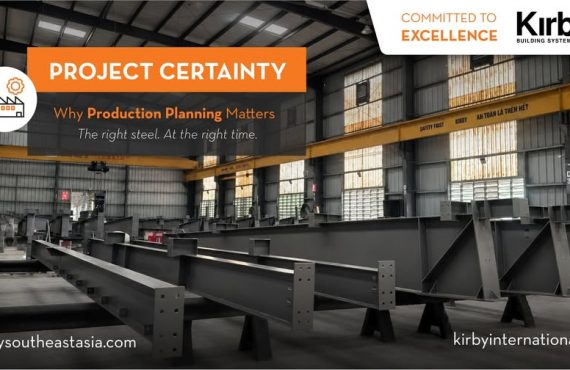
During fabrication, steel plates are cut and assembled according to approved drawings. Welding quality, dimensional accuracy, material specifications and inspection procedures are important to ensure that the finished members meet project requirements.
Coordination between engineering, fabrication and site installation is equally important. Proper planning helps ensure that the fabricated components fit the structural design and can be assembled efficiently at the construction site.
Efficient Steel Building Solutions by Kirby
At Kirby Southeast Asia, built-up tapered steel members are part of the engineering approach behind efficient Pre-Engineered Buildings. By combining structural analysis, customized member design and controlled manufacturing processes, Kirby aims to deliver steel building solutions that balance strength, efficiency and project value.
From warehouses and factories to large-scale logistics facilities, the right structural design can make a meaningful difference to building performance and long-term functionality.
To learn more about Kirby’s Pre-Engineered Steel Building solutions, explore our services or contact our team at sales@kirby.vn.
For further technical information about metal building systems and the use of optimized welded steel frames, visit the Metal Building Manufacturers Association (MBMA) Design Resources.