PEBKnowledge - Kirby South East Asia

PEBKnowledge

/Tag:PEBKnowledge
Steel building lifespan and structural durability

Steel Building Lifespan: 5 Key Factors That Affect Durability

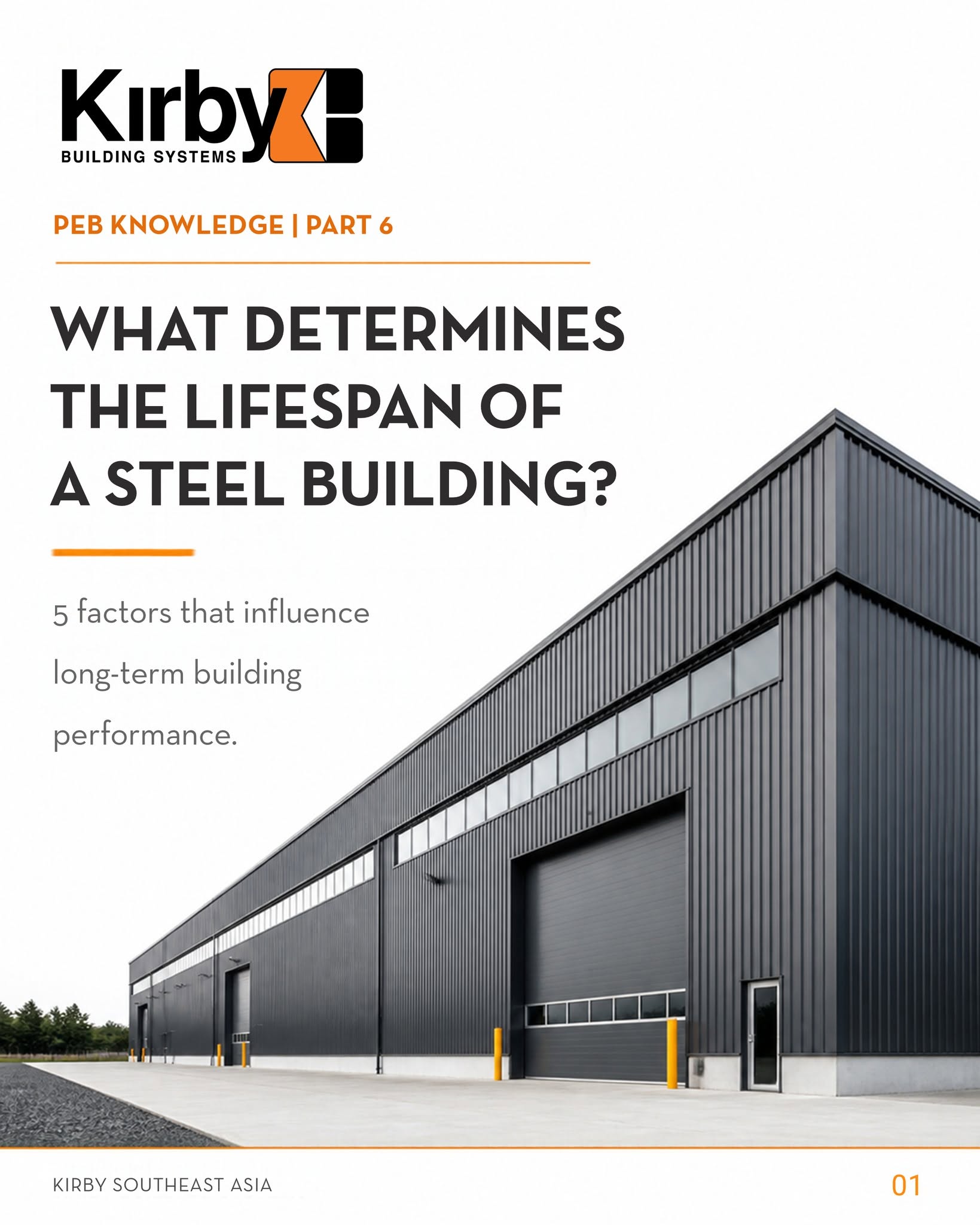
5 Factors That Determine Steel Building Lifespan Steel building lifespan depends on more than the quality of the steel itself. A properly designed and constructed steel building can serve for decades, but its durability depends on several important factors. So, what determines how long a steel building lasts? Structural design, corrosion protection, construction quality, environmental conditions, and regular maintenance all influence the service life of a steel structure. Understanding these factors helps building owners, developers, and project managers make better decisions when planning a
Warehouse Roof Leaks: 7 Causes & How to Prevent Them

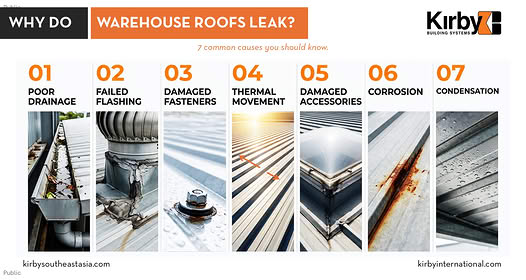
Warehouse Roof Leaks: 7 Common Causes and How to Prevent Them Warehouse roof leaks can cause significant problems for industrial facilities. Water entering through the roof may damage stored goods, affect equipment, interrupt daily operations and increase maintenance costs. Understanding the common causes of roof leakage is the first step towards preventing water damage. With proper design, professional installation and regular maintenance, businesses can protect their warehouse buildings and maintain long-term performance. A well-designed steel roofing system helps protect warehouse operations from water

Z and C purlins in PEB secondary steel framing

PEB Knowledge – Part 4: Z and C Purlins: The Backbone of PEB Secondary Framing

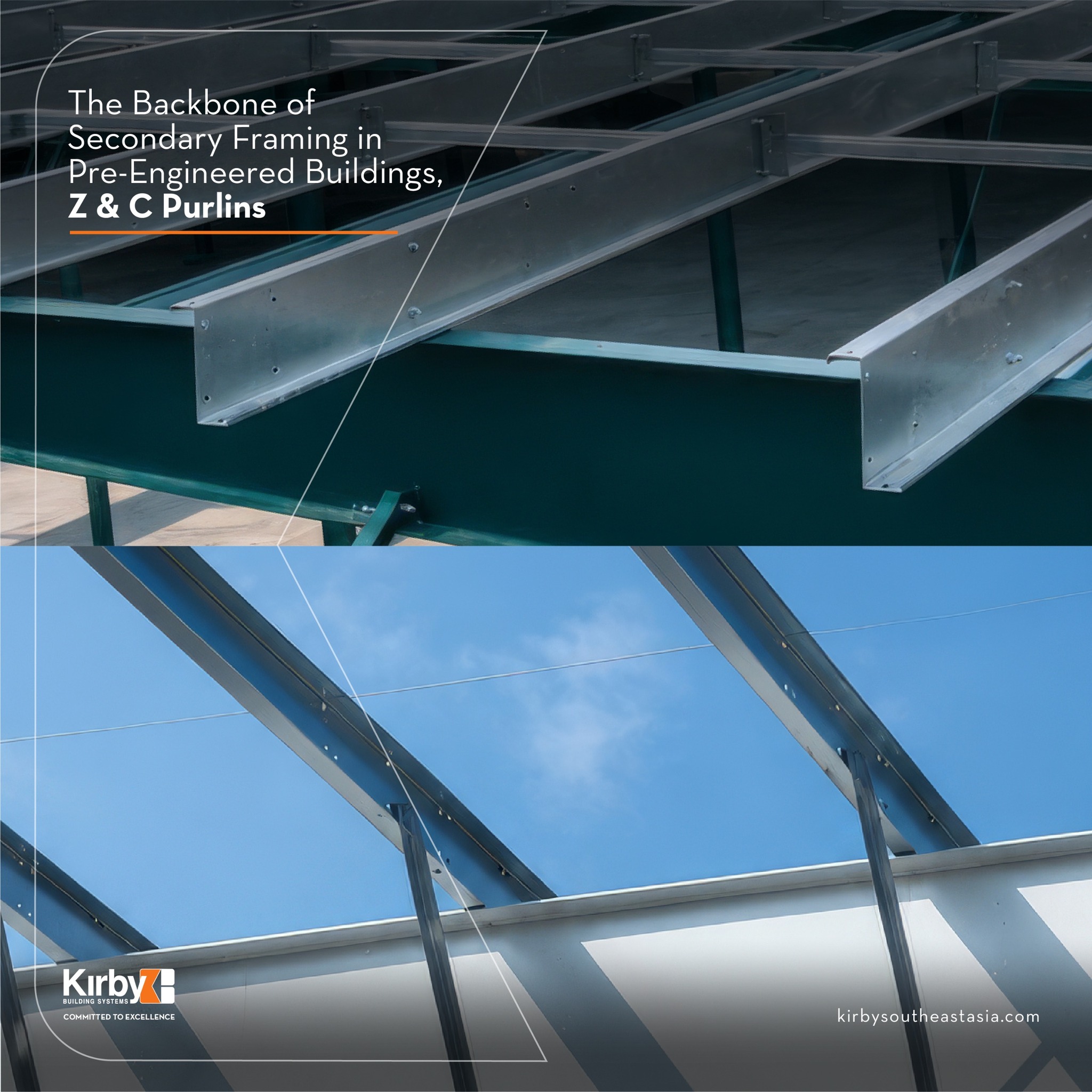
Z and C Purlins: 5 Key Roles in PEB Secondary Framing Z and C purlins are essential secondary framing components in a Pre-Engineered Building (PEB). While the primary steel frame provides the main structural system, purlins support the roof and wall sheeting and transfer loads to the main structure. Although they are less visually prominent than primary frames, these cold-formed steel members contribute to structural performance, efficient material use, and practical installation. Understanding their functions, differences, and design considerations helps explain how secondary

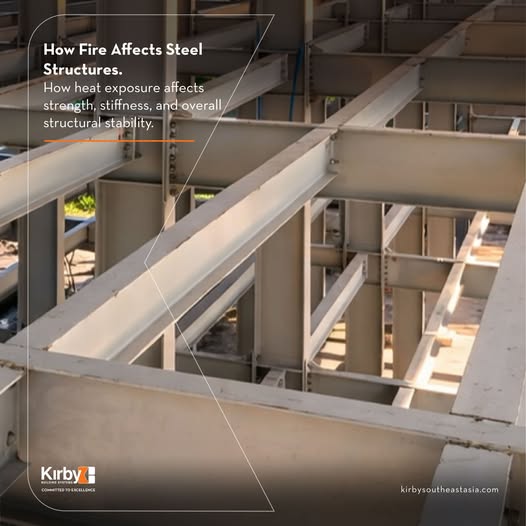
Fire Effects on Steel Structures: 5 Key Facts

Steel and Fire: How Fire Affects Steel Structures Steel does not burn, but high temperatures can significantly affect its structural performance. When exposed to fire, steel gradually loses strength and stiffness, which may compromise the stability and safety of a building. Understanding the fire effects on steel structures is essential for engineers, architects and building owners. Appropriate fire protection measures help maintain structural integrity and support safer industrial and commercial buildings. In this article, we explore five important aspects of how fire affects

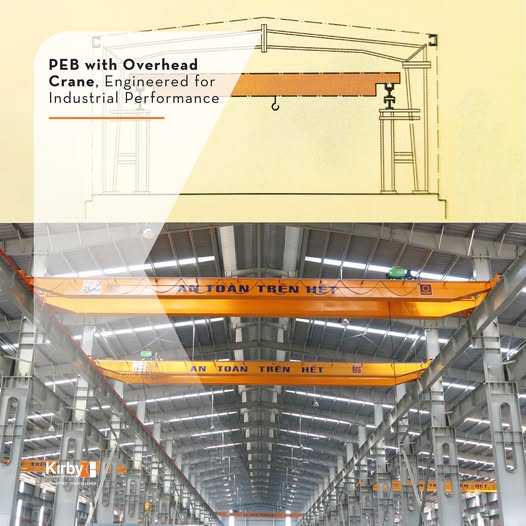
𝐏𝐄𝐁 𝐊𝐧𝐨𝐰𝐥𝐞𝐝𝐠𝐞 – 𝐏𝐚𝐫𝐭 𝟑: 𝐏𝐄𝐁 𝐰𝐢𝐭𝐡 𝐎𝐯𝐞𝐫𝐡𝐞𝐚𝐝 𝐂𝐫𝐚𝐧𝐞 – 𝐄𝐧𝐠𝐢𝐧𝐞𝐞𝐫𝐞𝐝 𝐟𝐨𝐫 𝐈𝐧𝐝𝐮𝐬𝐭𝐫𝐢𝐚𝐥 𝐏𝐞𝐫𝐟𝐨𝐫𝐦𝐚𝐧𝐜𝐞

PEB with Overhead Cranes: 5 Key Design Considerations Rigid frame Pre-Engineered Buildings (PEB) can be engineered to support overhead crane systems for demanding industrial operations. Depending on project requirements, these structures can accommodate EOT crane systems with capacities of up to 15 MT and spans of up to 21 m. However, designing PEB with overhead cranes requires careful consideration of additional forces generated during crane operations. Proper engineering helps maintain structural safety, durability and operational reliability. At Kirby Southeast Asia, we understand the

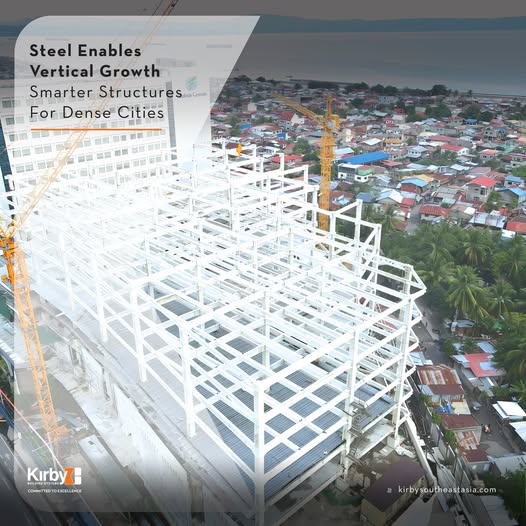
𝐒𝐭𝐞𝐞𝐥 𝐰𝐢𝐭𝐡 𝐆𝐫𝐞𝐞𝐧 – 𝐏𝐚𝐫𝐭 𝟓: 𝐒𝐭𝐞𝐞𝐥 𝐄𝐧𝐚𝐛𝐥𝐞𝐬 𝐕𝐞𝐫𝐭𝐢𝐜𝐚𝐥 𝐔𝐫𝐛𝐚𝐧 𝐆𝐫𝐨𝐰𝐭𝐡

Steel Buildings for Urban Development: 5 Key Advantages In modern cities, limited land availability and increasing construction demands make structural efficiency more important than ever. Developers need building systems that maximize usable space while maintaining structural performance and construction efficiency. Steel Buildings for Urban Development offer an effective approach to these challenges. With a high strength-to-weight ratio, steel allows engineers to design efficient structural systems with slimmer columns, flexible layouts, and reduced overall structural weight. For multi-storey industrial and urban buildings, steel construction

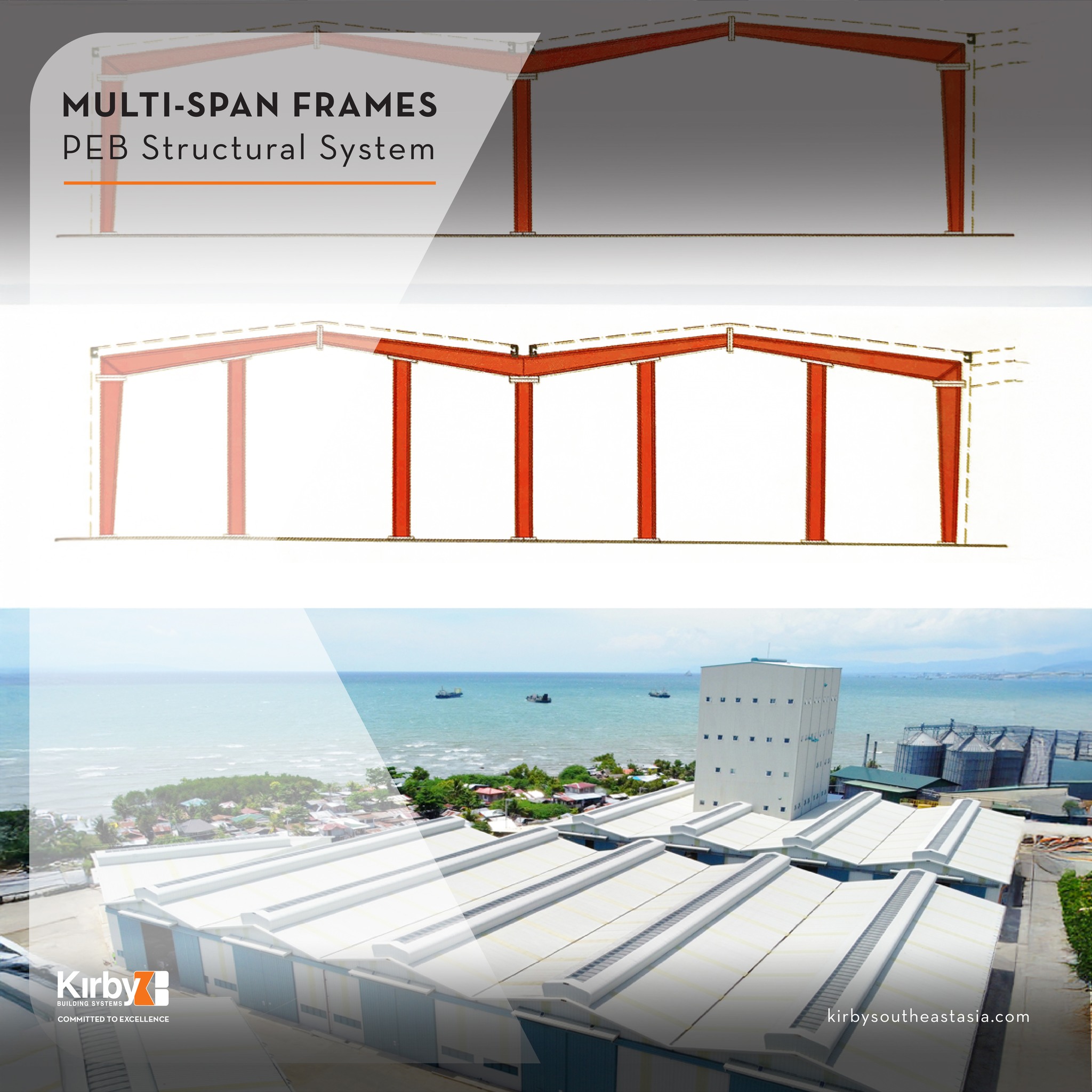
𝐏𝐄𝐁 𝐊𝐧𝐨𝐰𝐥𝐞𝐝𝐠𝐞 – 𝐏𝐚𝐫𝐭 𝟐: 𝐌𝐮𝐥𝐭𝐢-𝐒𝐩𝐚𝐧 𝐅𝐫𝐚𝐦𝐞𝐬

Multi-Span PEB Frames: 5 Key Structural Design Features Multi-Span PEB Frames are commonly used in large industrial and logistics buildings where wide, uninterrupted floor space is required. These structural systems provide an efficient solution for facilities that need large roof areas, flexible layouts, and optimized interior space. In pre-engineered building (PEB) design, multi-span configurations use multiple structural bays supported by interior columns. This arrangement helps engineers develop wide buildings while maintaining an efficient structural system. Depending on project requirements, up to six spans

PEB Knowledge – Part 1: Tapered Steel for Smarter Spans Building Stronger & More Efficiently

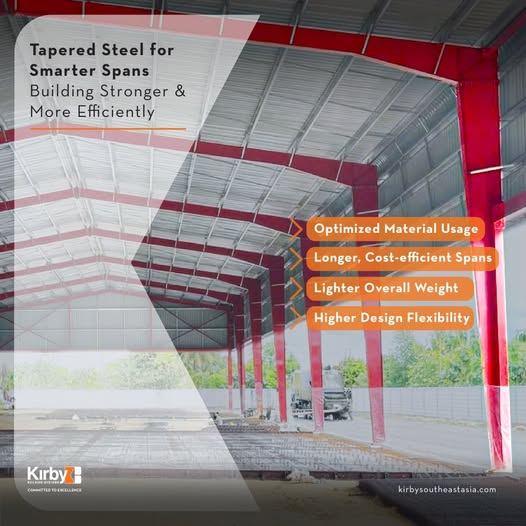
Built-Up Tapered Steel Sections: 5 Key Benefits in PEB Design At Kirby Southeast Asia, one of the key advantages of Pre-Engineered Buildings (PEB) lies in the use of Built-Up Tapered Steel Sections. These engineered members provide a smarter and more efficient alternative to conventional hot-rolled steel sections, helping create structures that balance strength, material efficiency and design flexibility. Unlike standard steel sections with a constant depth, built-up tapered members are designed with varying depths along their length. This allows engineers to position