


What Is Project Certainty in Steel Construction? 5 Ways to Build Confidence
Project certainty in steel construction is the confidence that a construction project will move forward as planned — from engineering and fabrication to quality control, delivery, and final execution.
Every steel construction project comes with expectations. Customers need confidence that designs are coordinated, materials meet specifications, schedules are managed, and steel components arrive when and where they are needed.
However, construction projects can face challenges such as design changes, coordination gaps, material delays, production issues, and logistics constraints.
At Kirby Southeast Asia, we believe these challenges can be managed through careful planning, effective coordination, consistent quality, and clear communication. Confidence should be built into every stage of a project — not added at the end.
Table of Contents
- Why Project Certainty Matters
- 5 Ways to Build Project Certainty
- From Factory to Construction Site
- More Than Steel Building Solutions
- Building Confidence Through Every Project
- Certainty Starts Here
Why Project Certainty in Steel Construction Matters
A steel building is more than a collection of fabricated components. It is part of a larger business investment. A factory, warehouse, distribution centre, or industrial facility needs to support the customer’s operations, timeline, and long-term objectives.
When one stage is delayed or poorly coordinated, it can affect everything that follows. Engineering decisions influence fabrication, production schedules affect delivery, and delivery timing can determine the progress of on-site erection.
This is why project certainty matters. It connects different stages of the project and gives teams better visibility into what needs to happen, when it needs to happen, and how each activity supports the next.
5 Ways to Build Project Certainty
1. Start with Clear Engineering
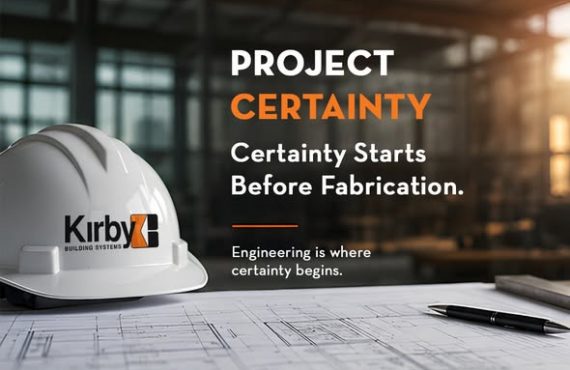
Confidence begins before fabrication. A well-coordinated engineering process establishes the technical foundation for the project.
Design requirements, specifications, structural details, connections, and fabrication information need to be clearly understood before production begins. Identifying potential issues early can help reduce changes and disruptions later.
For customers, clear engineering provides greater confidence that the project is moving in the right direction from the start.

2. Connect Planning with Production
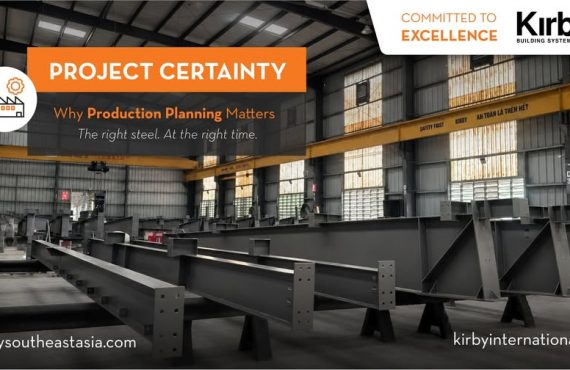
Good planning turns project requirements into coordinated actions. Production schedules, material requirements, fabrication sequences, quality inspections, and delivery plans need to work together.
This is particularly important for large steel construction projects, where hundreds or thousands of individual components may need to be manufactured and delivered in a defined sequence.
Connecting planning with production gives project teams better visibility and helps keep activities aligned. Learn more about steel production planning and its role in supporting project delivery.

3. Build Quality into Every Stage
Quality should not be treated as a final inspection. It should be part of the process, from material preparation and fabrication through inspection, finishing, and delivery.
Consistent quality control helps ensure that steel components meet the required specifications before leaving the manufacturing facility. This can reduce avoidable rework and support smoother activities at the construction site.
For customers, quality creates another layer of confidence in the overall delivery process. Industry resources such as the American Institute of Steel Construction (AISC) standards provide further information on structural steel requirements and industry practices.

4. Coordinate Delivery with the Site
Fabrication is only one part of a steel project. Once components are manufactured, they need to be prepared, transported, and delivered according to project requirements.
Delivery schedules should therefore be coordinated with site activities and erection requirements. When production and logistics are connected, project teams have greater visibility over material availability and can plan construction activities more effectively.
This connection between the factory and the construction site helps keep the project moving according to plan.
5. Communicate and Coordinate
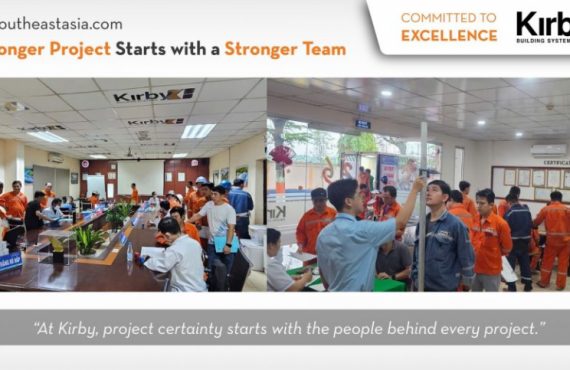
Even the best plans need people to keep them moving. Engineering teams, production teams, quality professionals, logistics teams, project managers, contractors, and customers all contribute to successful project delivery.
Clear communication helps ensure that information reaches the right people at the right time. When teams share an understanding of project requirements, potential issues can be identified earlier and decisions can be made more effectively.
Ultimately, confidence is created through coordination between people as much as through processes and technology.
From Factory to Construction Site
For a steel building project to succeed, every stage needs to connect.
- Engineering provides the technical direction.
- Production turns designs into physical components.
- Quality control verifies that components meet requirements.
- Logistics connects the factory with the construction site.
- Erection brings the building together.
Each stage has its own role, but none operates in isolation. An integrated approach turns individual activities into a coordinated project delivery process.
At Kirby Southeast Asia, we focus on creating this connection throughout the project journey, from initial engineering discussions to manufacturing and delivery.
More Than Steel Building Solutions
Customers do not simply need steel. They need a solution that supports their business objectives.
A manufacturing facility needs to be ready for production. A warehouse needs to support storage and logistics. An industrial building needs to meet operational requirements while providing the reliability expected from a long-term investment.
This is why our approach goes beyond supplying pre-engineered steel building solutions.
We focus on engineering expertise, manufacturing capabilities, quality management, project coordination, and reliable delivery — all working together toward one objective: greater confidence for our customers.
Building Confidence Through Every Project
Project Certainty represents how Kirby Southeast Asia approaches its work. It means preparing before production starts, coordinating engineering and fabrication, maintaining quality throughout manufacturing, and connecting production with logistics and site requirements.
Most importantly, it means understanding that every project represents an investment of time, resources, and trust. Our role is to help customers move that investment forward with greater confidence.
Certainty Starts Here
Construction will always involve challenges. The goal is not to eliminate every uncertainty, but to anticipate, coordinate, and manage the factors that can affect project outcomes.
From the first engineering discussion to fabrication, quality control, delivery, and construction, every stage matters. When the right people, processes, and expertise work together, customers can focus less on uncertainty and more on what comes next.
Kirby Southeast Asia — Project Certainty, built into every stage.