

Cleaner Steel Construction: 5 Environmental Benefits of Steel Buildings
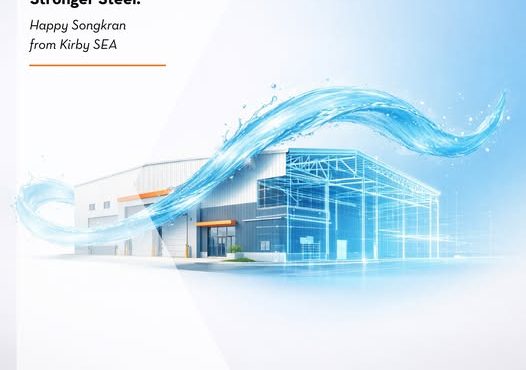
Cleaner Steel Construction is becoming an important consideration for industrial projects seeking more sustainable building solutions.
Through pre-engineered steel buildings (PEB), construction projects can reduce certain water-intensive activities, minimize on-site dust, and improve material management.
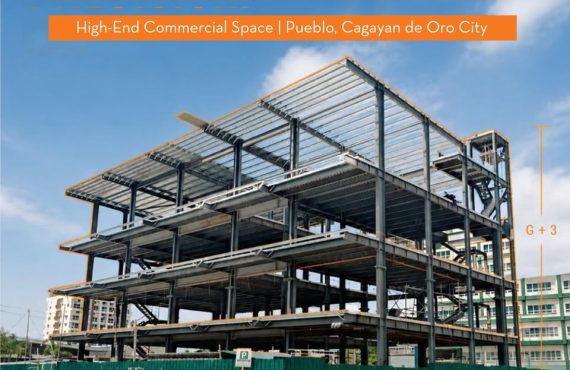
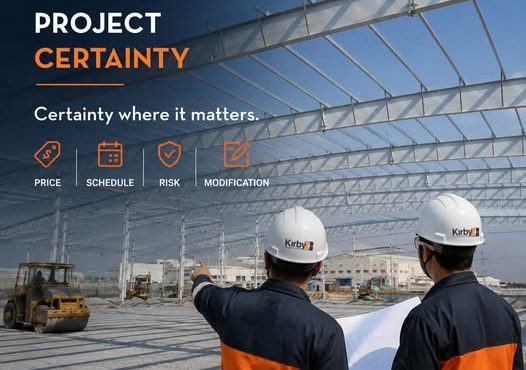
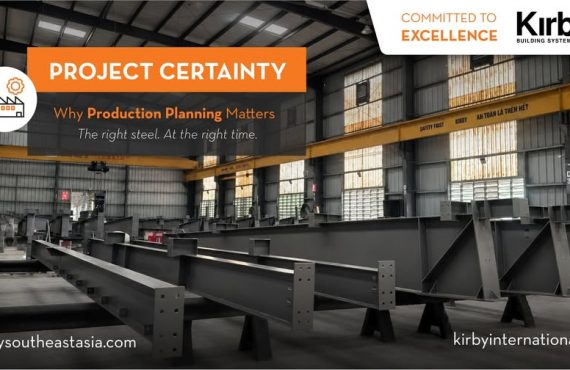
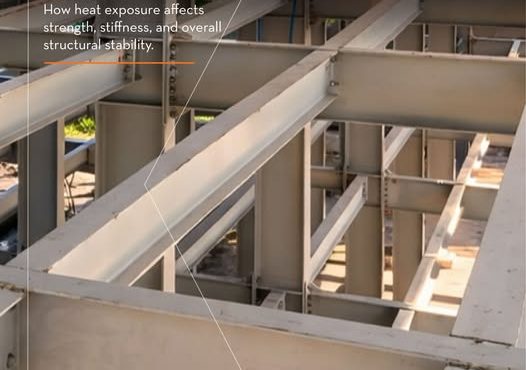
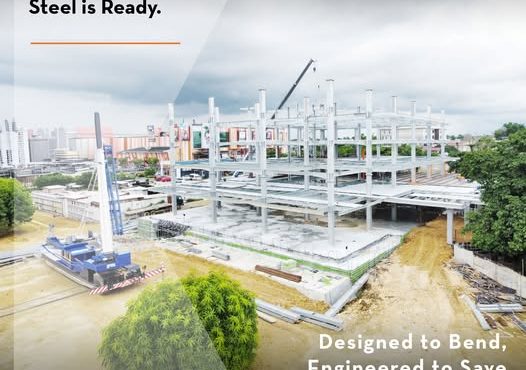
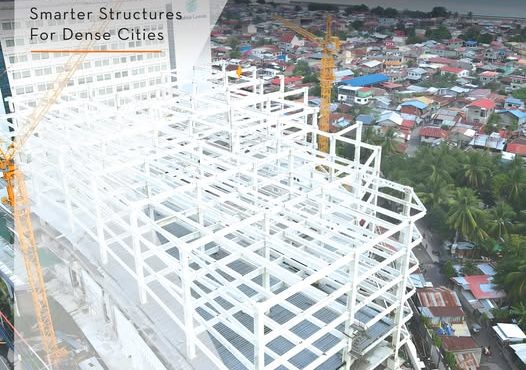
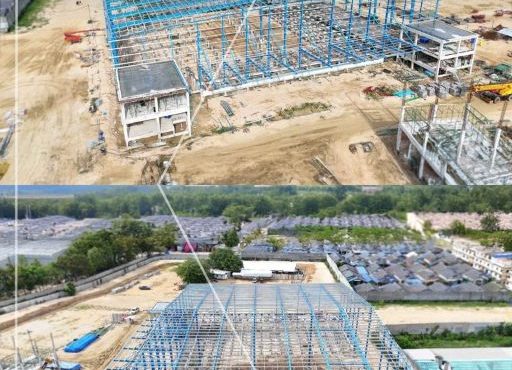
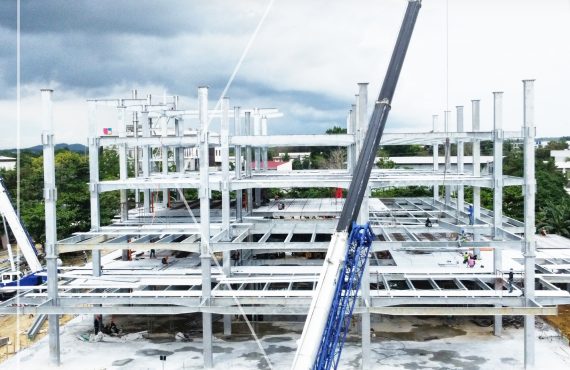
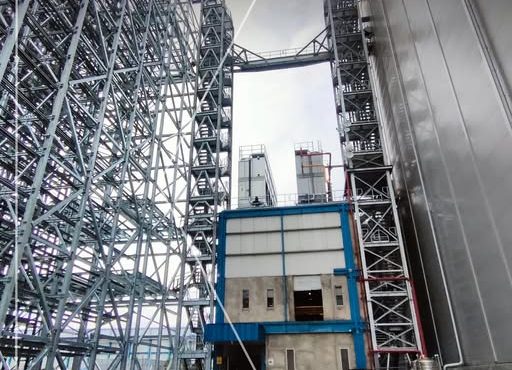
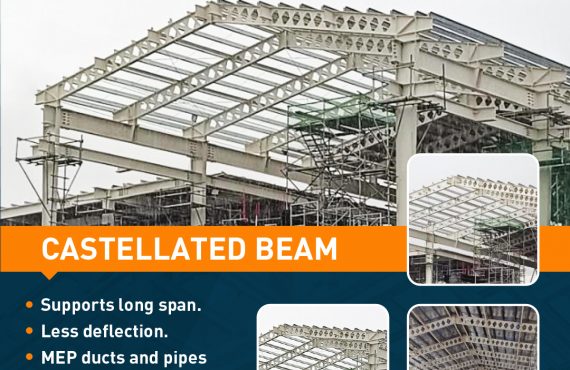
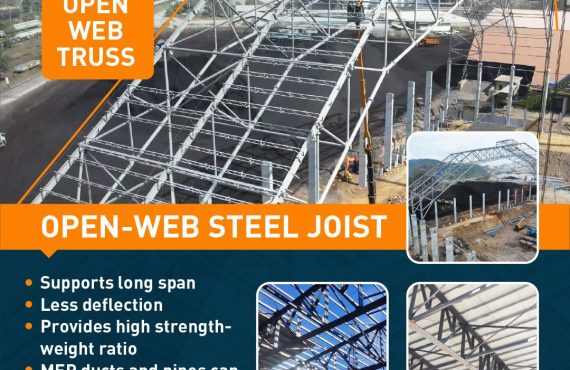
Unlike conventional construction methods that involve extensive on-site structural work, steel building components are fabricated in controlled factory environments before being transported to the site for assembly.
This approach helps reduce on-site processing, improve construction coordination, and create cleaner, more organized working environments.
At Kirby Southeast Asia, we believe Cleaner Steel Construction is about making responsible choices throughout the entire building process, from engineering and fabrication to transportation and installation.
Table of Contents
- What Is Cleaner Steel Construction?
- How Pre-Engineered Steel Buildings Reduce Water Use
- How Steel Construction Helps Minimize Dust
- 5 Environmental Benefits of Steel Buildings
- Why Off-Site Fabrication Matters
- Kirby Southeast Asia: Building a Cleaner Future
- Frequently Asked Questions
- Conclusion
1. What Is Cleaner Steel Construction?
Cleaner Steel Construction focuses on reducing the environmental impact of construction activities through efficient materials, controlled fabrication, and organized installation processes.
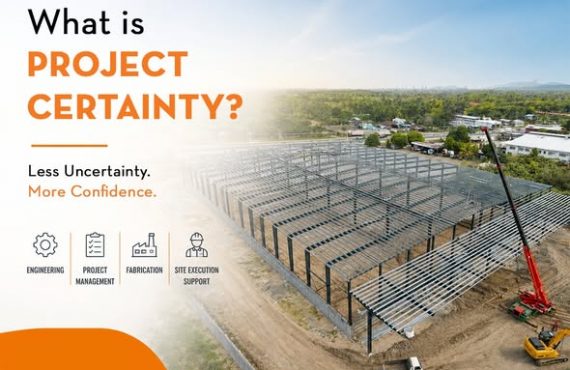
Pre-engineered steel buildings support this approach by moving much of the structural fabrication away from the construction site.
Steel components are manufactured according to engineering specifications before being transported for assembly.
This reduces the need for extensive on-site cutting, shaping, and material processing.
As a result, projects can benefit from better site organization, reduced material waste, and improved construction efficiency.
For industrial developers, Cleaner Steel Construction provides an opportunity to consider environmental performance from the earliest stages of project planning.
2. How Pre-Engineered Steel Buildings Reduce Water Use
Water is commonly used in traditional construction for concrete mixing, curing, plastering, and site cleaning.
Pre-engineered steel structures use factory-fabricated components that are assembled on-site. This reduces the need for certain water-intensive activities during structural installation.
This relatively dry assembly process can help lower direct water demand during the structural construction stage.
However, concrete foundations, flooring, and other supporting works may still require water.
Actual water savings depend on project design, construction methods, and site conditions.
By reducing some water-intensive structural activities, Cleaner Steel Construction can support more responsible resource management throughout construction.
3. How Steel Construction Helps Minimize Dust
Dust from excavation, cutting, material handling, and other construction activities can affect surrounding communities and working conditions.
Cleaner Steel Construction helps address some of these challenges through off-site fabrication and more controlled installation processes.
Since major steel components are prepared in factories, less structural cutting and fabrication may be required at the project site.
This can help reduce certain sources of construction dust and improve site cleanliness.
A more organized construction site also supports better working conditions for contractors and employees.
Although excavation and foundation activities can still generate dust, careful planning and factory fabrication can help reduce unnecessary on-site processing.
4. 5 Environmental Benefits of Steel Buildings
Pre-engineered steel buildings offer several advantages that support cleaner and more efficient construction practices.
1. Reduced Water Demand
Dry steel assembly reduces the need for certain water-intensive activities during structural installation.
This can help projects manage water resources more efficiently, particularly during the main structural construction stage.
2. Less On-Site Dust
Factory fabrication minimizes some cutting, shaping, and processing activities at the construction site.
Fewer on-site fabrication operations can help reduce certain sources of construction dust.
3. Cleaner Construction Environments
Organized component delivery and installation help reduce unnecessary on-site material handling.
With fewer fabrication activities taking place on-site, contractors can maintain a more organized construction area.
4. Improved Worker Conditions
A cleaner and more organized construction site can contribute to better working conditions.
Reducing unnecessary material handling and on-site processing can also support more efficient construction operations.
5. More Efficient Material Management
Precision fabrication allows steel components to be manufactured according to engineering specifications.
This supports accurate material quantities and can help reduce unnecessary offcuts and construction waste.
Together, these five advantages make Cleaner Steel Construction an attractive approach for industrial projects seeking more responsible building practices.
5. Why Off-Site Fabrication Matters
Off-site fabrication is one of the key advantages of pre-engineered steel buildings.
Structural components are manufactured in controlled factory environments before arriving at the construction site.
This approach offers several practical benefits:
- Better quality control: Factory production supports consistent fabrication standards and dimensional accuracy.
- Less on-site processing: More components arrive prepared for installation, reducing the need for additional cutting and shaping.
- Efficient project coordination: Components can be planned and delivered according to construction and installation schedules.
- Reduced site disruption: Fewer fabrication activities can help maintain a cleaner and more organized construction environment.
The European Commission identifies environmental benefits of off-site construction, including opportunities for construction waste reduction and improved working conditions.
Read more about off-site construction and its environmental benefits.
By moving suitable fabrication activities into controlled production facilities, Cleaner Steel Construction can support better coordination between manufacturing and on-site installation.
6. Kirby Southeast Asia: Building a Cleaner Future
At Kirby Southeast Asia, we believe sustainability should be considered at every stage of the construction process.
Our pre-engineered steel building solutions are designed to support efficient engineering, precision fabrication, transportation, and on-site assembly.
By applying controlled manufacturing processes and carefully planned installation methods, we aim to help customers achieve cleaner and more organized construction projects.
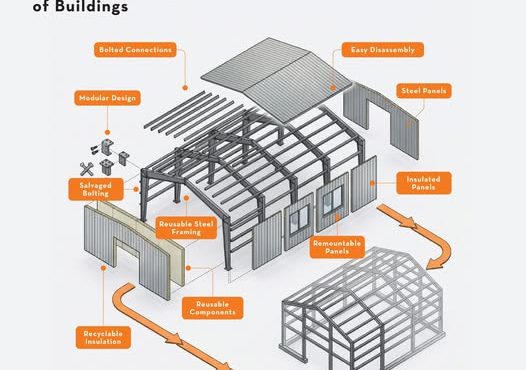
Steel also offers long-term resource advantages through its potential for reuse and recycling.
According to the World Steel Association, steel can be recovered and recycled repeatedly while maintaining its inherent properties.
Explore the steel circular economy and recycling principles to learn more.
These resource advantages make steel an important material to consider when developing more circular construction strategies.
At Kirby Southeast Asia, we continue to support industrial development through steel building solutions that balance functionality, construction efficiency, and responsible resource management.
Explore our Pre-Engineered Steel Building solutions to learn more about our approach to modern industrial construction.
You can also discover how Reusable Steel Buildings support sustainable construction through adaptable design and material reuse.
Building smarter also means building cleaner.
Contact our team at sales@kirby.vn to discuss your next project.
7. Frequently Asked Questions
How does steel construction reduce water use?
Steel structures are fabricated off-site and assembled using relatively dry installation methods. This reduces the need for certain water-intensive activities during structural construction.
Why do pre-engineered steel buildings generate less dust?
Factory fabrication reduces the amount of cutting, shaping, and processing required at the construction site, helping minimize some sources of construction dust.
Are steel buildings more sustainable than concrete buildings?
Steel buildings can offer advantages in construction efficiency, material recovery, and reduced on-site activities. However, overall sustainability depends on material production, transportation, foundations, building operation, and end-of-life management.
What is off-site fabrication?
Off-site fabrication is the process of manufacturing structural components in a factory before transporting them to the construction site for installation. It supports better production control and can reduce unnecessary on-site processing.
How does steel contribute to sustainable construction?
Steel supports sustainable construction through durability, potential component reuse, and recyclability. Its overall environmental impact also depends on production methods, transportation, building design, and end-of-life management.
8. Conclusion
Cleaner Steel Construction is an important part of building a more sustainable industrial future.
Through off-site fabrication, precision engineering, and efficient assembly, pre-engineered steel buildings can help reduce water-intensive activities, minimize on-site dust, and improve construction site conditions.
At Kirby Southeast Asia, we believe every project is an opportunity to build responsibly.
Less Water. Less Dust. Better Building. Build with Kirby.