

Energy-Efficient Steel Buildings: The Power of Steel and Insulated Panels
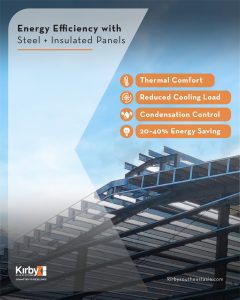
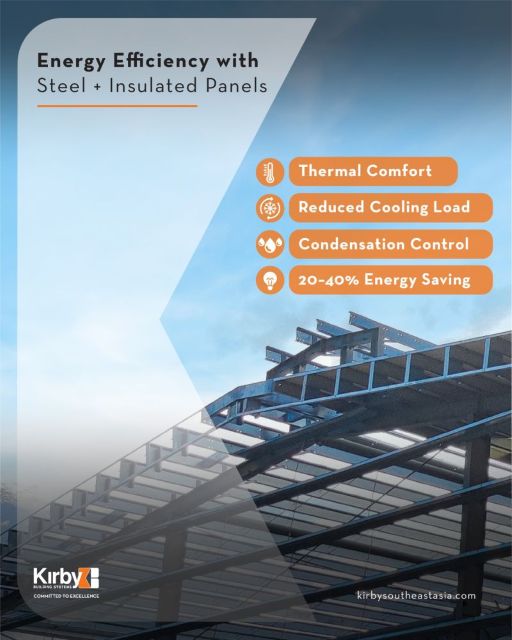
Energy-Efficient Steel Buildings help industrial facilities reduce energy consumption, improve indoor comfort, and support sustainable construction.
One important factor is the building envelope, which controls heat transfer between indoor and outdoor environments.
Combining pre-engineered steel buildings (PEB) with insulated panels can improve thermal performance and reduce the demand for heating, ventilation, and air conditioning (HVAC) systems.
At Kirby Southeast Asia, we focus on integrating structural design with suitable insulation solutions to support efficient industrial buildings.
Table of Contents
- Understanding Energy-Efficient Steel Buildings
- How Insulated Panels Improve Thermal Performance
- Why Steel Structures Make a Difference
- 5 Key Benefits of Energy-Efficient Buildings
- Factors Affecting Energy Efficiency
- Kirby Southeast Asia and Sustainable Construction
- Frequently Asked Questions
1. Understanding Energy-Efficient Steel Buildings {#understanding-energy-efficient-steel-buildings}
Energy-Efficient Steel Buildings are designed to minimize heat transfer through roofs, walls, and other building envelope components.
This is particularly important for factories, warehouses, and logistics centers where indoor temperatures affect operating costs and working conditions.
A well-designed building envelope combines thermal insulation, air sealing, reflective surfaces, and appropriate building orientation.
Together, these elements help maintain stable indoor temperatures and improve overall energy performance.
2. How Insulated Panels Improve Thermal Performance {#insulated-sandwich-panels}
Insulated sandwich panels are an effective solution for improving the thermal performance of industrial buildings.
They typically consist of two steel sheets bonded to an insulating core.
Common insulation materials include:
- PU (Polyurethane): Provides effective thermal insulation with relatively low thickness.
- PIR (Polyisocyanurate): Offers thermal insulation and specific fire-performance characteristics depending on the panel system.
- Rock wool: Provides thermal and acoustic insulation with non-combustible properties.
These panels help reduce heat transfer through roofs and walls.
Their performance depends on insulation thickness, material properties, installation quality, and joint detailing.
3. Why Steel Structures Make a Difference {#steel-structures}
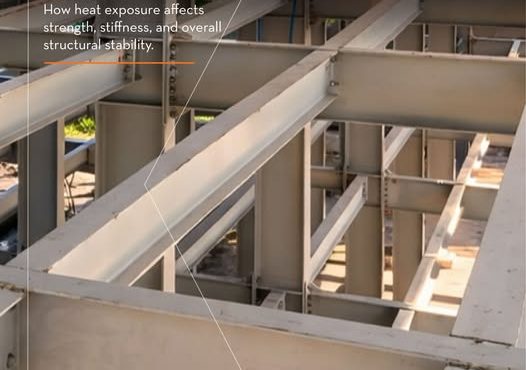
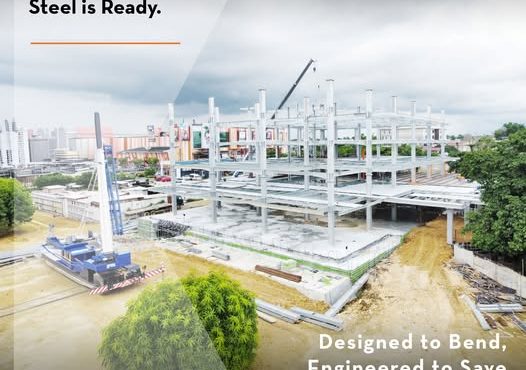
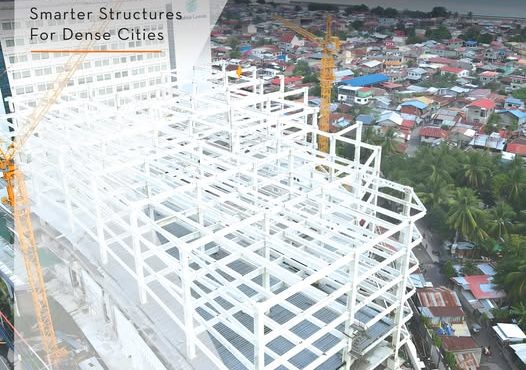
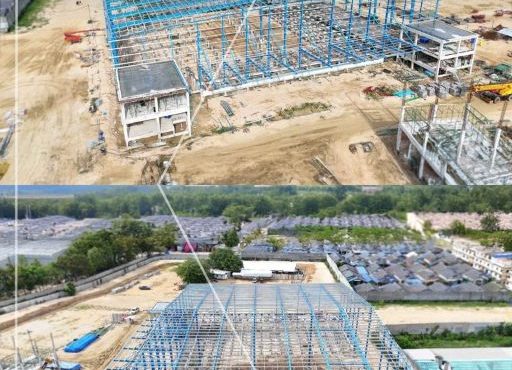
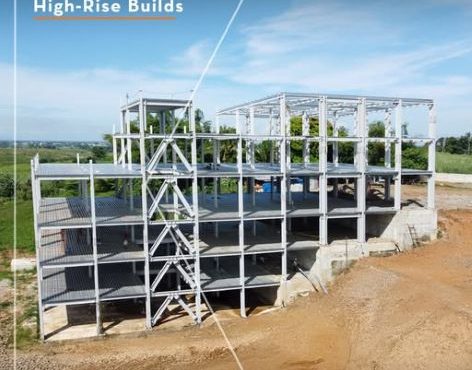
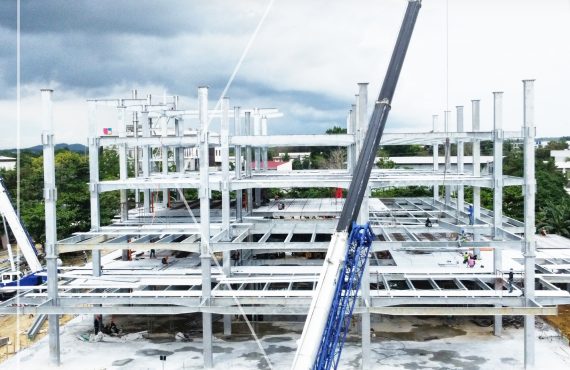
Pre-engineered steel buildings provide a precise structural framework for installing insulated roof and wall panels.
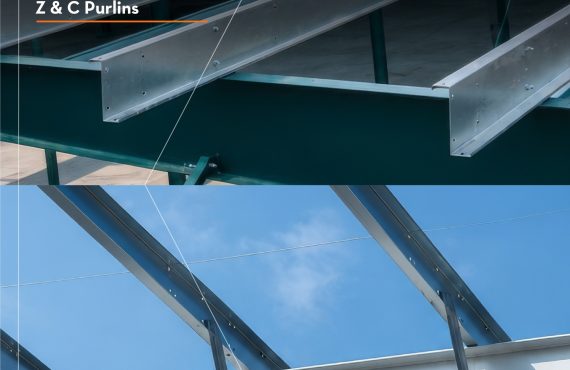
Proper alignment of purlins, girts, and connections supports accurate panel installation.
This helps improve the continuity of the building envelope and reduce unwanted air leakage.
However, steel is highly conductive. Appropriate thermal breaks and connection detailing are important to minimize thermal bridging.
Steel structures also offer design flexibility, allowing different insulation systems and cladding solutions to meet project requirements.
4. 5 Key Benefits of Energy-Efficient Buildings {#key-benefits}
Energy-Efficient Steel Buildings offer several advantages for industrial operations.
1. Lower energy consumption
Effective insulation reduces unwanted heat transfer, helping HVAC systems operate more efficiently.
2. Improved indoor comfort
More stable indoor temperatures create better working conditions for employees.
3. Better product protection
Insulated building envelopes help reduce temperature fluctuations, supporting more consistent storage conditions.
4. Reduced environmental impact
Lower operational energy demand can contribute to reduced greenhouse gas emissions.
5. Long-term building performance
Properly selected and maintained insulation and structural components support dependable building performance throughout the service life.
5. Factors Affecting Energy Efficiency {#energy-efficiency-factors}
The performance of Energy-Efficient Steel Buildings depends on several important factors:
- Insulation thickness: Influences the thermal resistance of roof and wall systems.
- Roof color: Reflective surfaces can help reduce solar heat absorption.
- Building orientation: Affects sunlight exposure and heat gain.
- Air leakage control: Proper sealing minimizes unwanted air movement.
- Ventilation and HVAC: Well-coordinated systems improve indoor environmental performance.
Local climate, building usage, and equipment heat loads should also be considered during the design process.
Learn more about building envelope performance through the U.S. Department of Energy.
6. Kirby Southeast Asia and Sustainable Construction {#kirby-sustainable-future}
At Kirby Southeast Asia, we understand the importance of combining structural performance with energy efficiency.
Our pre-engineered steel building solutions accommodate different roof and wall cladding systems, insulation materials, and ventilation requirements.
By integrating steel structures with suitable insulated panel solutions, we help customers develop industrial buildings that balance functionality, thermal performance, and design flexibility.
Explore our Pre-Engineered Steel Building solutions to discover how engineered steel systems can support your next construction project.
Our goal is to help customers achieve higher thermal efficiency and long-term sustainability without compromising functionality or design flexibility.
7. Frequently Asked Questions {#faqs}
What makes a steel building energy-efficient?
Effective insulation, air sealing, suitable building orientation, and efficient HVAC systems help reduce heat transfer and energy consumption.
What are insulated sandwich panels?
They are building components consisting of two steel sheets and an insulating core, commonly used for industrial roofs and walls.
Which insulation material is suitable for steel buildings?
PU, PIR, and rock wool are common options. Selection depends on thermal performance, fire safety, and project requirements.
Can pre-engineered steel buildings reduce energy consumption?
Yes. When combined with suitable insulation and proper building design, they can help reduce operational energy demand.
Conclusion
Energy efficiency is an important consideration in modern industrial construction.
Combining pre-engineered steel structures with insulated panels helps improve thermal performance, indoor comfort, and long-term sustainability.
At Kirby Southeast Asia, we continue to provide steel building solutions that support smarter and more efficient industrial construction.
Build smarter. Build efficiently. Build with Kirby.