

Faster Steel Construction: 5 Ways to Speed Up High-Rise Projects
Faster steel construction is becoming an important advantage in modern high-rise development. In high-rise construction, every floor counts, and every day saved matters. Developers need solutions that support efficient construction schedules while maintaining quality, safety, and structural performance.
That is why steel structures are increasingly considered for projects where construction speed, technical precision, and architectural impact are important. Through off-site fabrication and on-site assembly, steel construction offers a coordinated approach that can help projects progress more efficiently.
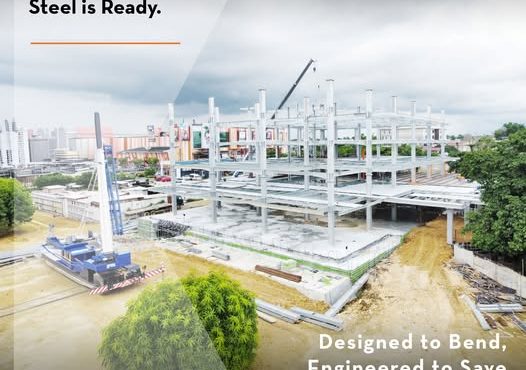
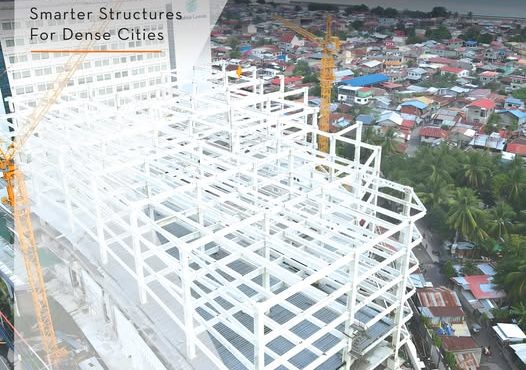
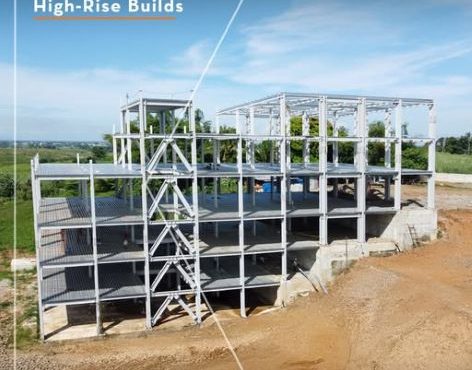
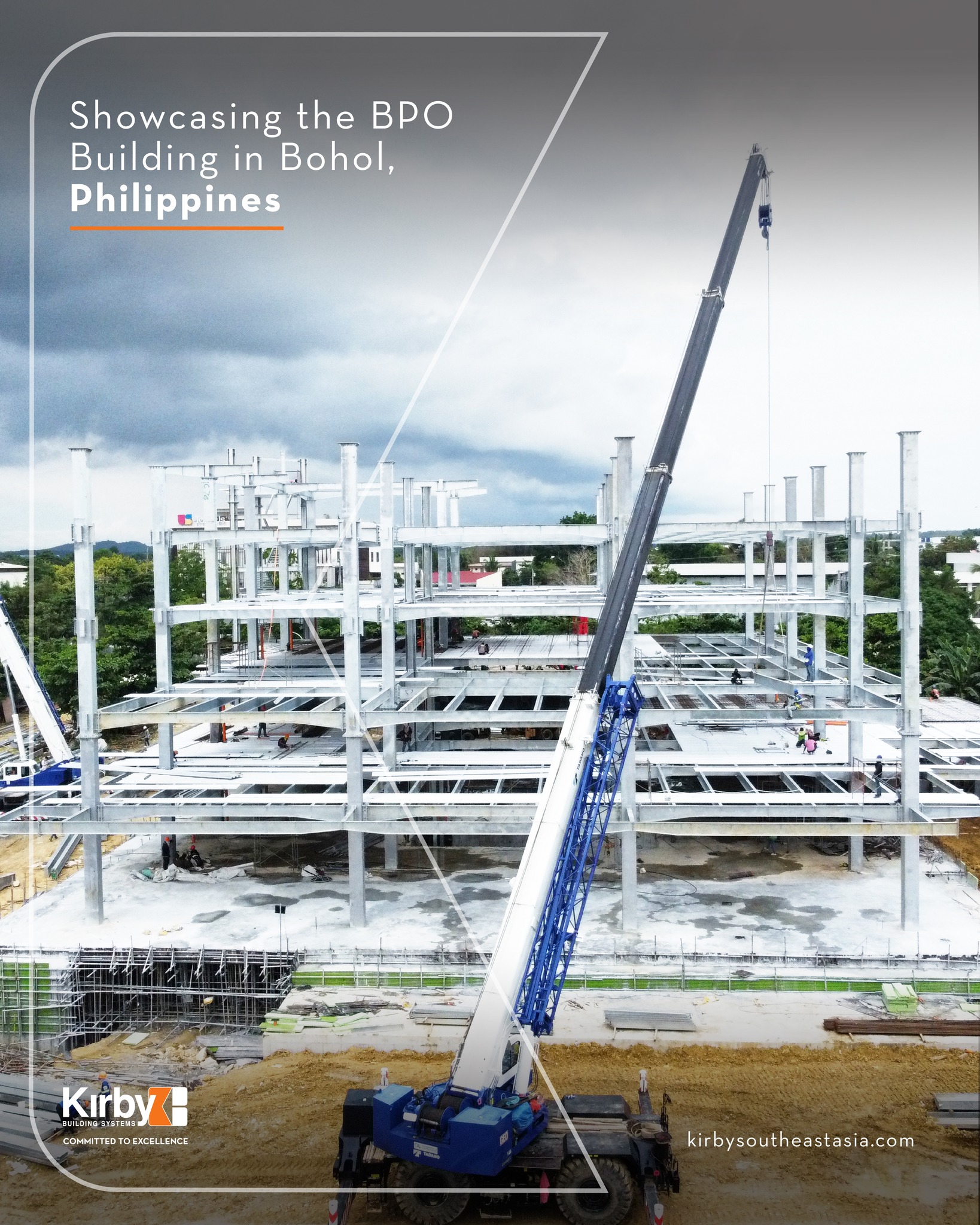
At Kirby Southeast Asia (Kirby SEA), we supply engineered steel structure solutions that help contractors work toward their floor targets and project milestones. Our ongoing BPO Building project in Bohol, Philippines, demonstrates our involvement in high-rise construction across Southeast Asia.
By integrating engineering, fabrication, and coordinated steel supply, faster steel construction helps project teams manage demanding schedules while maintaining the required structural quality and performance.
Table of Contents
- Why Does Steel Support Faster Construction?
- Faster Steel Construction: 5 Ways to Accelerate High-Rise Projects
- 1. Off-Site Fabrication Saves Time
- 2. Bolted Assembly Supports Efficient Installation
- 3. Faster Vertical Progression
- 4. Better Site Organization and Less Labor Congestion
- 5. More Predictable Project Coordination
- How Much Time Can Steel Construction Save?
- Kirby SEA: Supporting High-Rise Construction in Southeast Asia
- Building Faster, Building Smarter
- Frequently Asked Questions

Why Does Steel Support Faster Construction?
Traditional construction methods often involve several activities that must be completed sequentially. For example, concrete construction requires formwork, reinforcement, concrete pouring, and sufficient curing time before certain follow-on activities can proceed.
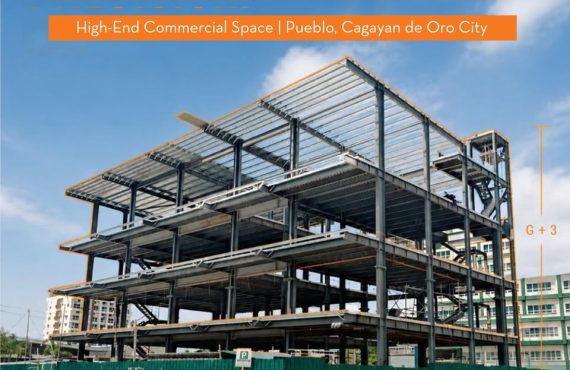
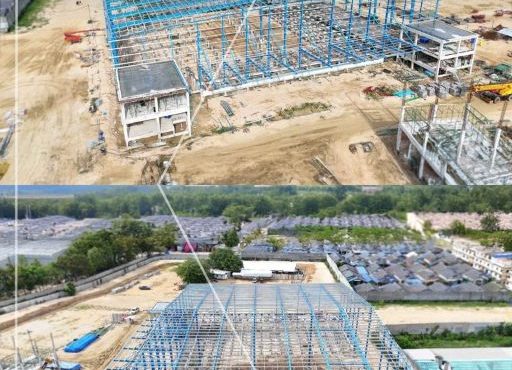
Steel construction follows a different process. Structural components can be fabricated off-site while foundation and site preparation work progresses. Once delivered, these components can be lifted into position and assembled on-site according to the approved construction sequence.
This approach allows different project activities to overlap, helping contractors manage time and resources more effectively. It is one of the main reasons faster steel construction can contribute to more efficient building schedules.
By coordinating fabrication and site preparation, project teams can organize construction activities more effectively and reduce the amount of work that needs to be completed directly at the jobsite.
Faster Steel Construction: 5 Ways to Accelerate High-Rise Projects
1. Off-Site Fabrication Saves Time
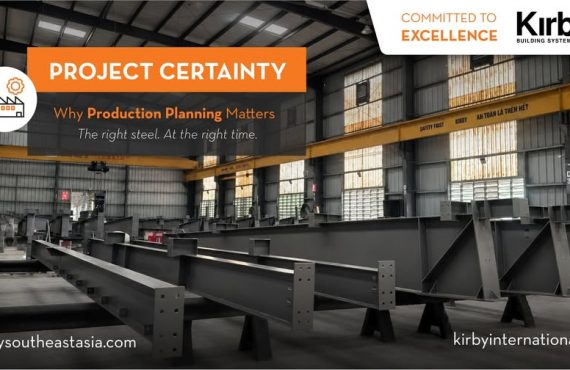
Steel components are manufactured in a controlled factory environment before being transported to the construction site. This allows fabrication to progress while other site activities, such as foundation preparation, are underway.
By moving much of the production work away from the site, contractors can reduce the amount of fabrication required during on-site construction. This supports better coordination between manufacturing, delivery, and installation teams.
Off-site fabrication is one of the key advantages of faster steel construction, as it helps project teams prepare structural components in advance and organize installation more efficiently.
This approach is particularly beneficial for high-rise developments where manufacturing and site preparation can progress simultaneously.
2. Bolted Assembly Supports Efficient Installation
Many structural steel connections use bolts to join fabricated components on-site. Once the components are lifted and positioned, the installation team can complete the connections according to the approved structural design and erection sequence.
This assembly method can reduce the need for certain time-consuming on-site processes. It also helps installation teams work systematically across different sections of the structure.
With proper engineering and installation planning, bolted connections support a more organized erection process while maintaining the required structural performance.
Combined with accurate fabrication and proper installation planning, faster steel construction can help reduce delays associated with complex on-site assembly activities.
3. Faster Vertical Progression
In high-rise projects, construction progress is closely connected to the ability to complete each floor and prepare for the next stage. Steel framing can support a planned erection sequence, allowing structural work to progress vertically as components become available.
With careful planning, fabrication, delivery, lifting, and installation can be coordinated to maintain construction momentum. This is particularly valuable when project schedules include demanding floor-by-floor targets.
For developers, faster vertical progression can help improve schedule management and coordinate follow-on construction activities more effectively.
For buildings with multiple floors, faster steel construction can help contractors maintain a consistent erection sequence and coordinate subsequent construction activities.
4. Better Site Organization and Less Labor Congestion
Off-site fabrication means fewer structural production activities need to take place within the construction area. This can help reduce site congestion and make it easier to coordinate workers, equipment, material deliveries, and lifting operations.
A well-planned steel erection process also helps teams organize work areas and manage installation activities more effectively.
However, safe access, lifting plans, temporary stability, and site supervision remain essential throughout construction. These considerations are particularly important for high-rise developments with complex site conditions.
5. More Predictable Project Coordination
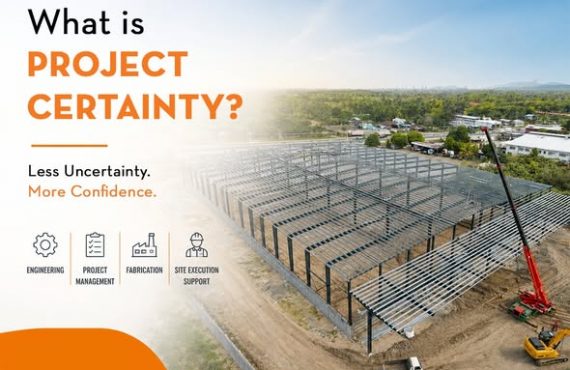
Steel construction relies on detailed engineering, fabrication drawings, production planning, and installation sequencing. When these activities are coordinated early, project teams can identify potential issues before components arrive on-site.
This level of preparation supports more predictable construction activities and helps contractors manage important milestones.
Effective project coordination is a key part of delivering faster steel construction without overlooking quality, safety, and engineering requirements.
Ultimately, faster steel construction is not only about installing structural components quickly. It also depends on effective engineering, manufacturing, logistics, and site coordination.
How Much Time Can Steel Construction Save?
With off-site fabrication and on-site bolted assembly, steel structures can help reduce overall construction time by approximately 20–30% on some projects, depending on the building design, project scope, site conditions, and construction sequence.
This figure should be treated as a potential project-specific improvement rather than a guaranteed result. Actual time savings depend on effective engineering coordination, fabrication capacity, material delivery, site readiness, and the contractor’s installation plan.
For developers, time is more than money. A well-managed schedule helps maintain project momentum, coordinate follow-on trades, and support the planned delivery of the building.
For additional technical information about structural steel, explore the resources provided by the American Institute of Steel Construction (AISC) and the World Steel Association.
Kirby SEA: Supporting High-Rise Construction in Southeast Asia
Kirby SEA is proud to contribute steel structure solutions to projects across Southeast Asia. By combining engineering expertise, controlled fabrication, and coordinated steel supply, we support contractors in meeting the technical and scheduling requirements of their projects.
Our ongoing BPO Building project in Bohol, Philippines, demonstrates Kirby SEA’s involvement in the region’s evolving construction landscape.
Every project requires careful coordination between design, fabrication, logistics, and on-site installation to achieve its construction objectives. Through these processes, we aim to support efficient project execution and dependable structural solutions.
Explore Kirby’s steel building solutions to learn more about our engineering, fabrication, and erection capabilities.
You can also visit our company profile to learn more about Kirby Southeast Asia.
Building Faster, Building Smarter
As cities continue to grow upward, construction teams need solutions that balance speed, strength, safety, and precision.
Through off-site fabrication, bolted assembly, and effective project coordination, faster steel construction can help high-rise projects progress more efficiently while supporting demanding construction schedules.
At Kirby SEA, we are proud to support this progress with steel structure solutions that combine technical precision, speed, and strength in every frame.
Have a project in mind? Contact our team today at sales@kirby.vn to discuss your steel structure requirements.
Frequently Asked Questions
Why can steel construction be faster than traditional concrete construction?
Steel components can be fabricated off-site while foundation and site preparation work continues. On-site bolted assembly can then support an organized installation sequence, reducing the need for some activities to happen one after another.
Does steel construction always reduce project time by 20–30%?
No. Potential time savings depend on project design, scope, site conditions, fabrication planning, material delivery, and installation methods. The 20–30% figure should be verified against project-specific evidence.
How does off-site fabrication help high-rise projects?
Off-site fabrication allows structural components to be prepared in advance in a controlled factory environment. This can improve coordination between production and site activities and support a more efficient construction schedule.
What role does Kirby SEA play in steel construction?
Kirby SEA provides steel structure solutions supported by engineering, fabrication, and supply capabilities. These services help project teams coordinate structural steel requirements for construction projects across Southeast Asia.