

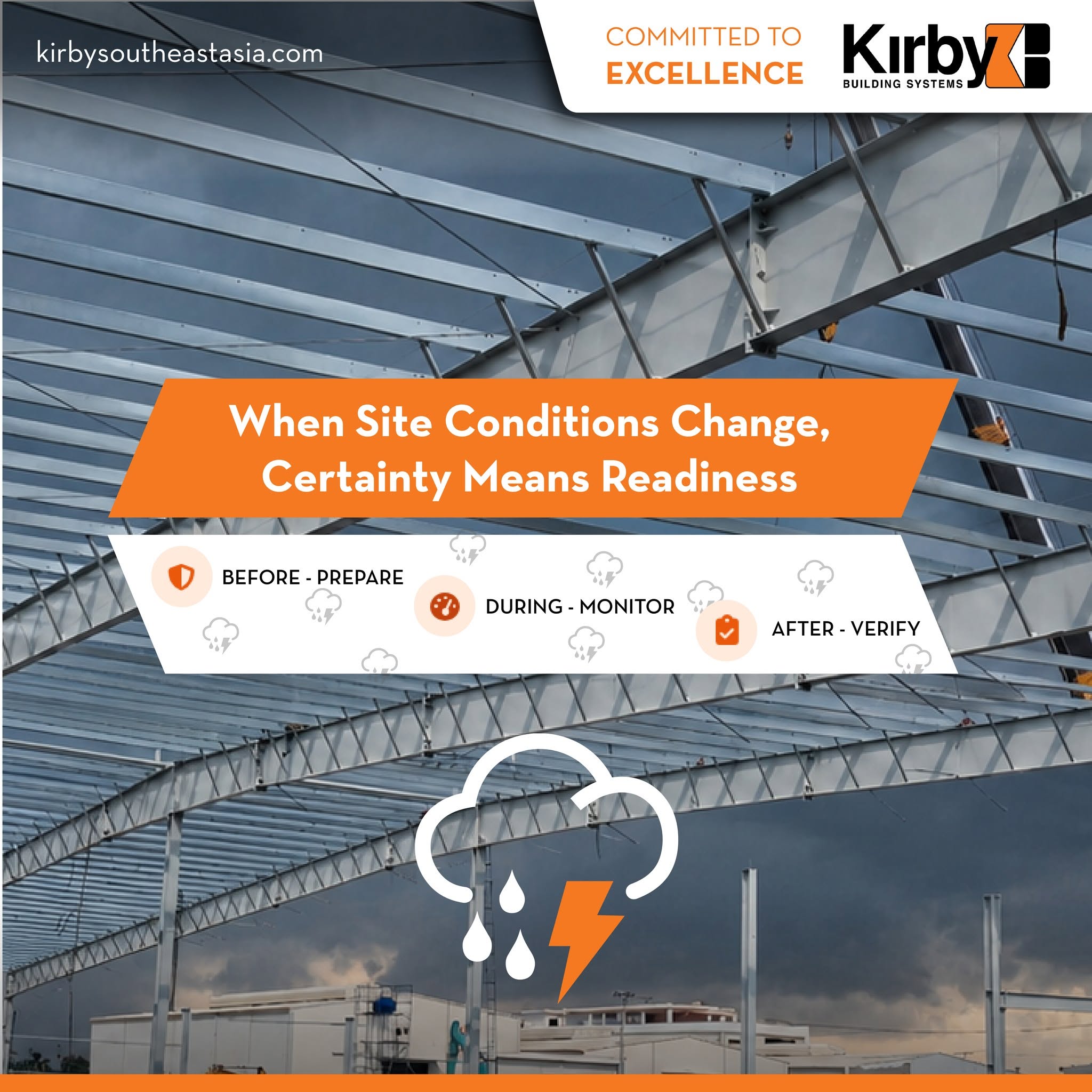
Construction Site Safety: 7 Ways to Prepare for Rain
In Southeast Asia, rain is part of the construction environment. Sudden weather changes can affect more than project timelines. They can influence site access, ground stability, drainage, lifting operations, material protection, and the safety of workers and equipment.
For this reason, effective construction site safety is not simply about reacting when bad weather arrives. It is about anticipating changing conditions and preparing the site before they become a problem.
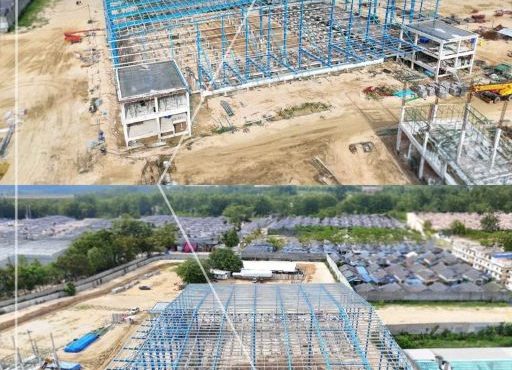
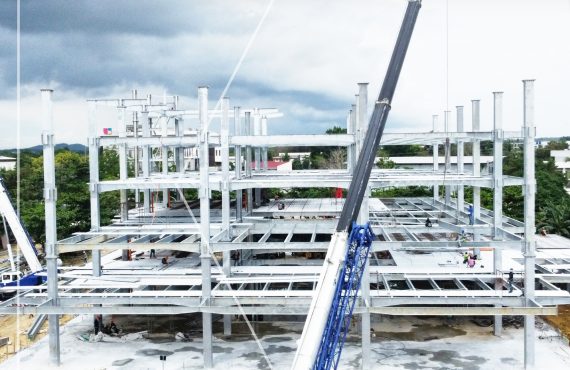
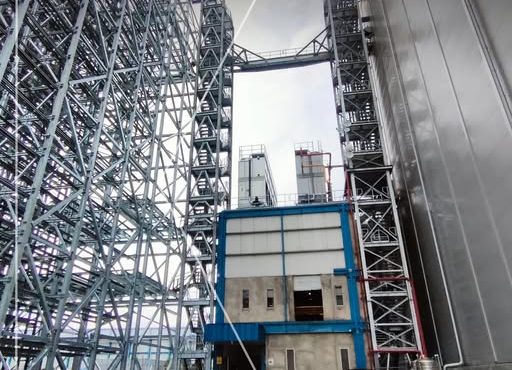
For steel construction and pre-engineered building projects, this preparation is especially important during material handling, crane operations, steel erection, and other activities that depend on stable and controlled site conditions.
Why Construction Site Safety Matters During Rain
Rain can change site conditions quickly.
Heavy rainfall may create standing water, muddy access routes, slippery surfaces, and unstable ground. These conditions can affect vehicle movement, crane positioning, material storage, and lifting activities.
Water can also accumulate around temporary drainage routes or areas where construction materials and equipment are exposed.
A proactive approach to construction site safety helps project teams identify these risks early and establish appropriate controls before work begins.
The objective is not to stop every activity whenever it rains. Instead, it is to understand how weather conditions affect specific work activities and make informed decisions based on actual site conditions.
1. Prepare the Site Before Rain Arrives
The first step in maintaining construction site safety during changing weather is preparation.
Before rainfall, project teams should review the site layout and identify areas that may collect water or become difficult to access.
Temporary drainage paths can be planned to direct runoff away from critical work areas. Sensitive materials should be elevated where appropriate, while exposed connections, equipment, and other vulnerable components should have suitable protection.
Key preparation measures may include:
- Planning temporary drainage routes
- Checking access roads and working platforms
- Elevating sensitive materials from wet or low-lying areas
- Securing tarpaulin or suitable weather protection
- Protecting exposed steel connections and equipment
- Checking that pumps and drainage equipment are available when required
Preparation gives site teams more control when weather conditions change unexpectedly.
2. Monitor Changing Site Conditions
Weather conditions can change throughout the working day. A site that was stable in the morning may require additional controls after heavy rainfall.
During rain, teams should monitor water accumulation, runoff, access routes, working surfaces, and other areas affected by changing conditions.
Regular communication between site management, supervisors, lifting teams, and workers is essential.
When conditions change, work activities should be reviewed accordingly. High-risk lifting operations may need to be paused when weather or ground conditions no longer provide an acceptable working environment.
Effective construction site safety depends on recognizing when conditions have changed and responding before a situation becomes hazardous.
3. Control Water Accumulation and Site Access
Water management is an important part of construction site preparation.
Standing water can affect pedestrian routes, vehicle access, material storage areas, and working platforms. Mud and slippery surfaces may also increase the risk of slips, trips, and loss of vehicle control.
Site teams should therefore monitor:
- Water accumulation
- Temporary drainage systems
- Access and haul roads
- Pedestrian routes
- Working platforms
- Material storage areas
- Areas surrounding lifting equipment
Maintaining clear and reasonably stable access routes helps workers and equipment move safely around the project site.
4. Check Ground Stability Before Heavy Lifting
Ground conditions deserve particular attention after significant rainfall.
Crane staging areas and other locations supporting heavy equipment need to be assessed before work resumes. Rain can soften soil or affect surface conditions, potentially changing the stability of areas used for heavy equipment.
Before restarting heavy lifting or steel erection, the responsible project team should verify that the relevant working area is suitable for the planned activity and that required safety controls are in place.
This is an important part of maintaining construction site safety during steel building projects.
5. Protect Steel Components and Equipment
Rain can also affect materials and equipment stored or exposed on site.
Steel components, connections, tools, electrical equipment, and other sensitive items should be protected and stored appropriately according to project requirements.
Good material management can help prevent unnecessary exposure, damage, contamination, or delays.
For steel construction projects, protecting components before and during erection supports both efficient site execution and overall project quality.
6. Inspect Before Resuming Work
After rainfall, returning to work should not simply mean waiting for the rain to stop.
The site should be inspected before affected activities resume.
Depending on the project and conditions, this may include checking:
- Ground stability
- Crane staging areas
- Access routes
- Working platforms
- Temporary drainage
- Material storage areas
- Steel components and connections
- Equipment and tools
- General site safety conditions
A clear inspection and verification process helps ensure that work resumes based on current site conditions rather than assumptions.
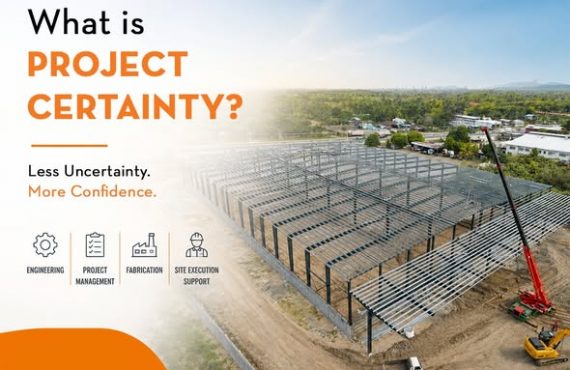
7. Build Project Certainty Through Preparation
Project certainty does not mean expecting construction conditions to remain unchanged.
Construction projects are exposed to weather, logistics, site conditions, material movement, and many other variables. The goal is to prepare for these variables so teams can make controlled decisions when conditions change.
The process can be summarized simply:
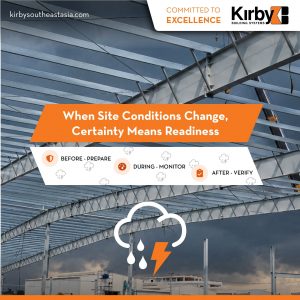
PREPARE → MONITOR & CONTROL → INSPECT & VERIFY
This approach helps project teams move from reactive site management toward proactive risk control.
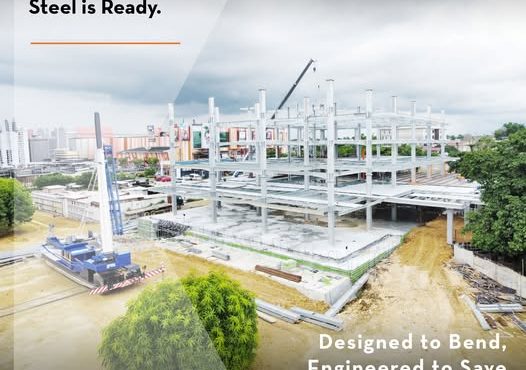
For steel construction and pre-engineered buildings (PEB), disciplined site execution is particularly important because steel erection involves coordinated lifting, access, equipment, and working conditions.
Construction Site Safety: Ready for Rain or Shine
Rain will always be part of construction across Southeast Asia. What matters is how project teams prepare for it.
Effective construction site safety requires more than responding to visible problems. It requires planning ahead, monitoring site conditions, protecting materials and equipment, checking ground stability, and verifying that the site is ready before work resumes.
At Kirby Southeast Asia, project certainty begins with disciplined engineering and continues through site execution.
From engineering design to steel fabrication and site erection, every stage requires attention to safety, quality, coordination, and changing project conditions.
Project certainty is not about waiting for clear skies.
It is about being ready — rain or shine.
Engineered for Project Certainty
From Engineering Design to Site Execution, Kirby Southeast Asia supports industrial and commercial building projects with pre-engineered steel building solutions and project-focused expertise.