

5 Strategies for Design for Reuse in Sustainable Steel Buildings
Design for reuse is an important consideration in sustainable construction. It encourages the construction industry to extend the useful life of buildings and materials rather than relying on demolition and replacement.
Steel structures consist of individual members and connected components. With appropriate engineering, these elements may offer opportunities for modification, dismantling, and future applications.
For pre-engineered steel buildings (PEB), considering future requirements during the initial design stage can improve flexibility, material efficiency, and long-term value.
Table of Contents
- What Is Design for Reuse?
- Why Steel Buildings Support Circular Construction
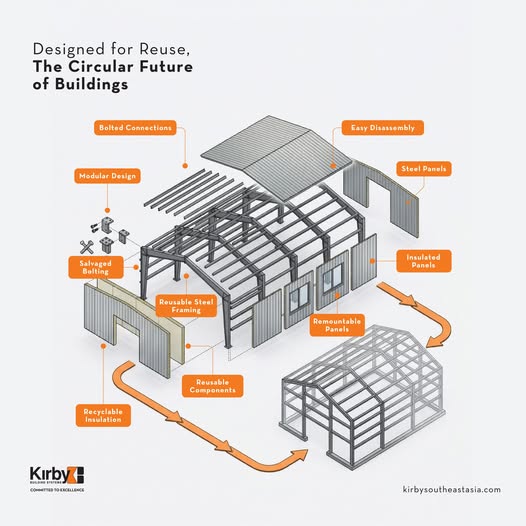
- 1. Design Structures for Easy Disassembly
- 2. Plan for Future Component Recovery
- 3. Create Flexible Building Designs
- 4. Maintain Component Documentation
- 5. Consider the Entire Building Lifecycle
- Moving Towards Circular Construction
- Environmental Benefits of Material Recovery
- Kirby’s Approach to Sustainable Steel Buildings
What Is Design for Reuse?
Design for reuse means considering how buildings and their components can serve future purposes beyond their original application.
Engineers can evaluate several possibilities during the design stage:
- Changes in building use.
- Future expansion and modifications.
- Relocation of selected structures.
- Recovery of structural steel components.
- Disassembly at the end of a building’s service life.
These considerations can extend material lifecycles and reduce unnecessary construction waste.
Why Steel Buildings Support Circular Construction
Pre-engineered steel buildings offer useful characteristics for circular construction because their structural systems consist of individual members and connections.
The potential for component recovery depends on original engineering specifications, connection details, material condition, and future structural requirements.
Planning these factors early can help businesses identify opportunities for more efficient material use.
1. Design Structures for Easy Disassembly
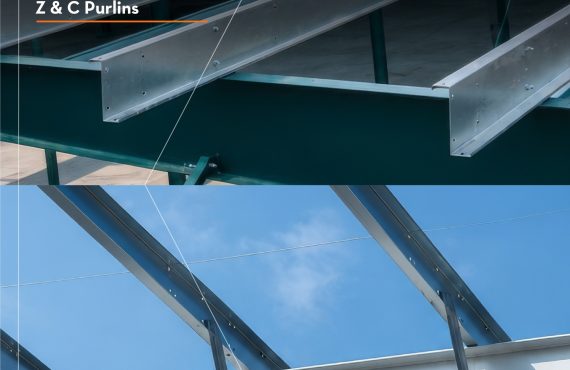
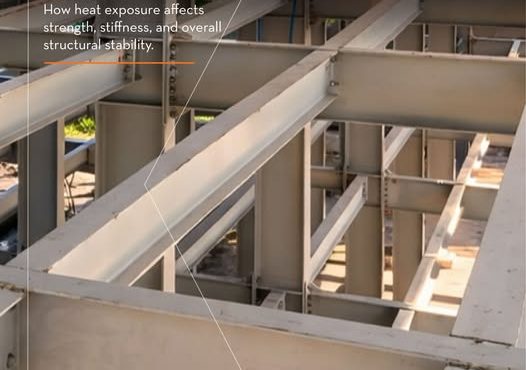
Steel structures are assembled from individual members rather than formed as one continuous mass.
Where technically appropriate, bolted connections can make selected components easier to separate during modifications or dismantling.
Engineers should consider connection accessibility, assembly sequences, and future dismantling requirements.
All disassembly strategies must maintain structural integrity and comply with applicable engineering standards.
2. Plan for Future Component Recovery
Structural steel components may retain value beyond their original construction project.
However, their suitability for another application requires proper technical assessment.
Recovered members should be inspected for:
- Material grades and specifications.
- Dimensions and structural characteristics.
- Corrosion and surface deterioration.
- Deformation or physical damage.
- Connection conditions and previous modifications.
These checks help determine whether components can safely meet the requirements of a future structure.
3. Create Flexible Building Designs
Industrial facilities may require additional production space, new equipment, or modified layouts as business operations develop.
A well-engineered PEB system can accommodate certain future expansion requirements when considered during initial planning.
Engineers can evaluate expansion zones, structural capacity, connection arrangements, and building layouts.
This approach helps businesses respond to changing operational needs without automatically requiring complete reconstruction.
4. Maintain Component Documentation
Accurate documentation supports future building modifications and component recovery.
Project teams should maintain records of material specifications, structural drawings, connection details, fabrication information, and maintenance history.
Building Information Modelling (BIM) and digital material inventories can also improve information management throughout the building lifecycle.
These records help engineers identify components and assess their suitability for future applications.
5. Consider the Entire Building Lifecycle
Long-term planning should consider more than initial design and construction.
Maintenance, modification, dismantling, transportation, and potential future installation are also important.
Project teams should evaluate how structural components can be accessed, separated, inspected, stored, and transported.
This planning helps identify practical opportunities and technical limitations before construction begins.
Moving Towards Circular Construction
Traditional construction has often followed a linear model:
Build → Use → Demolish
Circular construction aims to keep buildings and materials in productive use for longer:
Design → Build → Use → Adapt → Recover → Reuse
For steel buildings, this approach involves connection design, structural adaptability, component documentation, and future recovery planning.
Considering these factors early can improve resource efficiency and reduce unnecessary material waste.
Environmental Benefits of Material Recovery
Reusing existing structural materials can extend their useful life and potentially reduce demand for newly manufactured materials.
It can also reduce construction and demolition waste when existing structures or components can be adapted instead of replaced.
However, environmental benefits depend on transportation, refurbishment, processing, structural assessments, and component condition.
For further information, explore the US Environmental Protection Agency’s guidance on reducing, reusing, and recycling construction and demolition materials.
Additional technical information is available in SteelConstruction.info’s guidance on steel recycling and reuse.
Kirby’s Approach to Sustainable Steel Buildings
As industrial requirements evolve, the construction industry has opportunities to improve how buildings are designed, constructed, and maintained.
Steel offers useful characteristics for this transition through individual structural components, engineered connections, and adaptable building systems.
At Kirby Southeast Asia, we believe smarter engineering means thinking beyond the initial construction phase.
Our pre-engineered steel building solutions combine engineering expertise and fabrication capabilities to support changing business and operational requirements.
By considering structural performance, material efficiency, and future flexibility, we help customers make informed construction decisions.
Explore our structural steel solutions to learn more about our engineering and fabrication capabilities.
You can also read our related article about Z and C purlins in PEB secondary framing.
Let’s Build for What Comes Next
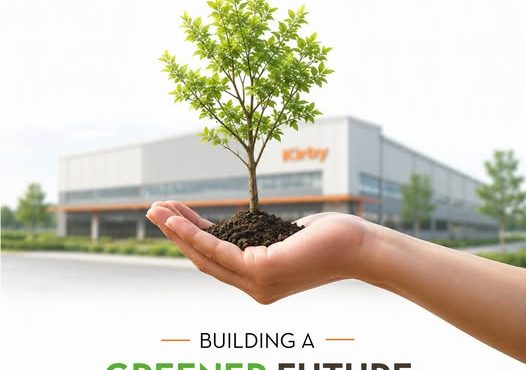
Sustainable construction is not only about building less. It is also about building smarter, adapting better, and keeping materials in use for longer.
Considering future recovery and structural adaptability can help create a more circular and future-ready built environment.
Engineered for Project Certainty.
For more information about our steel building solutions, contact: