SustainableConstruction - Kirby South East Asia

SustainableConstruction

/tag:SustainableConstruction
Green-Ready Buildings with Rooftop Solar Panels

Green-Ready Buildings: 7 Solar and Green Roof Design Tips

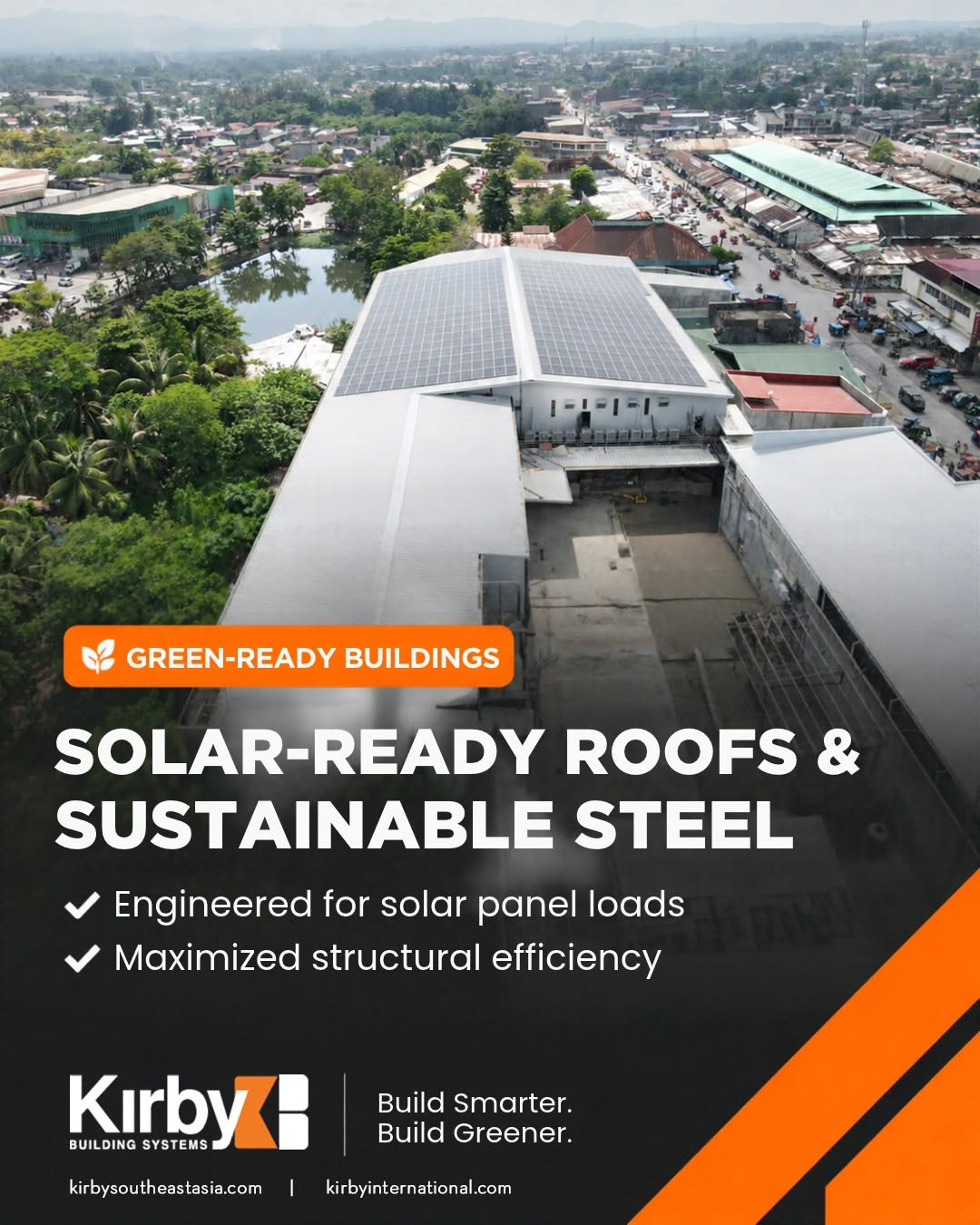
Green-Ready Buildings: 7 Solar and Green Roof Design Tips Green-ready buildings are changing how businesses approach industrial construction. Beyond providing operational space, modern steel buildings can incorporate sustainable features such as rooftop solar panels and green roofs. Across Southeast Asia, businesses are increasingly considering sustainable construction to improve building performance and support environmental goals. Making better use of available roof space creates opportunities to integrate these features into modern industrial facilities. At Kirby Southeast Asia, we believe sustainable construction starts with smarter building
Sustainable steel construction by Kirby Southeast Asia

Sustainable Steel Construction: 7 Ways to Protect Nature

Sustainable Steel Construction: 7 Ways to Protect Nature Sustainable Steel Construction helps create buildings that use resources responsibly. It combines efficient engineering, careful material use, and responsible manufacturing. These practices can reduce waste and support a greener future. Protecting nature also starts with how we design, manufacture, and construct buildings. As Southeast Asia grows, steel systems can support better resource use and long-term building performance. Table of Contents Why Sustainable Steel Construction Matters Steel Supports Resource Efficiency Reducing Construction Waste Designing Buildings for Long-Term

Steel with Green – Part 6: Design for Reuse: The Future of Sustainable Steel Buildings

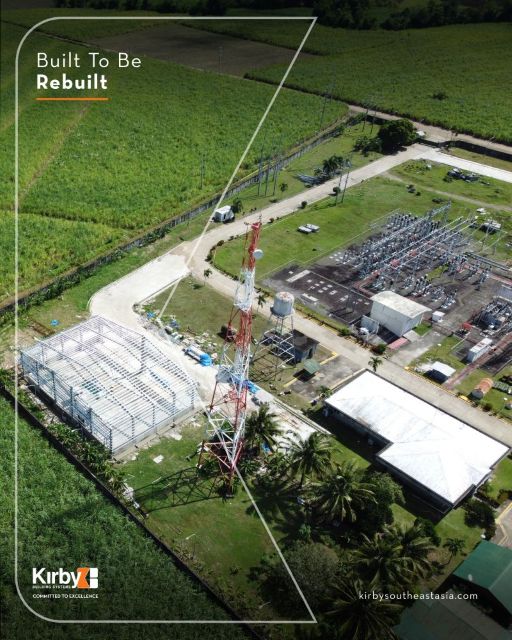
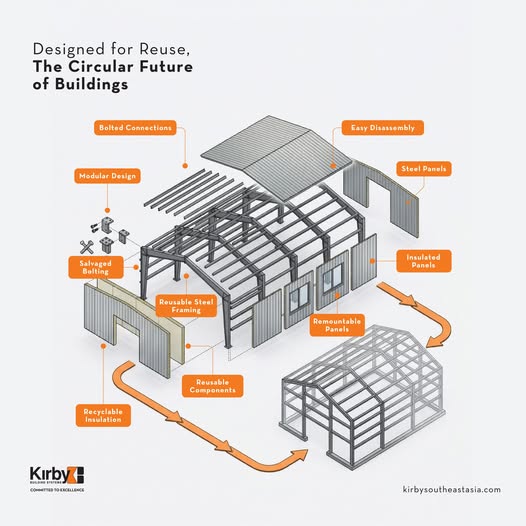
5 Strategies for Design for Reuse in Sustainable Steel Buildings Design for reuse is an important consideration in sustainable construction. It encourages the construction industry to extend the useful life of buildings and materials rather than relying on demolition and replacement. Steel structures consist of individual members and connected components. With appropriate engineering, these elements may offer opportunities for modification, dismantling, and future applications. For pre-engineered steel buildings (PEB), considering future requirements during the initial design stage can improve flexibility, material efficiency, and

Steel with Green – Post 3: Less Water, Less Dust

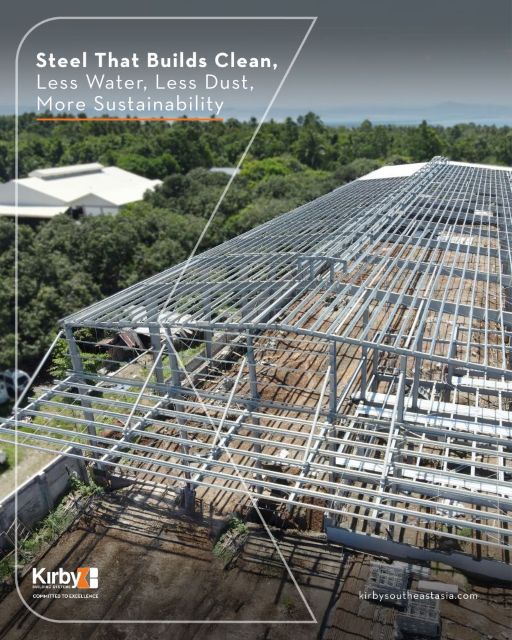
Cleaner Steel Construction: 5 Environmental Benefits of Steel Buildings Cleaner Steel Construction is an important step toward more sustainable industrial development. By using pre-engineered steel buildings (PEB), construction projects can reduce certain water-intensive activities, minimize on-site dust, and improve overall construction efficiency. Unlike conventional construction methods that involve extensive on-site concrete work, steel building components are fabricated in controlled factory environments and transported to the site for assembly. This approach helps reduce on-site activities and creates cleaner, more organized construction environments. At Kirby Southeast

Steel with Green – Post 2: Zero Waste Construction

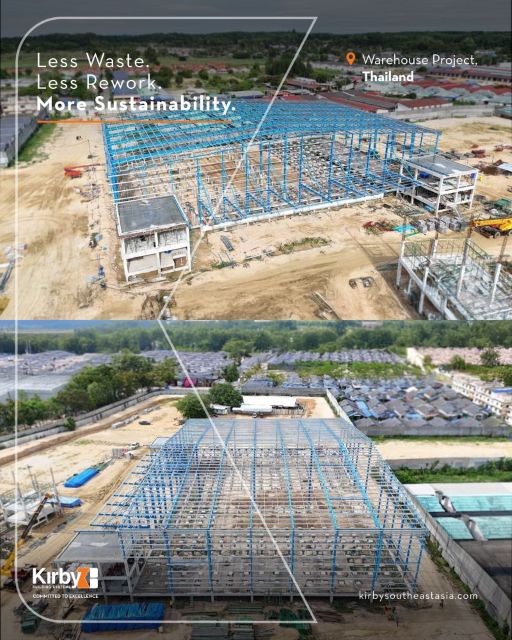
Zero-Waste Steel Construction: 5 Ways to Reduce Building Waste Zero-Waste Steel Construction is an important approach to reducing material waste and improving sustainability in modern industrial projects. By using pre-engineered steel buildings (PEB), construction companies can optimize material usage, minimize on-site debris, and improve installation efficiency. Unlike construction methods that require extensive on-site cutting and modification, steel components are precisely fabricated in controlled factory environments before being delivered for assembly. At Kirby Southeast Asia, we apply this approach to help customers achieve cleaner,

Reusable Steel Buildings: 5 Benefits of Designing for Reuse

Cleaner Steel Construction: 5 Environmental Benefits of Steel Buildings Cleaner Steel Construction is becoming an important consideration for industrial projects seeking more sustainable building solutions. Through pre-engineered steel buildings (PEB), construction projects can reduce certain water-intensive activities, minimize on-site dust, and improve material management. Unlike conventional construction methods that involve extensive on-site structural work, steel building components are fabricated in controlled factory environments before being transported to the site for assembly. This approach helps reduce on-site processing, improve construction coordination, and create cleaner, more