

Construction Site Safety: 7 Ways to Prepare for Rain
In Southeast Asia, rain is an unavoidable part of construction. Sudden weather changes can affect more than project timelines. They can influence site access, ground stability, drainage, lifting operations, material protection, and worker safety.
Effective construction site safety starts with preparation. Rather than reacting when heavy rain arrives, project teams should identify potential risks and establish controls before conditions become hazardous.
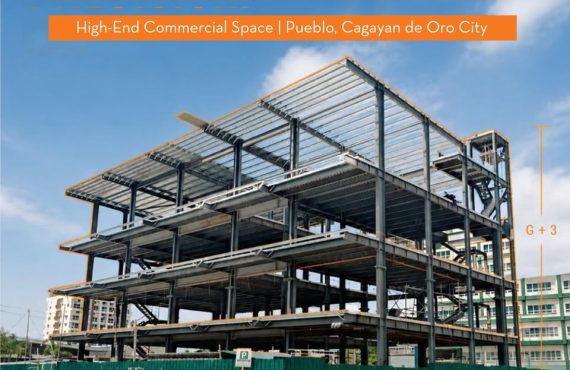
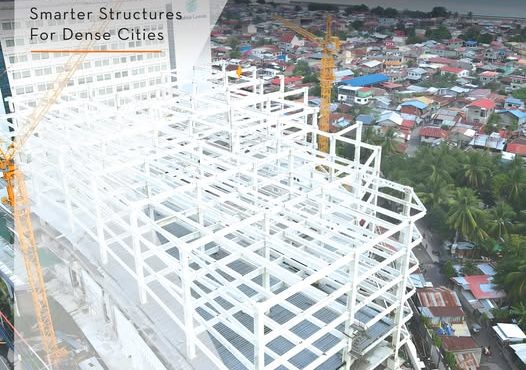
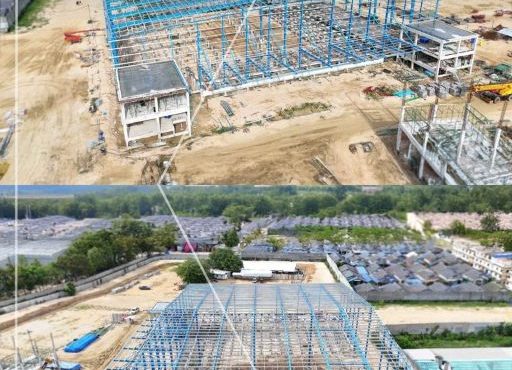
For steel construction and pre-engineered building (PEB) projects, this is particularly important during material handling, crane operations, and steel erection.
Table of Contents
- Why Construction Site Safety Matters During Rain
- 1. Prepare the Site Before Rain Arrives
- 2. Monitor Changing Site Conditions
- 3. Control Water Accumulation and Site Access
- 4. Check Ground Stability Before Heavy Lifting
- 5. Protect Steel Components and Equipment
- 6. Inspect Before Resuming Work
- 7. Build Project Certainty Through Preparation
- Construction Site Safety: Ready for Rain or Shine
Why Construction Site Safety Matters During Rain
Heavy rainfall can create standing water, muddy access roads, slippery surfaces, and unstable ground. These conditions may affect vehicle movement, crane positioning, material storage, and lifting activities.
A proactive construction site safety plan helps project teams identify these risks early and apply appropriate controls before work continues.
The objective is not to stop every activity whenever it rains. Instead, teams should assess actual site conditions and determine whether specific activities can continue safely.
1. Prepare the Site Before Rain Arrives
Preparation is the first step in maintaining safe working conditions during unpredictable weather.
Before rainfall, site teams should identify areas where water may accumulate and prepare suitable drainage routes. Sensitive materials and equipment should also receive appropriate weather protection.
Key preparation measures include:
- Planning temporary drainage routes.
- Checking access roads and working platforms.
- Elevating materials in low-lying areas.
- Securing tarpaulins and protective coverings.
- Protecting exposed steel connections and equipment.
- Preparing pumps and drainage equipment when required.
Early preparation helps reduce disruption and supports more controlled site operations.
2. Monitor Changing Site Conditions
Weather and ground conditions can change throughout the working day. Areas that were stable in the morning may become hazardous after heavy rainfall.
Supervisors should regularly monitor water accumulation, access routes, working surfaces, and equipment conditions. Clear communication between site management, lifting teams, and workers is equally important.
When conditions become unsuitable, high-risk activities such as crane lifting and steel erection should be reviewed or suspended until appropriate controls are established.
Continuous monitoring is an essential part of effective construction site safety, particularly on projects with changing weather conditions.
3. Control Water Accumulation and Site Access
Water management is essential for safe construction operations. Standing water and muddy surfaces can increase slip risks and affect vehicle movement around the project site.
Site teams should regularly check:
- Standing water and temporary drainage systems.
- Pedestrian routes and access roads.
- Working platforms and storage areas.
- Areas surrounding heavy equipment.
Keeping these areas accessible and reasonably stable helps workers and machinery move more safely.
4. Check Ground Stability Before Heavy Lifting
Ground stability requires particular attention after significant rainfall.
Wet or softened soil may affect crane positioning and the support conditions of heavy equipment. Before lifting operations resume, the responsible team should assess ground conditions and verify that crane support arrangements are suitable for the planned activity.
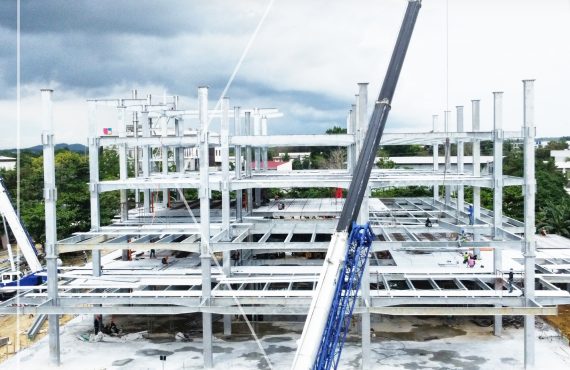
These checks are especially important during steel erection, when lifting equipment and coordinated site operations play a critical role.
5. Protect Steel Components and Equipment
Rain can affect materials and equipment left exposed on construction sites.
Steel components, connections, tools, and electrical equipment should be stored and protected according to project requirements. Suitable coverings and organized storage areas can help prevent unnecessary exposure, contamination, and material damage.
For PEB projects, proper material management supports efficient installation and consistent construction quality.
Explore Kirby’s pre-engineered steel building solutions to learn more about its engineering, fabrication, and erection capabilities.

6. Inspect Before Resuming Work
Work should not automatically resume simply because rainfall has stopped. A site inspection helps confirm whether conditions are suitable for affected activities.
Depending on the project, inspections should cover:
- Ground stability and crane staging areas.
- Access routes and working platforms.
- Temporary drainage systems.
- Steel components and material storage.
- Equipment, tools, and electrical systems.
- General site safety conditions.
The Occupational Safety and Health Administration (OSHA) construction safety guidance highlights the importance of inspecting excavations and protective systems after rainstorms. Although this guidance specifically addresses trenching and excavation, it reinforces the need to reassess changing site conditions before work resumes.
Regular inspections help teams make informed decisions rather than relying on assumptions about site safety.
7. Build Project Certainty Through Preparation
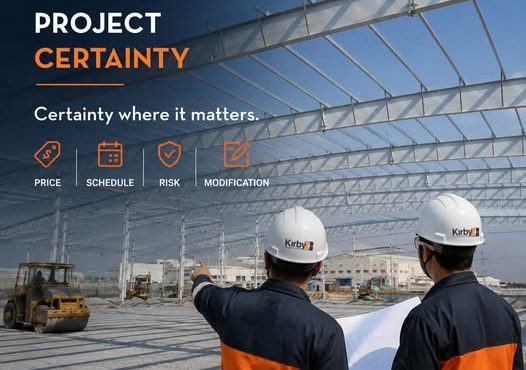
Project certainty does not mean expecting construction conditions to remain unchanged. It means preparing for challenges and making informed decisions when circumstances change.
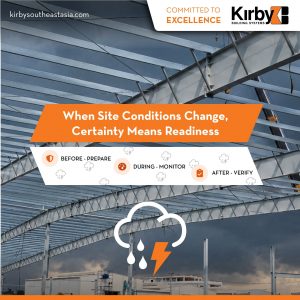
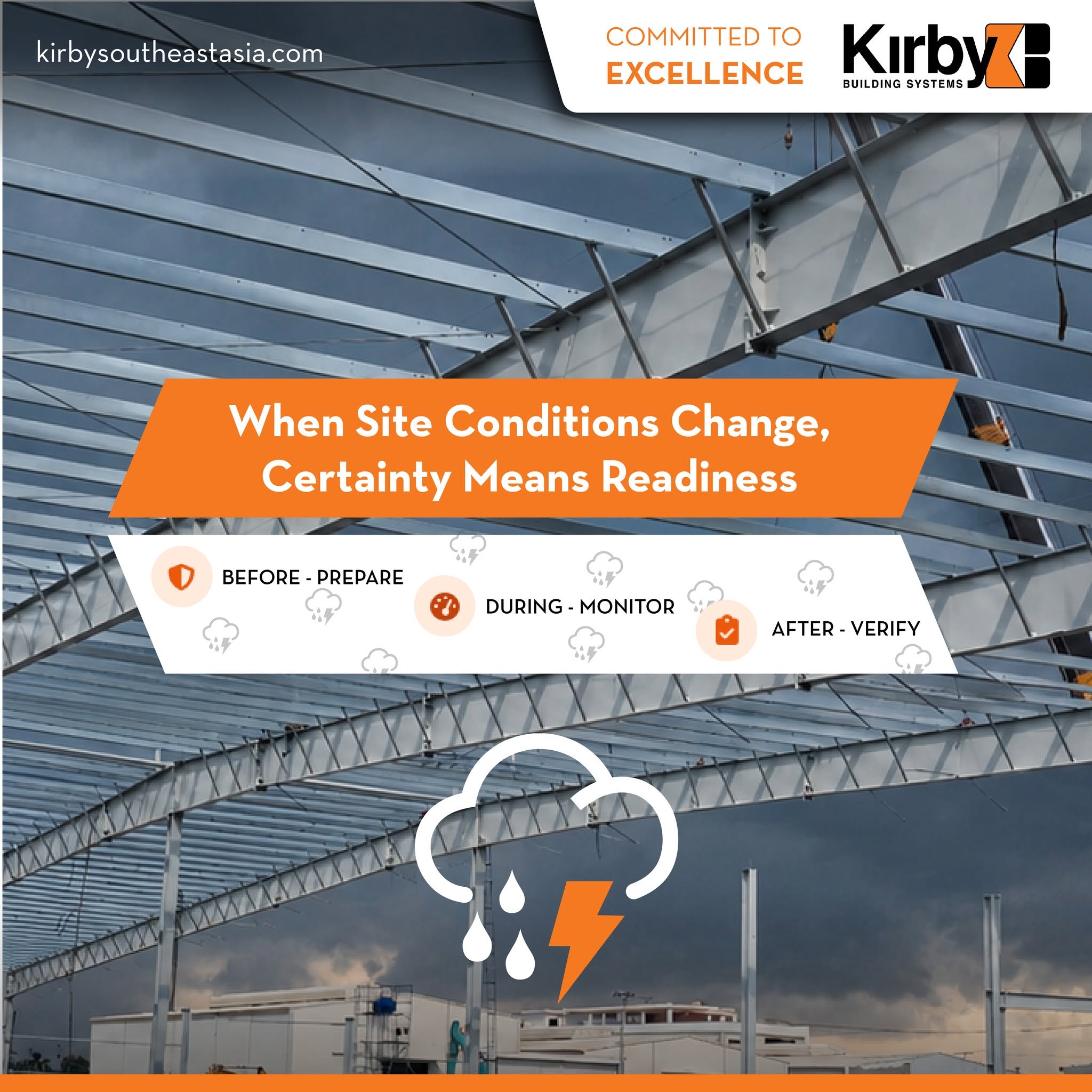
For steel construction projects, a proactive approach can be summarized in three steps:
PREPARE → MONITOR & CONTROL → INSPECT & VERIFY
This approach helps project teams manage weather-related risks while maintaining better coordination throughout site execution.
Explore Kirby’s structural steel solutions to learn how engineering and fabrication capabilities support industrial and commercial construction projects.
Construction Site Safety: Ready for Rain or Shine
Rain will always be part of construction across Southeast Asia. What matters is how project teams prepare for it.
Effective construction site safety requires advance planning, continuous monitoring, proper material protection, ground assessments, and inspections before work resumes.
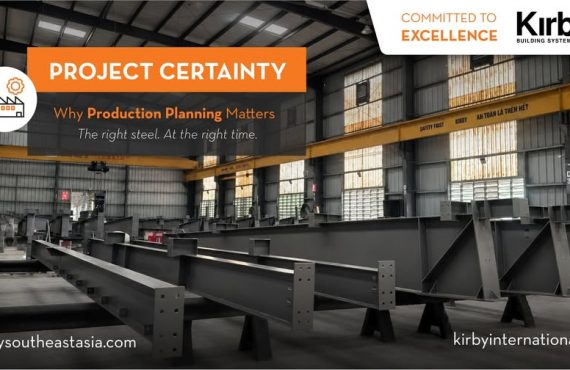
At Kirby Southeast Asia, project certainty begins with disciplined engineering and continues through fabrication and site execution. Every stage requires attention to safety, quality, coordination, and changing project conditions.
Project certainty is not about waiting for clear skies.
It is about being ready — rain or shine.
Engineered for Project Certainty
From Engineering Design to Site Execution, Kirby Southeast Asia supports industrial and commercial building projects with pre-engineered steel building solutions and project-focused expertise.
Discover how Kirby can support your next steel building project.