

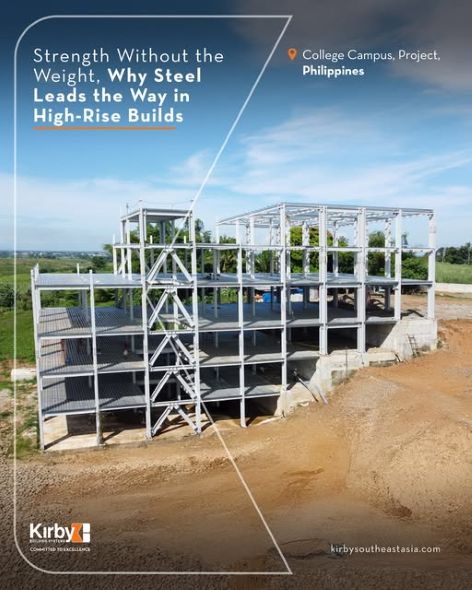
Steel for High-Rise Buildings: 5 Key Advantages
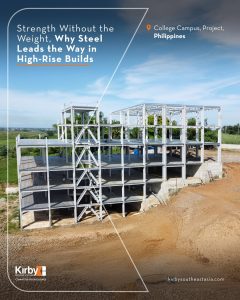
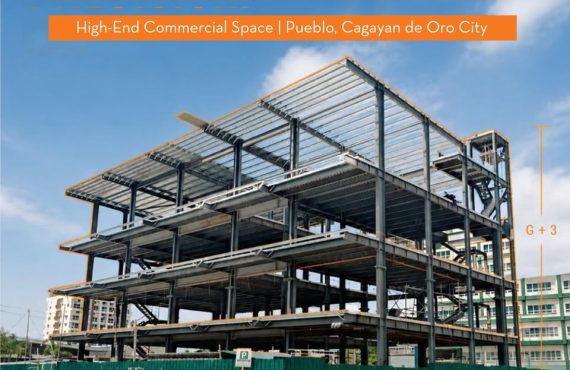
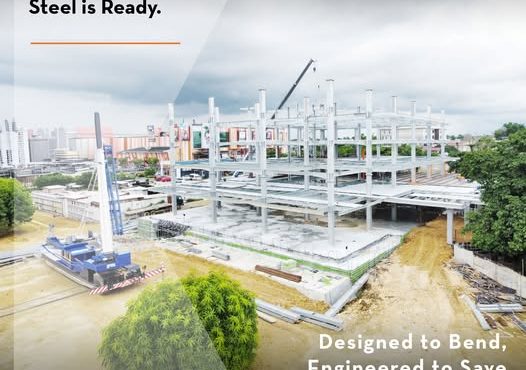
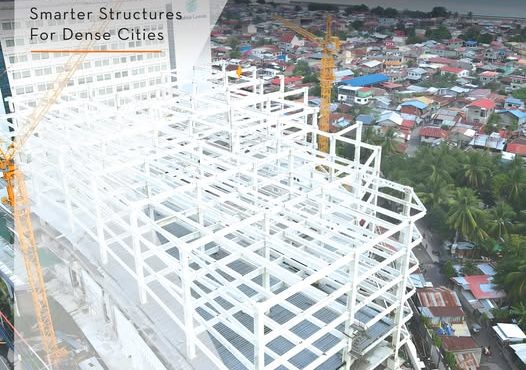
Steel for High-Rise Buildings offers an effective balance between structural strength and lightweight construction. Its high strength-to-weight ratio allows engineers to design efficient structures while reducing the weight transferred to foundations.
As cities continue to grow upward, steel provides greater flexibility for modern towers, commercial buildings, and multi-level facilities.
At Kirby Southeast Asia, we believe smart structural design starts with choosing materials that deliver strength, efficiency, and flexibility.
Table of Contents
- Why Is Steel Suitable for High-Rise Buildings?
- 5 Advantages of Steel for High-Rise Buildings
- How Steel Improves Structural Efficiency
- Design Flexibility for Modern Towers
- Kirby Southeast Asia: Building Smarter
- Frequently Asked Questions
- Conclusion
1. Why Is Steel Suitable for High-Rise Buildings?
Steel is widely used in modern structural engineering because of its excellent strength-to-weight ratio.
It can support substantial structural loads without requiring excessively heavy structural members.
This characteristic is particularly valuable in high-rise construction, where the weight of the building affects foundation design and overall structural efficiency.
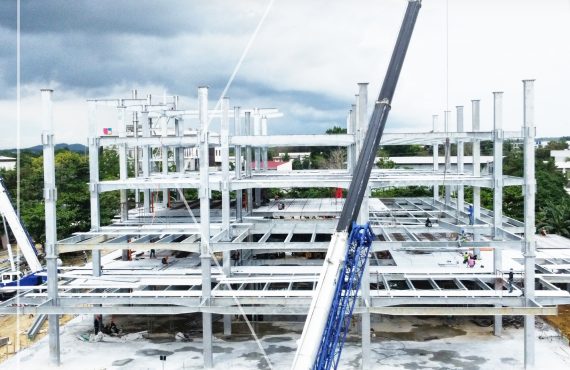
Steel also allows engineers to develop different structural systems to meet architectural requirements, building heights, and project conditions.
2. 5 Advantages of Steel for High-Rise Buildings
1. High Strength Without Excessive Weight
Steel provides significant structural strength while keeping member weight relatively low.
This helps engineers design efficient frames for towers and multi-storey buildings.
2. Reduced Foundation Loads
Lighter structural systems can reduce the weight transferred to building foundations.
Depending on soil conditions and foundation design, this may create opportunities for more efficient foundation solutions.
3. Slimmer Structural Members
The strength of steel allows engineers to optimize columns and beams according to structural requirements.
More efficient member dimensions can help create additional usable floor space.
4. Greater Design Flexibility
Steel supports a wide range of structural configurations and architectural designs.
Engineers can combine different framing systems to address building height, loading conditions, and functional requirements.
5. Supports Taller and More Efficient Structures
Steel’s strength-to-weight ratio makes it a valuable material for high-rise structural systems.
When properly engineered, steel frames can support ambitious building designs while maintaining structural performance and safety requirements.
3. How Steel Improves Structural Efficiency
Steel for High-Rise Buildings helps engineers balance structural performance with material efficiency.
Reducing unnecessary structural weight can influence foundation requirements, transportation, and construction planning.
Steel members can also be designed and fabricated according to project specifications, supporting coordinated installation.
For more information about steel structures, explore ArcelorMittal’s high-rise building solutions.
4. Design Flexibility for Modern Towers
Modern high-rise buildings require structural systems that balance strength, stability, and usable space.
Steel offers flexibility in column layouts, beam arrangements, and long-span structural solutions.
These characteristics can support commercial towers, office buildings, and complex multi-level developments.
However, every design must account for wind loads, seismic conditions, structural stability, and applicable building codes.
5. Kirby Southeast Asia: Building Smarter
At Kirby Southeast Asia, we understand the importance of structural efficiency in modern construction.
Our approach focuses on engineering solutions that balance strength, functionality, and project requirements.
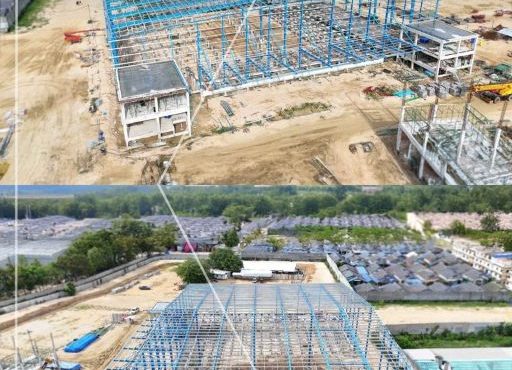
Through precision engineering and efficient steel building systems, we support customers in developing practical solutions for their construction projects.
Explore our Pre-Engineered Steel Building solutions to learn more about our engineering capabilities.
As cities grow upward, smart material selection and structural design become increasingly important.
Build smarter. Build stronger. Build with Kirby.
Contact our team at sales@kirby.vn to discuss your next project.
6. Frequently Asked Questions
Why is steel used in high-rise buildings?
Steel offers a high strength-to-weight ratio, design flexibility, and efficient structural performance, making it suitable for many high-rise applications.
Does steel reduce foundation loads?
Steel structures can reduce overall structural weight compared with some heavier alternatives. Actual foundation requirements depend on soil conditions and project design.
How does steel create more usable floor space?
Optimized steel columns and beams can reduce structural dimensions, potentially allowing more usable interior space.
Can steel support very tall buildings?
Yes. Steel and composite structural systems are widely used in tall buildings. The appropriate system depends on building height, loads, stability, and engineering requirements.
7. Conclusion
Steel for High-Rise Buildings combines structural strength with efficient material use.
Its lightweight characteristics, foundation advantages, slimmer structural members, and design flexibility make it valuable for modern high-rise construction.
At Kirby Southeast Asia, we believe the future of construction depends on smarter engineering and better structural solutions.
Reach Higher. Build Smarter. Build with Kirby.