

Vietnam’s Next Manufacturing Wave: Why Vietnam Is Becoming a Manufacturing Hub
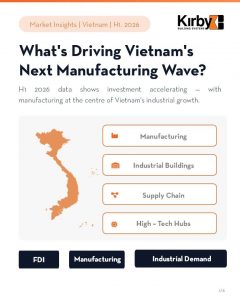
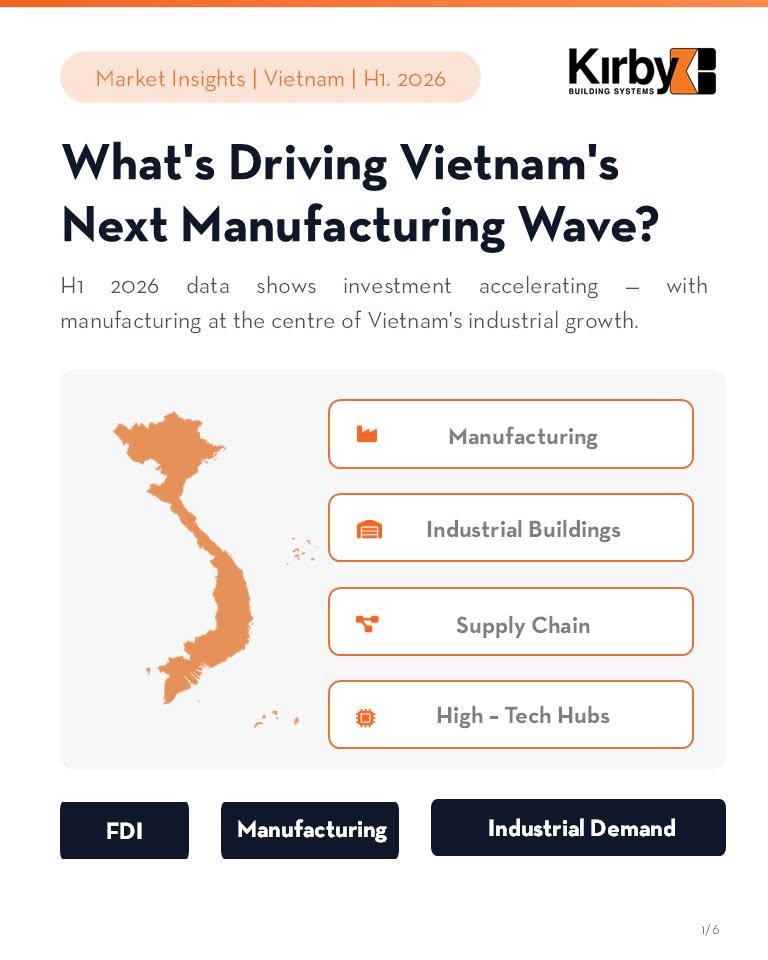
Manufacturing in Vietnam is entering a new phase of growth. As global companies continue to diversify their supply chains and expand their production capabilities, Vietnam is becoming an increasingly important destination for manufacturing investment.
The country’s strong FDI performance, growing industrial sector, and expanding manufacturing capabilities are creating new opportunities for businesses looking to establish or expand production facilities.
For industrial developers and manufacturers, this growth also creates an increasing need for reliable infrastructure, efficient factories, and well-planned industrial buildings.
Vietnam’s Manufacturing Growth Continues
Vietnam’s manufacturing sector continues to play an important role in the country’s economic development.
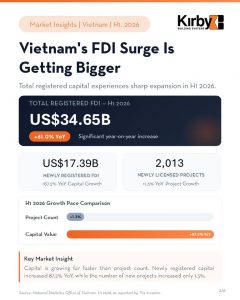
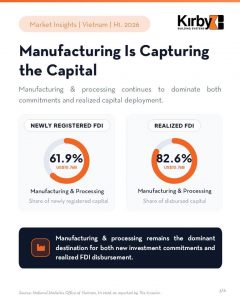
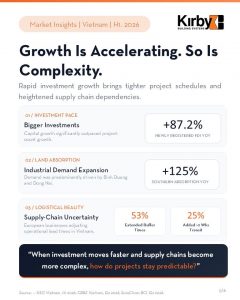
According to H1 2026 figures, Vietnam recorded approximately US$34.65 billion in registered FDI, with 61.9% of newly registered capital directed toward manufacturing and processing.
The manufacturing sector also accounted for a significant share of realized FDI, demonstrating continued investor confidence in Vietnam’s industrial capabilities.
These figures point to a broader trend: manufacturing in Vietnam is becoming an increasingly important part of the country’s growth story.
Why Are Companies Investing in Vietnam?
Several factors are supporting Vietnam’s position as a manufacturing destination.
The country has developed a growing industrial ecosystem, supported by established supply chains, a skilled workforce, strategic geographic positioning, and increasing connectivity with regional and global markets.
Vietnam’s participation in international trade agreements has also helped strengthen its position within global supply chains.
For manufacturers, these factors can create opportunities to serve both domestic and international markets while developing production capabilities within Southeast Asia.
The Rise of Industrial Development
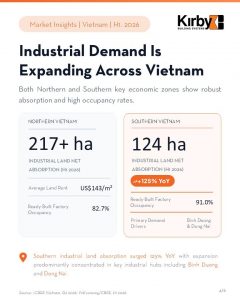
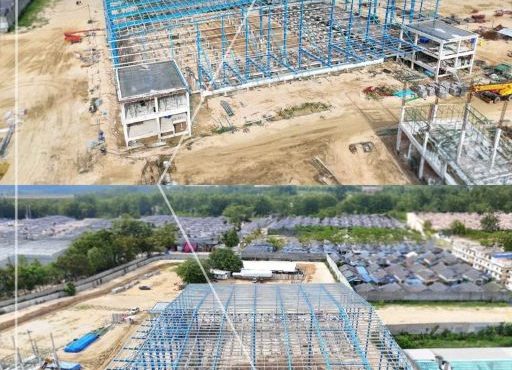
The expansion of manufacturing in Vietnam is closely connected to the growth of industrial parks and manufacturing facilities across the country.
As companies invest in new production lines or relocate and expand their operations, demand for industrial infrastructure also increases.
Manufacturing facilities need to support more than production alone. They must accommodate equipment, storage, logistics, employee facilities, utilities, and future expansion.
This makes early planning particularly important for companies developing new factories or expanding existing facilities.
What Does This Mean for Manufacturing Facilities?
A growing manufacturing sector requires buildings that can support changing operational needs.
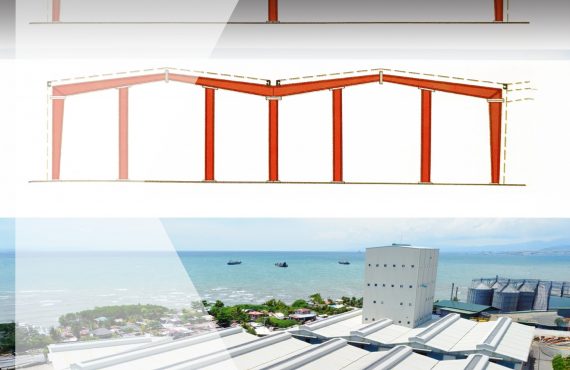
Modern industrial facilities may need large clear spans, efficient layouts, flexible production areas, warehouse space, loading areas, and provisions for future expansion.
This is where steel building solutions can provide advantages.
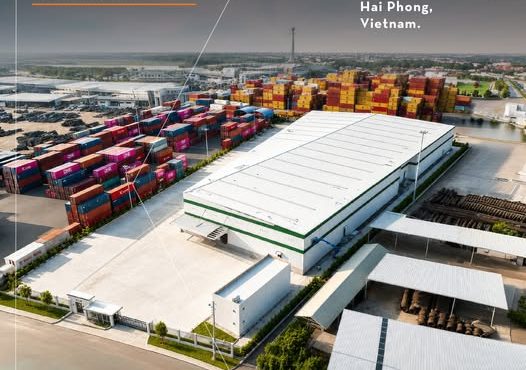
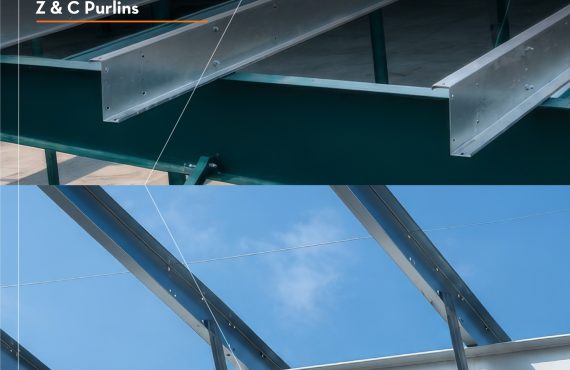
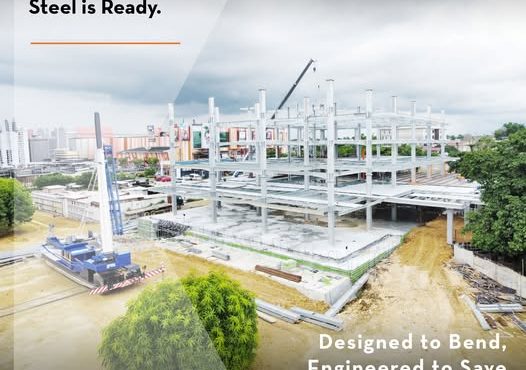
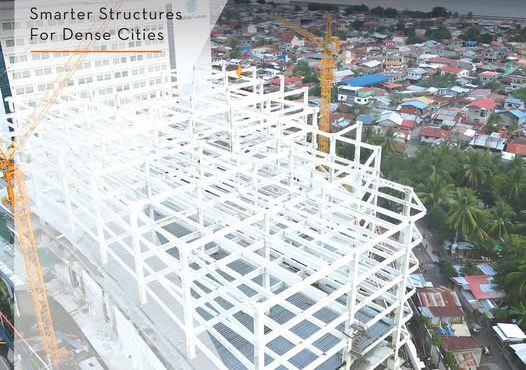
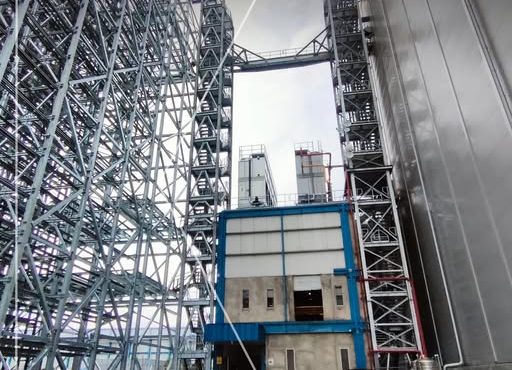
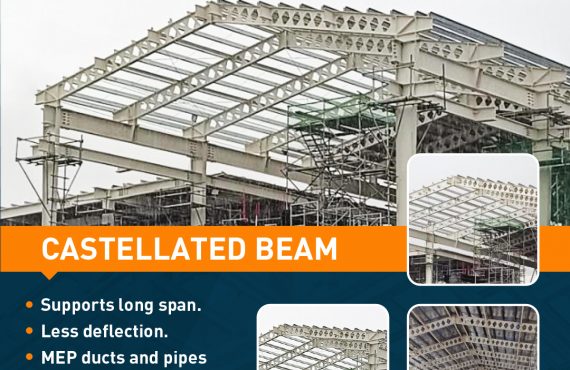
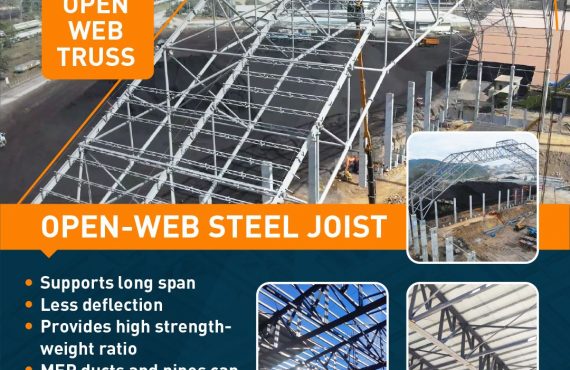
Pre-Engineered Buildings (PEB) can offer flexibility and efficient construction for a wide range of industrial applications, including factories, warehouses, production facilities, and logistics buildings.
The building system needs to be considered together with the project’s operational requirements, site conditions, production processes, and future growth plans.
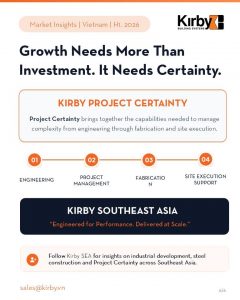
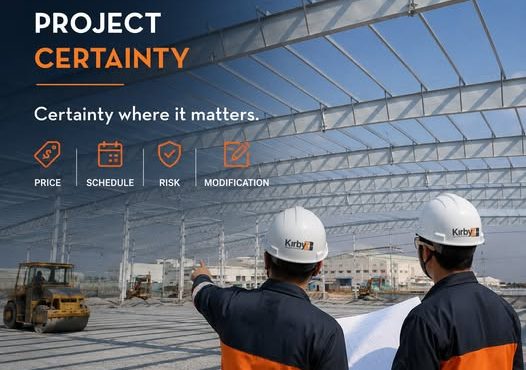
Manufacturing Investment Requires Project Certainty
Expanding into a new manufacturing market is a significant investment.
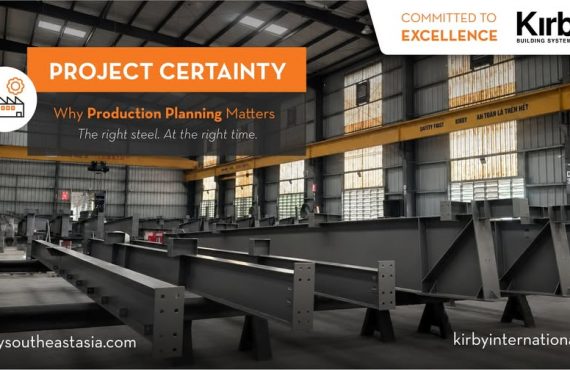
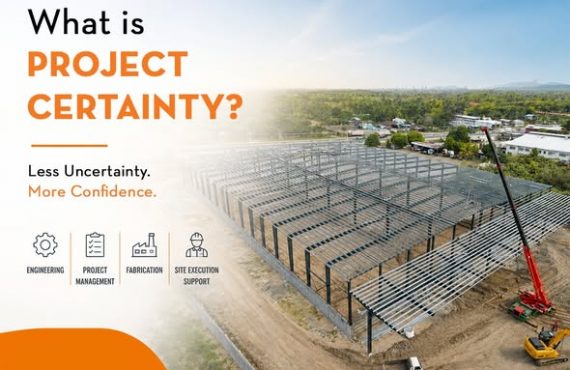
For investors and developers, the building itself is only one part of the overall project. Engineering, production planning, quality control, logistics, construction schedules, and coordination all influence the final outcome.
This is why project certainty matters.
A well-coordinated project can help stakeholders understand requirements, manage timelines, identify potential challenges, and maintain visibility throughout the construction process.
For companies investing in manufacturing in Vietnam, choosing the right project partner is therefore an important part of establishing a reliable production facility.
The Opportunity Ahead
Vietnam’s manufacturing growth is creating opportunities not only for manufacturers, but also for the wider industrial ecosystem.
As new factories, warehouses, processing facilities, and industrial developments are planned, demand for reliable construction and engineering solutions is expected to remain an important part of this growth.
The next phase of Vietnam manufacturing will not simply be about increasing production capacity. It will also be about developing facilities that are efficient, adaptable, and prepared for long-term business growth.
For industrial investors, this creates an opportunity to think beyond today’s requirements and consider what their facilities will need tomorrow.
Building for Vietnam’s Next Manufacturing Wave
The continued growth of manufacturing in Vietnam reflects the country’s expanding role in regional and global supply chains.
With strong FDI activity and continued industrial development, businesses are looking for infrastructure that can support production today while providing flexibility for tomorrow.
At Kirby Southeast Asia, we understand that an industrial building is more than steel and structure. It is part of the foundation that supports a company’s operations and future growth.
Through engineering expertise, manufacturing capabilities, quality management, and coordinated project delivery, we aim to provide steel building solutions that help customers build with greater confidence.
As Vietnam’s manufacturing landscape continues to evolve, the opportunity is clear: build smarter, plan ahead, and create facilities ready for the next stage of growth.
Kirby Southeast Asia — Building Certainty, Supporting Industrial Growth.