

Fire Safety Training: 5 Ways to Build Workplace Safety
Fire safety training plays an essential role in creating a safer workplace. In an emergency, knowing what to do, where to go, and how to respond can make a critical difference in protecting people and reducing risks.
At Kirby Southeast Asia, safety is more than a requirement; it is part of how we work and protect our people. As part of our ongoing commitment to workplace safety, Kirby Southeast Asia recently conducted its second Fire Prevention and Fire Fighting Training, strengthening employees’ knowledge, awareness, and readiness to respond to fire emergencies.
Through practical learning and safety awareness, this initiative reinforces five important areas of workplace emergency preparedness.
Table of Contents
- 1. Recognizing Potential Fire Hazards
- 2. Strengthening Fire Prevention Awareness
- 3. Understanding Emergency Procedures
- 4. Developing Practical Response Skills
- 5. Building a Stronger Safety Culture
- Prepared Today. Safer Tomorrow.
1. Recognizing Fire Hazards Through Fire Safety Training
A fire emergency can happen unexpectedly, and the first few moments can be critical. Understanding potential fire hazards is an important step in preventing incidents before they occur.
During training, employees can develop greater awareness of common fire risks, including electrical equipment, ignition sources, combustible materials, and unsafe workplace practices.
For industrial and manufacturing environments, recognizing these risks is particularly important. Employees who understand their surroundings are better prepared to identify potential hazards and report unsafe conditions before they develop into more serious problems.

2. Strengthening Fire Prevention Awareness
Prevention remains the first line of defense against workplace fires. Employees need to understand basic fire prevention measures and how everyday actions can contribute to a safer working environment.
Effective fire safety awareness encourages employees to follow workplace procedures, maintain good housekeeping practices, pay attention to safety signs, and report potential hazards to the appropriate personnel.
By reinforcing these habits, training helps make safety an active part of daily operations rather than something considered only during emergencies.
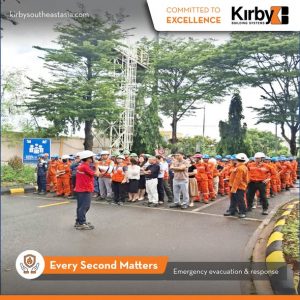
3. Understanding Emergency Procedures
When a fire alarm is activated, employees need to know how to respond without unnecessary confusion. Understanding emergency procedures helps everyone act more calmly and follow established safety arrangements.
Key areas of emergency preparedness include:
- Recognizing fire alarms and emergency notifications.
- Knowing designated emergency exits and evacuation routes.
- Understanding assembly points and headcount procedures.
- Knowing how to report an emergency to responsible personnel.
- Following instructions from designated emergency coordinators.
Clear communication and familiarity with evacuation arrangements help employees prioritize personal safety and support a more organized emergency response.
For additional workplace guidance, the Occupational Safety and Health Administration (OSHA) provides resources on emergency action plans, evacuation procedures, and employee preparedness.

4. Developing Practical Response Skills
Understanding emergency procedures is important, but practical learning also helps employees become more familiar with emergency equipment and appropriate response actions.
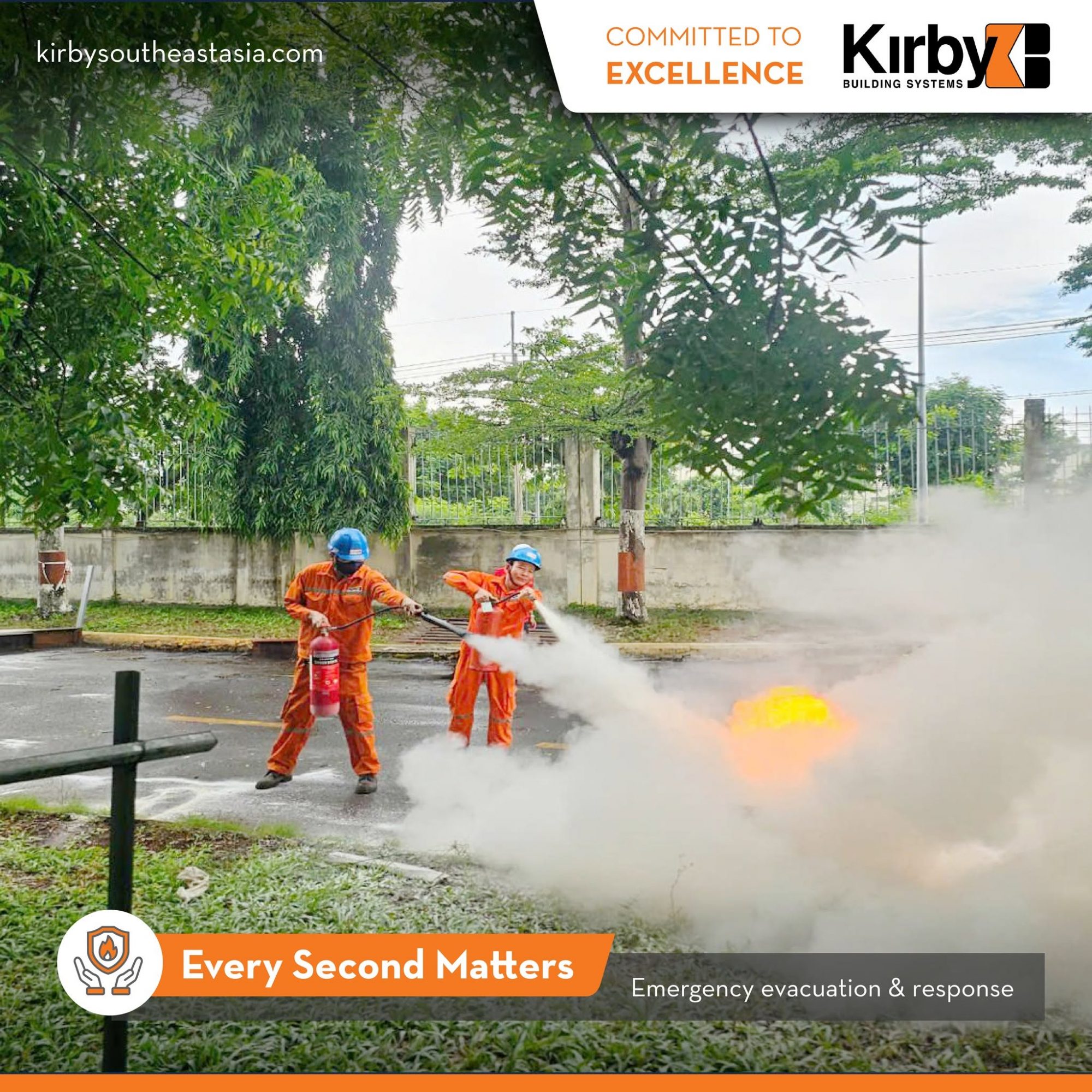
During Kirby Southeast Asia’s Fire Prevention and Fire Fighting Training, participants received guidance on fire prevention, emergency response procedures, and the proper use of firefighting equipment.
Through demonstrations and hands-on activities, employees had opportunities to strengthen their understanding of how equipment works and why following the correct procedures matters.
Fire extinguishers should only be used by employees who have received appropriate training and are authorized to do so, when it is safe. Personal safety and evacuation must always remain the priority.
5. Building a Stronger Safety Culture
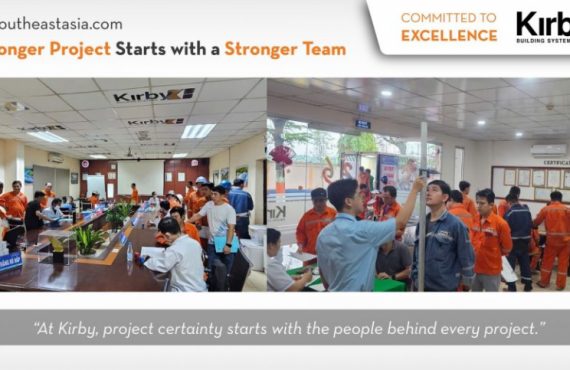
At Kirby Southeast Asia, workplace fire safety is part of a broader commitment to protecting our people, workplaces, and communities.
Safety depends on more than equipment and procedures. It also depends on people who understand their responsibilities, communicate effectively, and are prepared to act when necessary.
Regular training and awareness activities help reinforce this shared responsibility. By providing employees with opportunities to learn, practice, and refresh their knowledge, we continue to strengthen workplace awareness and encourage a proactive approach to safety.
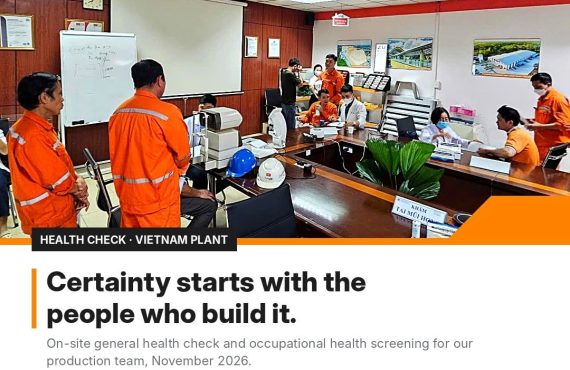
This commitment to employee wellbeing is also reflected in our employee health check initiatives, which support a workplace where people and their wellbeing matter.
Prepared Today. Safer Tomorrow.
Emergency preparedness starts before an emergency happens. Kirby Southeast Asia’s second Fire Prevention and Fire Fighting Training is one of the ways we continue to strengthen our safety culture and prepare employees to respond responsibly when it matters most.
Being prepared is not simply about responding to an emergency. It is about recognizing risks, protecting people, following procedures, and understanding that workplace safety is a shared responsibility.
At Kirby Southeast Asia, we believe that a safer workplace is built through continuous learning, awareness, and collective action.
Prepared to Respond. Ready to Protect.
Kirby Southeast Asia — Safety is everyone’s responsibility.