

Vietnam’s Next Manufacturing Wave Is Already Taking Shape
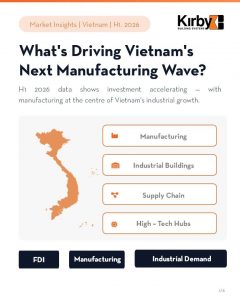
Vietnam’s manufacturing is entering a new phase of growth. As global companies continue to diversify their supply chains and expand their presence across Southeast Asia, Vietnam is becoming an increasingly important destination for manufacturing investment.
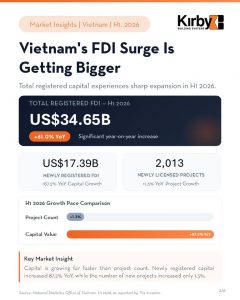
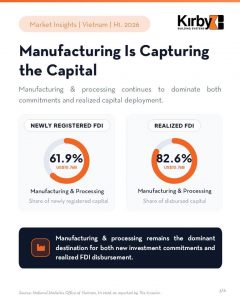
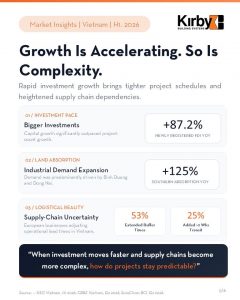
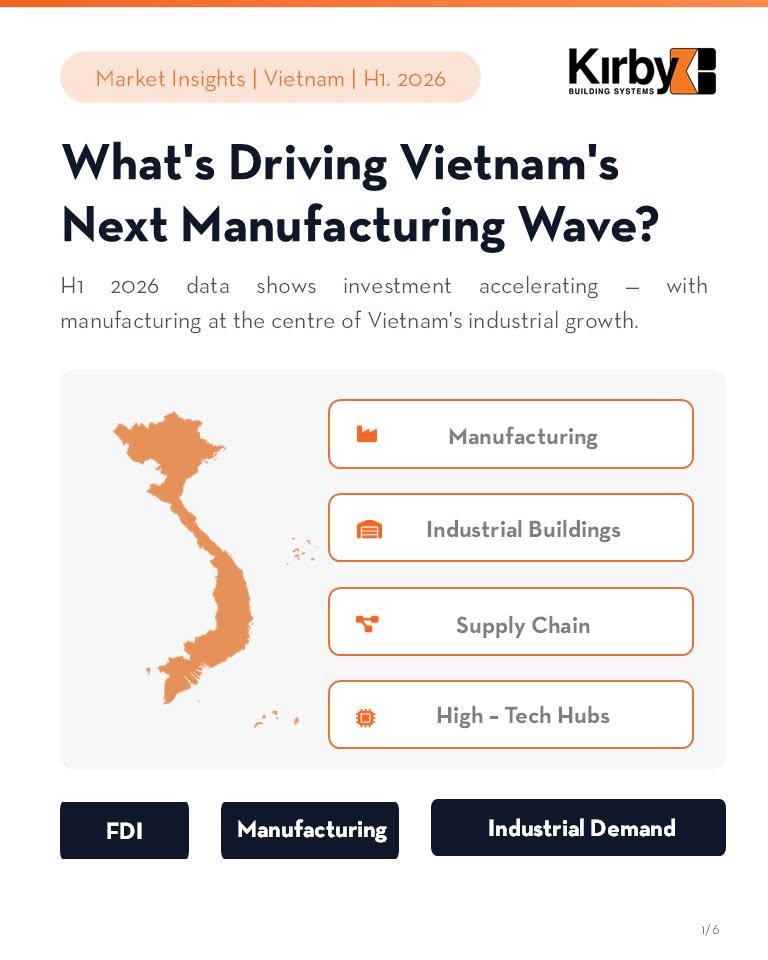
The numbers tell an interesting story. In the first half of 2026, Vietnam recorded US$34.65 billion in registered foreign direct investment (FDI), while manufacturing and processing continued to account for the largest share of newly registered investment capital.
Beyond the numbers, this growth reflects a broader shift: Vietnam is strengthening its position as a strategic manufacturing hub in the region.
Why Vietnam Manufacturing Continues to Attract Investment
Vietnam’s manufacturing sector benefits from a combination of factors that make the country attractive to international investors.
A growing industrial base, improving infrastructure, an expanding workforce, and its strategic location within Asia all contribute to Vietnam’s manufacturing potential.
At the same time, companies are increasingly looking for production locations that can support long-term growth while improving supply chain resilience.
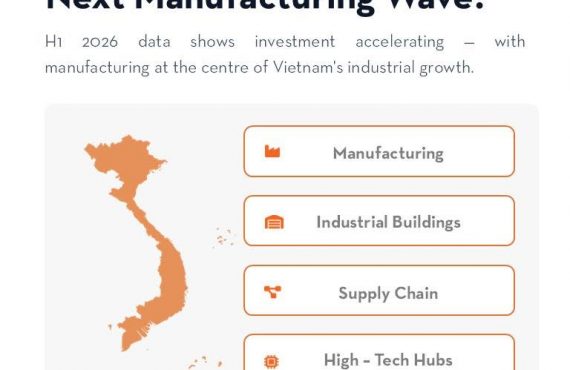
This has created opportunities across a wide range of industries, from electronics and automotive components to machinery, logistics, food processing, and industrial manufacturing.
For investors, the opportunity is not simply about establishing a factory. It is about building the infrastructure and operational capacity needed to support sustainable expansion.
FDI Is Supporting Industrial Development
Foreign direct investment continues to play an important role in Vietnam’s industrial development.
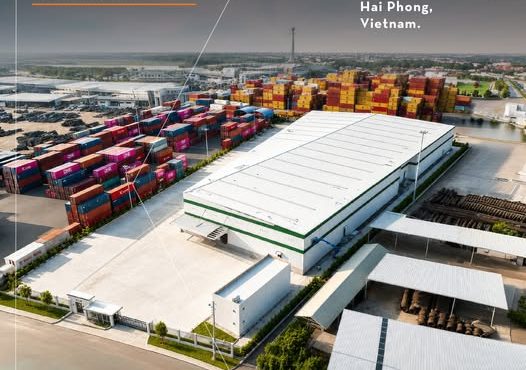
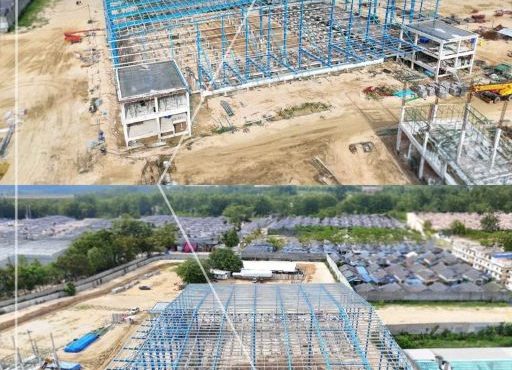
New manufacturing projects can generate demand for industrial facilities, warehouses, production plants, logistics centers, and supporting infrastructure. As companies expand their operations, the need for efficient and scalable buildings also increases.
This creates a connection between investment growth and the development of the built environment.
For the construction industry, the growth of Vietnam manufacturing represents more than an increase in the number of factories. It signals continued demand for solutions that can help businesses develop facilities efficiently and adapt to changing operational requirements.
Manufacturing Growth Requires Reliable Infrastructure
A successful manufacturing operation depends on more than machinery and production technology.
The facility itself needs to support the company’s production flow, storage requirements, logistics activities, safety standards, and future expansion plans.
This is where industrial building solutions become an important part of the investment process.
For manufacturing investors, construction timelines can directly affect business plans. Delays in completing a facility may postpone equipment installation, production start-up, and the overall project schedule.
As a result, selecting the right building system and project partner can help investors manage both time and operational considerations more effectively.
The Role of Steel Building Solutions
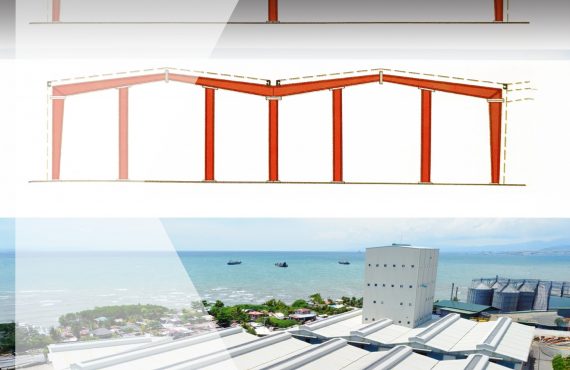
Steel building systems can provide flexibility for industrial and manufacturing developments.
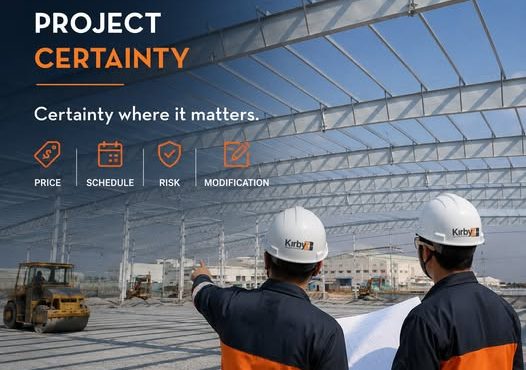
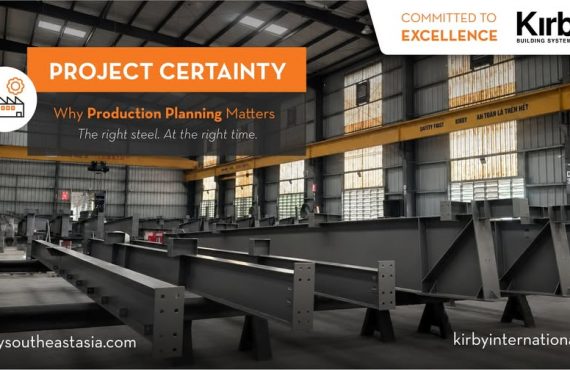
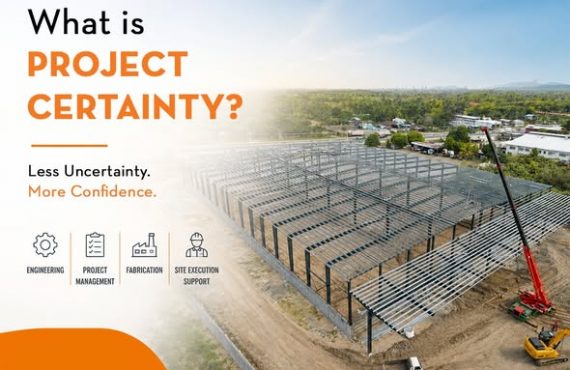
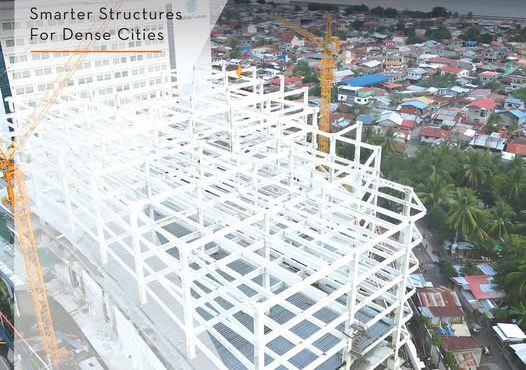
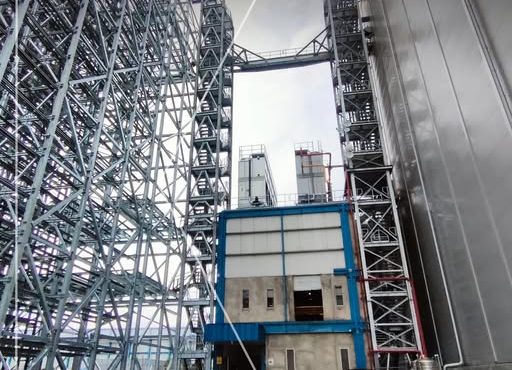
Pre-engineered building solutions can support applications such as factories, warehouses, distribution centers, and other industrial facilities. Their design and fabrication processes allow different building requirements to be coordinated before components arrive at the construction site.
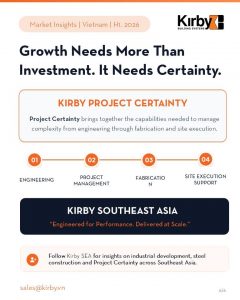
This approach can help create greater visibility across engineering, fabrication, delivery, and erection.
For businesses investing in Vietnam, that coordination matters.
A manufacturing facility is ultimately part of a larger investment. The building needs to support the company’s current requirements while also providing the flexibility to respond to future growth.
Looking Ahead: A New Chapter for Vietnam Manufacturing
Vietnam’s manufacturing growth is part of a broader transformation taking place across Southeast Asia.
As global supply chains continue to evolve, Vietnam is positioned to attract further investment from companies looking to establish or expand their regional manufacturing presence.
This growth will create opportunities not only for manufacturers, but also for the wider industrial ecosystem — including engineering, construction, logistics, materials, and supporting services.
The next phase of development will require more than investment capital. It will require reliable infrastructure, efficient project execution, and building solutions that can support businesses as they scale.
Building for the Next Manufacturing Wave
At Kirby Southeast Asia, we see the growth of Vietnam’s manufacturing as an important part of the region’s industrial future.
As manufacturing investments continue to expand, businesses need industrial buildings that can support their operations with efficiency, reliability, and flexibility.
From factories and warehouses to other industrial facilities, the right building solution can become an important foundation for long-term growth.
Vietnam’s next manufacturing wave is already taking shape.
The opportunity now is to build the infrastructure that can move it forward.
Kirby Southeast Asia — Building Certainty for Industrial Growth.