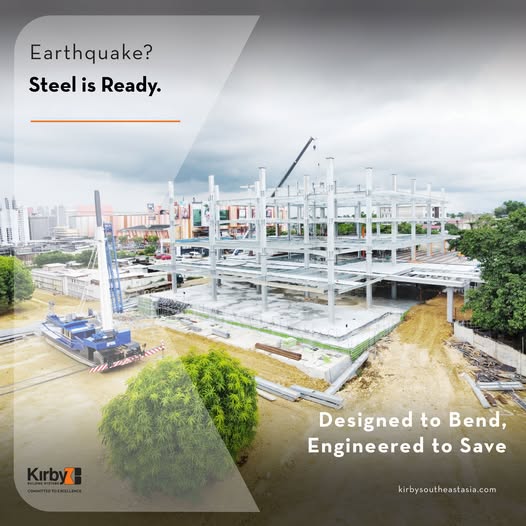
Earthquake-Resistant Steel Structures: Why Steel Is Ready Earthquakes create powerful forces that challenge the stability of buildings. In seismic zones, choosing the right structural system is essential to protect people, property, and business operations. Earthquake-resistant steel structures use strength, ductility, and engineered connections to respond to seismic forces. Unlike brittle systems, properly designed steel frames can accommodate controlled deformation during ground movement. Steel does not simply fight an earthquake. It is engineered to respond to movement. Table of Contents 1. Why Ductility Matters 2.
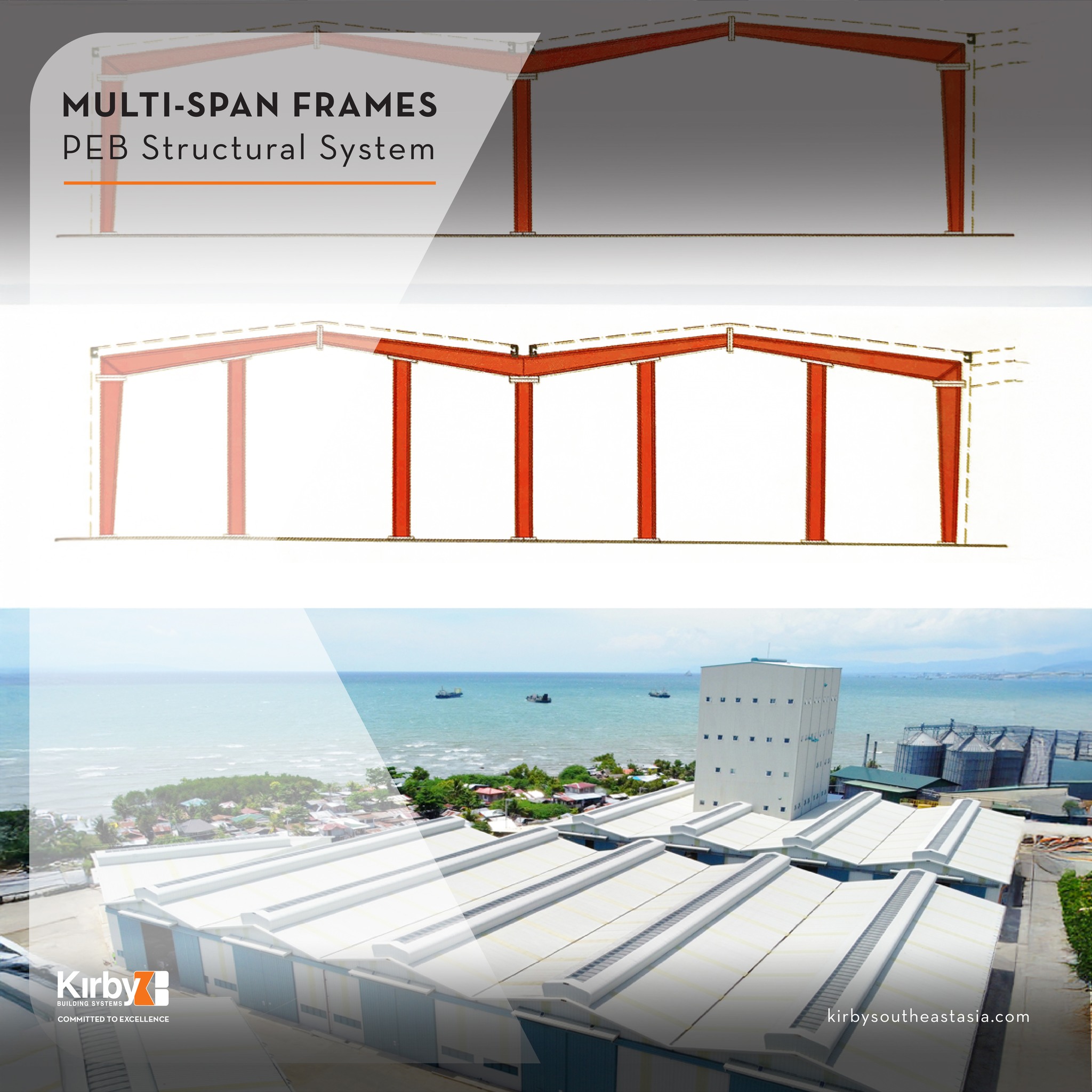
Multi-Span PEB Frames: 5 Key Structural Design Features Multi-Span PEB Frames are commonly used in large industrial and logistics buildings where wide, uninterrupted floor space is required. These structural systems provide an efficient solution for facilities that need large roof areas, flexible layouts, and optimized interior space. In pre-engineered building (PEB) design, multi-span configurations use multiple structural bays supported by interior columns. This arrangement helps engineers develop wide buildings while maintaining an efficient structural system. Depending on project requirements, up to six spans
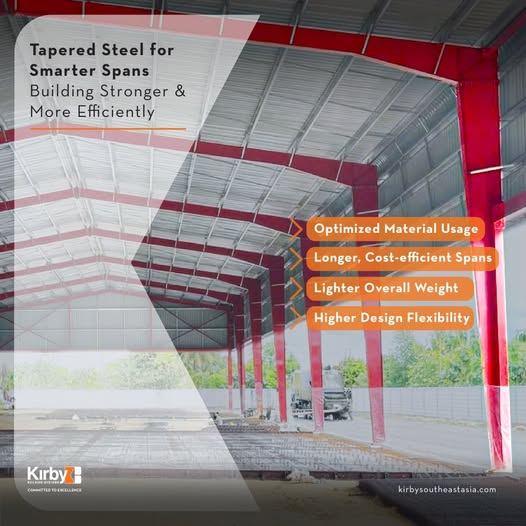
Built-Up Tapered Steel Sections: 5 Key Benefits in PEB Design At Kirby Southeast Asia, one of the key advantages of Pre-Engineered Buildings (PEB) lies in the use of Built-Up Tapered Steel Sections. These engineered members provide a smarter and more efficient alternative to conventional hot-rolled steel sections, helping create structures that balance strength, material efficiency and design flexibility. Unlike standard steel sections with a constant depth, built-up tapered members are designed with varying depths along their length. This allows engineers to position
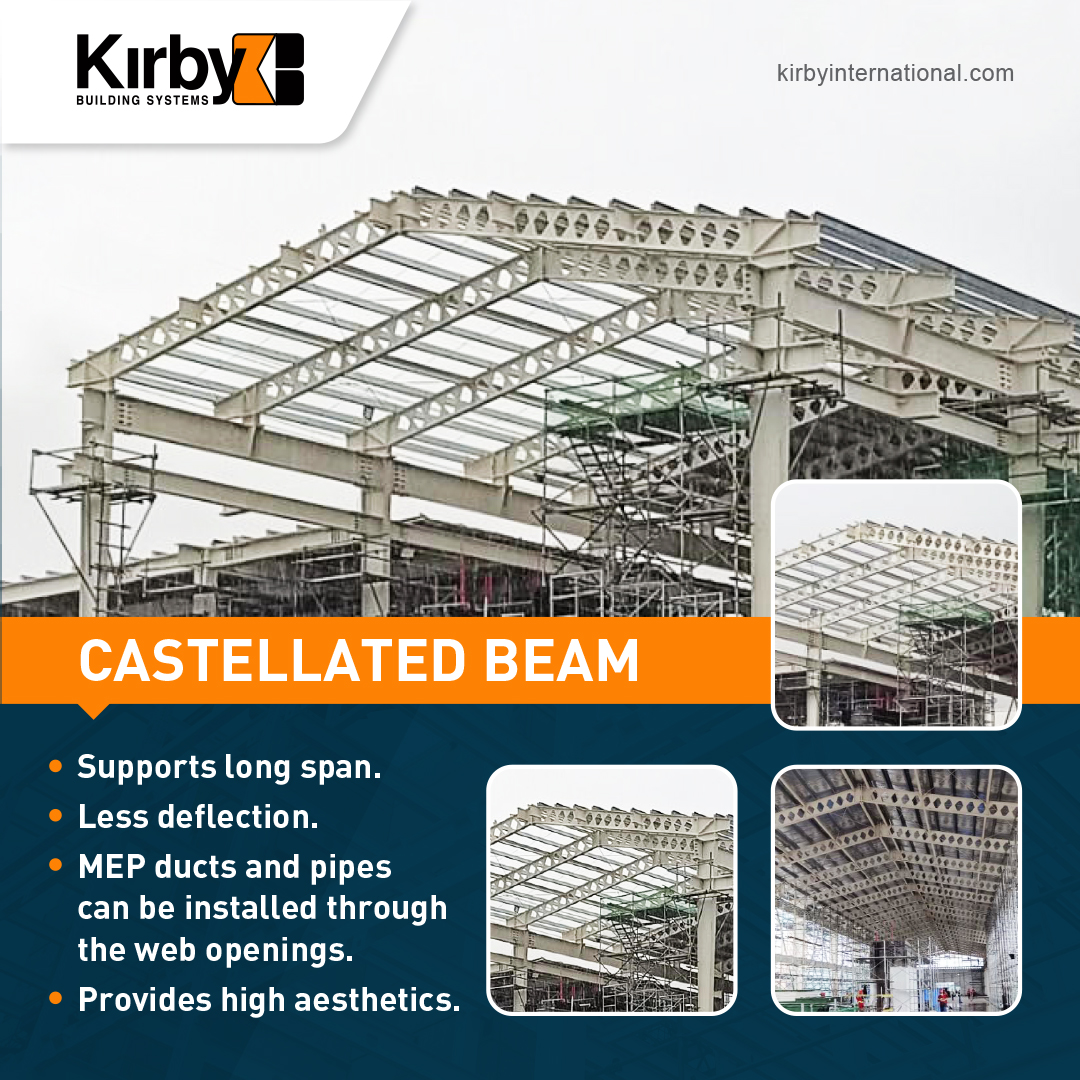
Castellated Beams: Benefits and Applications in Steel Buildings At Kirby Southeast Asia, we specialize in designing and supplying steel pre-engineered buildings and structures. We continuously explore efficient structural solutions to meet modern construction requirements. Castellated Beams are one such solution. With their distinctive web openings and increased structural depth, these beams offer advantages in long-span applications, service integration, and architectural design. By combining structural efficiency with practical functionality, castellated beams can help create flexible and visually appealing steel buildings. Table of Contents What Are