

Steel Buildings for Urban Development: 5 Key Advantages
In modern cities, limited land availability and increasing construction demands make structural efficiency more important than ever. Developers need building systems that maximize usable space while maintaining structural performance and construction efficiency.
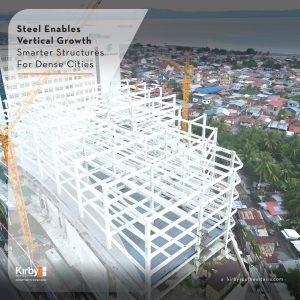
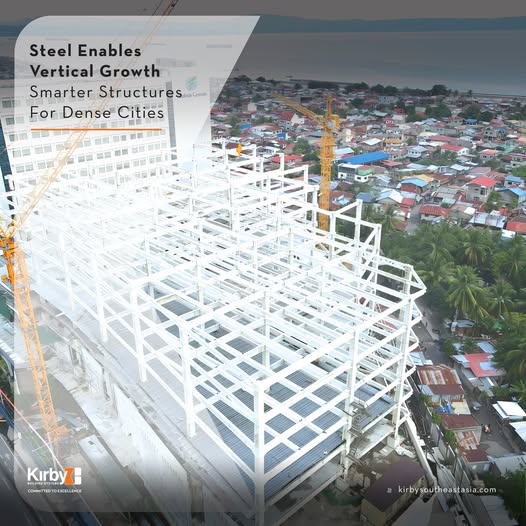
Steel Buildings for Urban Development offer an effective approach to these challenges. With a high strength-to-weight ratio, steel allows engineers to design efficient structural systems with slimmer columns, flexible layouts, and reduced overall structural weight.
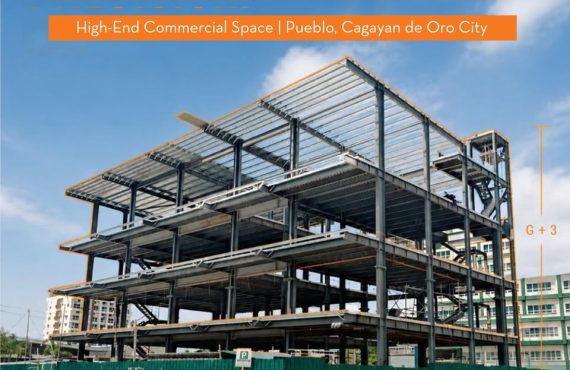
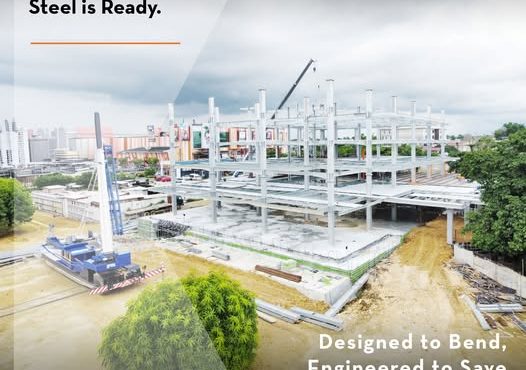
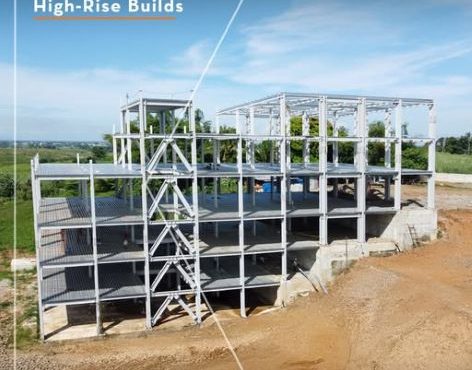
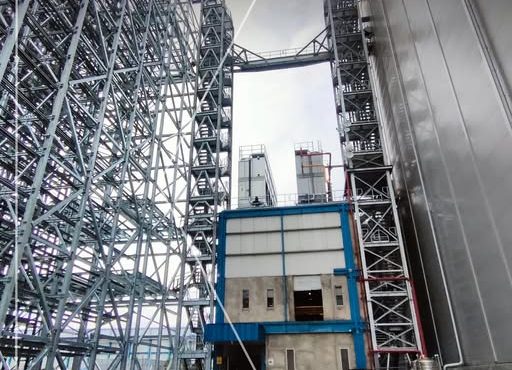
For multi-storey industrial and urban buildings, steel construction can support vertical development while making better use of valuable urban land.
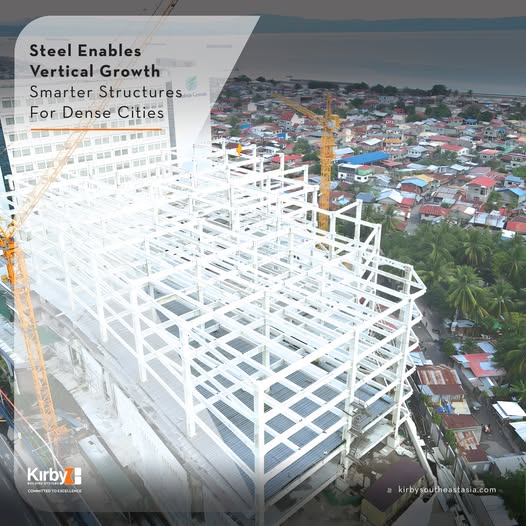
Table of Contents
- 1. Why Steel Buildings for Urban Development Matter
- 2. Slimmer Columns and More Usable Space
- 3. Reduced Structural Weight and Foundation Demands
- 4. Faster Construction and Less Site Disruption
- 5. Greater Design Flexibility
- 6. Supporting More Sustainable Urban Growth
1. Why Steel Buildings for Urban Development Matter
Urban development increasingly requires buildings to accommodate more activities within limited land areas. Industrial facilities, commercial spaces, and multi-storey developments must make efficient use of every available square metre.
Steel provides valuable structural advantages because of its strength relative to its weight. This allows engineers to develop efficient framing systems that support different building heights and functional requirements.
When properly engineered, steel structures can help developers make better use of constrained urban sites without compromising essential structural requirements.
2. Slimmer Columns and More Usable Space
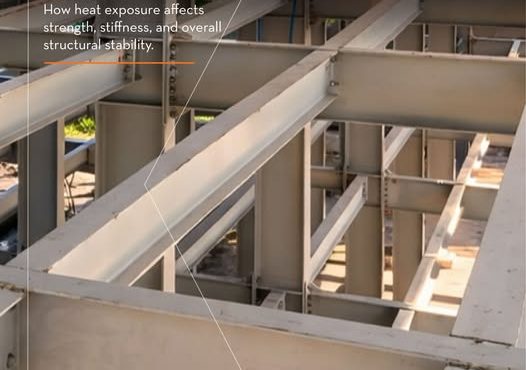
One important advantage of steel construction is its potential to reduce the size and weight of structural members.
Depending on loading conditions and structural design, steel columns can be designed with more efficient dimensions than comparable alternatives.
Slimmer columns can increase usable floor areas and provide greater flexibility for interior layouts, equipment placement, and building operations.
This is particularly valuable for commercial and industrial buildings where maximizing functional space can improve long-term operational efficiency.
3. Reduced Structural Weight and Foundation Demands
A lighter structural system can reduce the dead load transferred to the foundations. This may allow more efficient foundation solutions, depending on soil conditions and the overall building design.
In dense urban environments, where construction sites may have challenging ground conditions or limited working space, reducing structural weight can offer important design advantages.
Engineers must still evaluate soil capacity, foundation requirements, building loads, and site conditions before selecting an appropriate structural solution.
The Australian Steel Institute’s guide to steel construction advantages also explains how reduced structural weight can benefit foundation design.
4. Faster Construction and Less Site Disruption
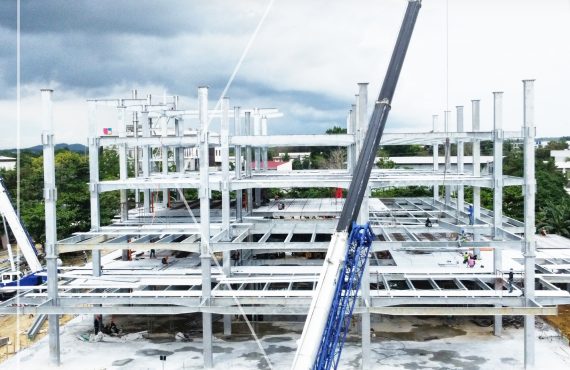
Steel construction can improve project scheduling through factory fabrication and coordinated on-site installation.
Many structural components can be manufactured before arriving at the construction site. This helps organize installation activities and reduces the amount of fabrication work required on site.
In busy urban environments, more coordinated construction activities can help minimize disruption to surrounding businesses, traffic, and neighboring properties.
Actual construction schedules depend on project complexity, fabrication planning, transportation, site conditions, and installation requirements.
5. Greater Design Flexibility
Steel offers architects and engineers considerable flexibility when developing structural layouts.
Its versatility supports different building configurations, longer spans, and adaptable interior arrangements when appropriate structural systems are selected.
For industrial developments, this flexibility can accommodate production areas, storage facilities, equipment, and changing operational requirements.
Explore Kirby’s Pre-Engineered Steel Building solutions to understand how engineered steel components support different non-residential building applications.
6. Supporting More Sustainable Urban Growth
Responsible urban development requires more than building higher. It also involves using materials efficiently and considering the environmental impact of construction throughout a building’s lifecycle.
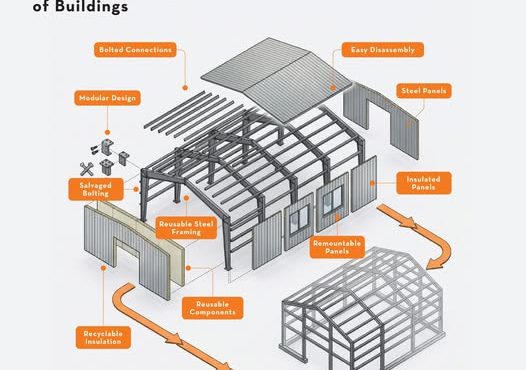
Steel is recyclable and can support resource-efficient construction when material selection, design, fabrication, and future reuse are carefully considered.
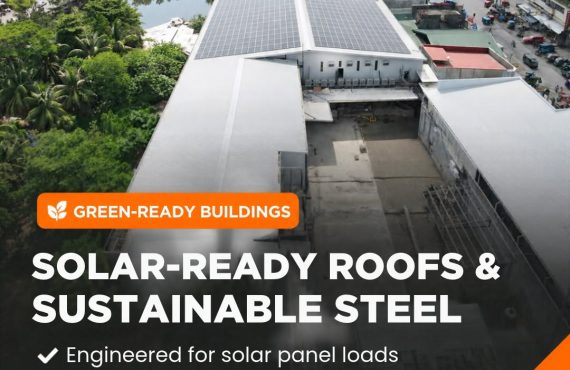
Kirby Southeast Asia also provides green building options designed to support customer sustainability requirements, including energy-efficient building features and recyclable steel components.
Discover more about our green building initiatives and how steel construction can contribute to environmental objectives.
Conclusion: Building Higher with Smarter Steel Design
Steel Buildings for Urban Development offer valuable opportunities to address the challenges of limited land, increasing building demands, and construction efficiency.
From slimmer columns and reduced structural weight to faster installation and greater design flexibility, steel provides advantages that can support the evolving needs of modern cities.
At Kirby Southeast Asia, we design pre-engineered steel solutions that adapt to different industrial and commercial requirements. Through engineering expertise and coordinated building systems, we aim to support efficient construction and long-term building value.
Because the future of urban development is not simply about building higher. It is about making every square metre count.
Steel with Green – Part 5: Steel Enables Vertical Urban Growth.