admin

/admin

About admin

This author admin has created 56 entries.

PHILCONSTRUCT Manila 2026

We’re excited to announce our participation in PHILCONSTRUCT Manila 2026, one of the Philippines’ leading construction industry exhibitions. Booth: 1416 June 25 – 28, 2026 SMX

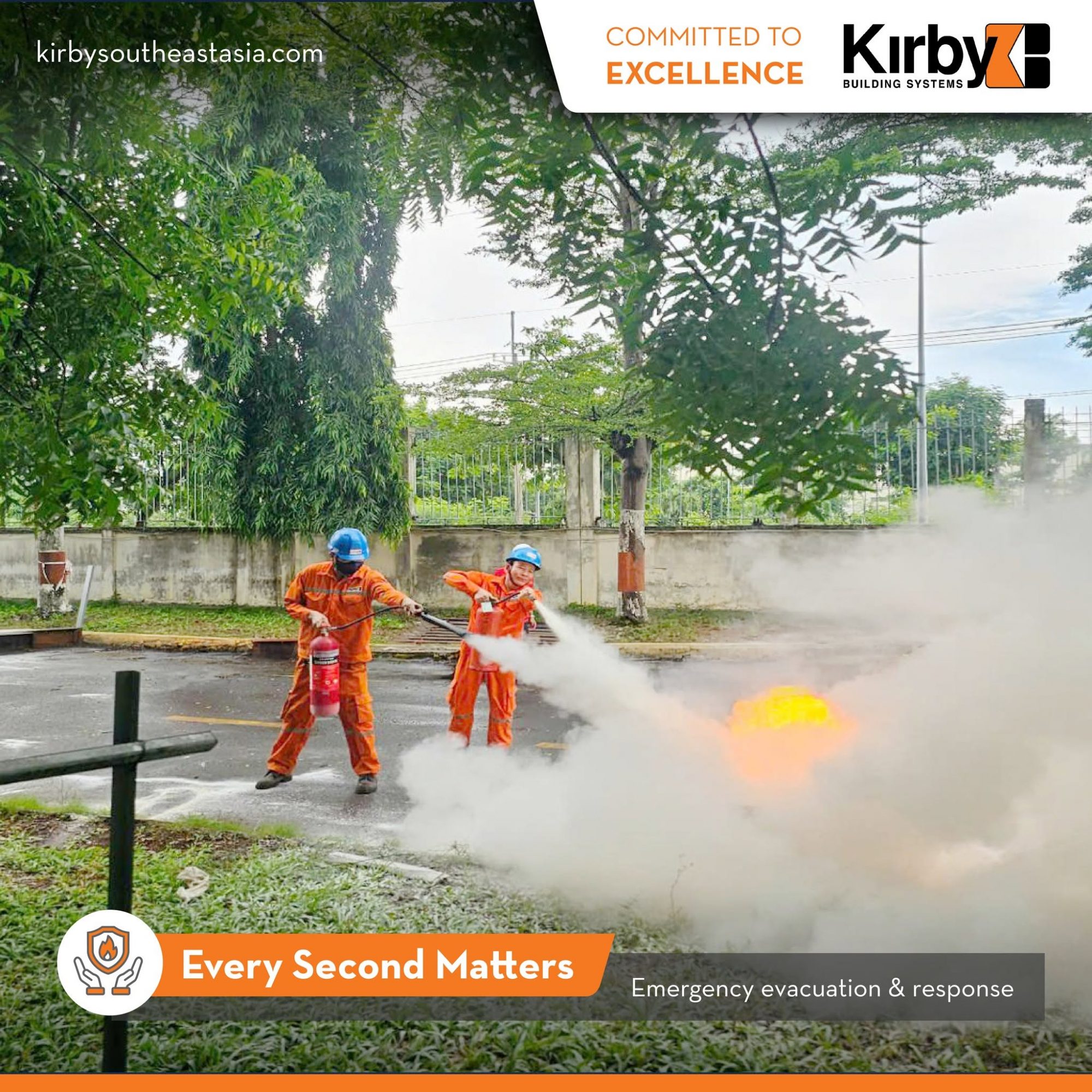
𝐒𝐭𝐞𝐞𝐥 & 𝐅𝐢𝐫𝐞 – 𝐏𝐚𝐫𝐭 𝟑: 𝐅𝐢𝐫𝐞 𝐏𝐫𝐨𝐭𝐞𝐜𝐭𝐢𝐨𝐧 𝐌𝐞𝐭𝐡𝐨𝐝𝐬 𝐟𝐨𝐫 𝐒𝐭𝐞𝐞𝐥 𝐁𝐮𝐢𝐥𝐝𝐢𝐧𝐠𝐬

Steel structures are highly dependable, but maintaining their structural integrity during a fire requires the right protection measures. The goal is straightforward: slow down heat transfer and preserve the building’s load-bearing capacity long enough for safe evacuation and emergency response. Common fire protection solutions include: 𝐈𝐧𝐭𝐮𝐦𝐞𝐬𝐜𝐞𝐧𝐭 𝐂𝐨𝐚𝐭𝐢𝐧𝐠𝐬 – Expand when exposed to extreme heat to form a thick, insulating layer around the steel. 𝐒𝐩𝐫𝐚𝐲-𝐀𝐩𝐩𝐥𝐢𝐞𝐝 𝐅𝐢𝐫𝐞-𝐑𝐞𝐬𝐢𝐬𝐭𝐢𝐯𝐞 𝐌𝐚𝐭𝐞𝐫𝐢𝐚𝐥𝐬 (𝐒𝐅𝐑𝐌) – A highly practical, cost-effective solution for industrial and commercial projects. 𝐅𝐢𝐫𝐞 𝐏𝐫𝐨𝐭𝐞𝐜𝐭𝐢𝐨𝐧 𝐁𝐨𝐚𝐫𝐝𝐬 – Clean, rigid boards

𝐄𝐧𝐠𝐢𝐧𝐞𝐞𝐫𝐢𝐧𝐠 𝐁𝐞𝐡𝐢𝐧𝐝 𝐭𝐡𝐞 𝐏𝐫𝐨𝐣𝐞𝐜𝐭 – 𝐏𝐚𝐫𝐭 𝟏: 𝐄𝐧𝐠𝐢𝐧𝐞𝐞𝐫𝐢𝐧𝐠 𝐟𝐨𝐫 𝐒𝐮𝐩𝐩𝐥𝐲 𝐂𝐡𝐚𝐢𝐧 𝐑𝐞𝐬𝐢𝐥𝐢𝐞𝐧𝐜𝐞

As global industries continue facing logistics disruption, tariff pressures, and manufacturing shifts across Southeast Asia, industrial buildings are being designed with a new priority: resilience. Modern pre-engineered steel buildings (PEB) are no longer just structures for operations; they help businesses adapt faster, scale efficiently, and reduce downtime risks. Key engineering considerations include: • Faster construction timelines • Flexible future expansion • Optimized clear-span layouts • Efficient logistics flow • Scalable operational space From logistics hubs to advanced manufacturing facilities, resilient infrastructure has become an important part of modern

𝐏𝐄𝐁 𝐊𝐧𝐨𝐰𝐥𝐞𝐝𝐠𝐞 – 𝐏𝐚𝐫𝐭 𝟒: 𝐙 & 𝐂 𝐏𝐮𝐫𝐥𝐢𝐧𝐬 – 𝐓𝐡𝐞 𝐁𝐚𝐜𝐤𝐛𝐨𝐧𝐞 𝐨𝐟 𝐒𝐞𝐜𝐨𝐧𝐝𝐚𝐫𝐲 𝐅𝐫𝐚𝐦𝐢𝐧𝐠

In Pre-Engineered Buildings (PEB), Z and C purlins play a critical role in supporting the roof and wall systems, forming the backbone of secondary framing. These cold-formed members are designed to efficiently transfer loads from sheeting to the main structure, while maintaining a lightweight and economical system. Why Z & C Purlins Matter  Efficient load distribution from roof and wall panels  Lightweight design reduces overall structural weight  Z purlins allow lapping, improving continuity and strength  C purlins are typically used for end bays and simple spans

𝐒𝐭𝐞𝐞𝐥 𝐰𝐢𝐭𝐡 𝐆𝐫𝐞𝐞𝐧 – 𝐏𝐚𝐫𝐭 𝟔: 𝐃𝐞𝐬𝐢𝐠𝐧𝐞𝐝 𝐟𝐨𝐫 𝐑𝐞𝐮𝐬𝐞 – 𝐓𝐡𝐞 𝐂𝐢𝐫𝐜𝐮𝐥𝐚𝐫 𝐅𝐮𝐭𝐮𝐫𝐞 𝐨𝐟 𝐁𝐮𝐢𝐥𝐝𝐢𝐧𝐠𝐬

What if buildings were not the end of a lifecycle – but the start of the next? The construction industry is evolving from a linear model (build → use → demolish) to a circular approach, where materials are designed to stay in use for as long as possible. Steel plays a key role in making this transition achievable. With pre-engineered steel buildings:  Structures can be 𝐝𝐢𝐬𝐦𝐚𝐧𝐭𝐥𝐞𝐝 𝐚𝐧𝐝 𝐫𝐞𝐥𝐨𝐜𝐚𝐭𝐞𝐝 Components can be 𝐫𝐞𝐮𝐬𝐞𝐝 𝐚𝐜𝐫𝐨𝐬𝐬 𝐦𝐮𝐥𝐭𝐢𝐩𝐥𝐞 𝐩𝐫𝐨𝐣𝐞𝐜𝐭𝐬 Buildings can be 𝐞𝐱𝐩𝐚𝐧𝐝𝐞𝐝 𝐨𝐫 𝐦𝐨𝐝𝐢𝐟𝐢𝐞𝐝 𝐰𝐢𝐭𝐡 𝐞𝐚𝐬𝐞 This flexibility helps

𝐀 𝐬𝐞𝐚𝐬𝐨𝐧 𝐨𝐟 𝐫𝐞𝐧𝐞𝐰𝐚𝐥 𝐚𝐧𝐝 𝐚 𝐧𝐞𝐰 𝐜𝐡𝐚𝐩𝐭𝐞𝐫 𝐟𝐨𝐫 𝐢𝐧𝐝𝐮𝐬𝐭𝐫𝐢𝐚𝐥 𝐜𝐨𝐧𝐬𝐭𝐫𝐮𝐜𝐭𝐢𝐨𝐧 𝐢𝐧 𝐒𝐨𝐮𝐭𝐡𝐞𝐚𝐬𝐭 𝐀𝐬𝐢𝐚

As Songkran brings a season of renewal in Thailand and across parts of Southeast Asia, it’s also a time to look ahead to new opportunities in growth and development. At Kirby Southeast Asia, we embrace this spirit by advancing how steel buildings and pre-engineered buildings (PEB) are designed and delivered, enabling faster construction, improved efficiency, and long-term sustainability. From warehouses to large-scale industrial facilities, we are proud to support the region’s development with high-performance steel construction solutions. Let’s build what’s next, together.

𝐒𝐭𝐞𝐞𝐥 & 𝐅𝐢𝐫𝐞 – 𝐏𝐚𝐫𝐭 𝟐: 𝐇𝐨𝐰 𝐅𝐢𝐫𝐞 𝐀𝐟𝐟𝐞𝐜𝐭𝐬 𝐒𝐭𝐞𝐞𝐥 𝐒𝐭𝐫𝐮𝐜𝐭𝐮𝐫𝐞𝐬

Steel does not burn – but high temperatures significantly influence its structural behavior. As the temperature increases, steel gradually loses both strength and stiffness. By approximately 600°C, structural steel retains only about 50% of its yield strength, a benchmark referenced in major design standards such as Eurocode and AISC. Importantly, steel does not need to reach its melting point to compromise a structure. Well below that temperature, the material softens

𝐏𝐄𝐁 𝐊𝐧𝐨𝐰𝐥𝐞𝐝𝐠𝐞 – 𝐏𝐚𝐫𝐭 𝟑: 𝐏𝐄𝐁 𝐰𝐢𝐭𝐡 𝐎𝐯𝐞𝐫𝐡𝐞𝐚𝐝 𝐂𝐫𝐚𝐧𝐞 – 𝐄𝐧𝐠𝐢𝐧𝐞𝐞𝐫𝐞𝐝 𝐟𝐨𝐫 𝐈𝐧𝐝𝐮𝐬𝐭𝐫𝐢𝐚𝐥 𝐏𝐞𝐫𝐟𝐨𝐫𝐦𝐚𝐧𝐜𝐞

Rigid frame Pre-Engineered Buildings (PEB) can be designed to support 𝐄𝐎𝐓 𝐜𝐫𝐚𝐧𝐞 𝐬𝐲𝐬𝐭𝐞𝐦𝐬 𝐮𝐩 𝐭𝐨 𝟏𝟓 𝐌𝐓 (span up to 21 m), in compliance with 𝐀𝐈𝐒𝐂 𝐚𝐧𝐝 𝐌𝐁𝐌𝐀 𝐬𝐭𝐚𝐧𝐝𝐚𝐫𝐝𝐬. For crane-supported buildings, structural performance goes beyond static loads – dynamic effects must be carefully evaluated. Typical design considerations include: Bracket-mounted crane runway systems Independent support columns for higher crane capacities Impact allowance of 10–25% of the maximum wheel load 20% lateral force from trolley movement Verification of critical load combinations Crane buildings are dynamic systems. Precise load calculation

𝐒𝐭𝐞𝐞𝐥 𝐬𝐭𝐫𝐮𝐜𝐭𝐮𝐫𝐞𝐬 𝐚𝐫𝐞 𝐛𝐮𝐢𝐥𝐭 𝐛𝐲 𝐩𝐞𝐨𝐩𝐥𝐞 – 𝐚𝐧𝐝 𝐦𝐚𝐧𝐲 𝐨𝐟 𝐭𝐡𝐞𝐦 𝐚𝐫𝐞 𝐰𝐨𝐦𝐞𝐧

This International Women’s Day, Kirby celebrates the women contributing across our corporation. Their expertise supports every stage of our pre-engineered building (PEB) projects, industrial facilities, and warehouse developments across Southeast Asia and worldwide. In steel construction, strength is not only measured in tons – but in resilience, precision, and leadership. Happy International Women’s Day 2026.