

Steel with Green – Part 7: 7 Ways Sustainable Steel Construction Helps Protect Nature
Sustainable steel construction is not only about designing strong and efficient buildings. It is also about making responsible choices that help protect natural resources, reduce environmental impact, and support a more sustainable future.
When we think about nature conservation, we often picture forests, wildlife, clean rivers, and protected landscapes. But protecting nature also starts with how we design, manufacture, construct, and operate the buildings around us.
As the construction industry continues to grow, sustainable steel construction can play an important role in reducing waste, improving resource efficiency, and creating buildings that are designed with the future in mind.
Table of Contents
1. Why Sustainable Steel Construction Matters
2. Steel Supports Resource Efficiency
3. Reducing Construction Waste
4. Designing Buildings for Long-Term Performance
5. The Role of Pre-Engineered Buildings
6. Sustainability Through Responsible Manufacturing
7. Building a More Sustainable Future
Why Sustainable Steel Construction Matters
The built environment has a significant impact on natural resources. From raw materials and energy consumption to transportation and construction waste, every stage of a building’s lifecycle can influence the environment.
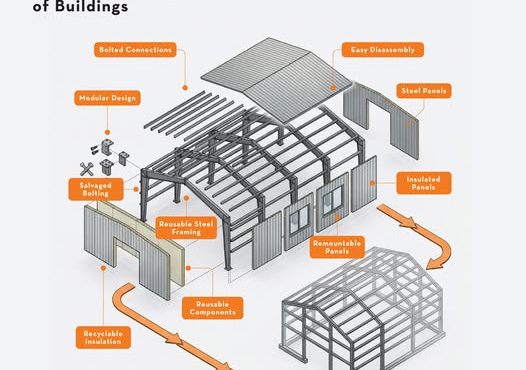
This is why sustainable steel construction focuses on more than the final structure. It considers how materials are selected, engineered, manufactured, transported, assembled, used, maintained, and eventually reused or recycled.
Steel is particularly valuable in this context because it can be engineered with precision and reused or recycled at the end of a building’s service life. With thoughtful design and responsible project planning, steel structures can help construction teams use materials efficiently while maintaining the strength and performance required for industrial and commercial buildings.
Steel Supports Resource Efficiency
One of the key principles of sustainable construction is using resources efficiently.
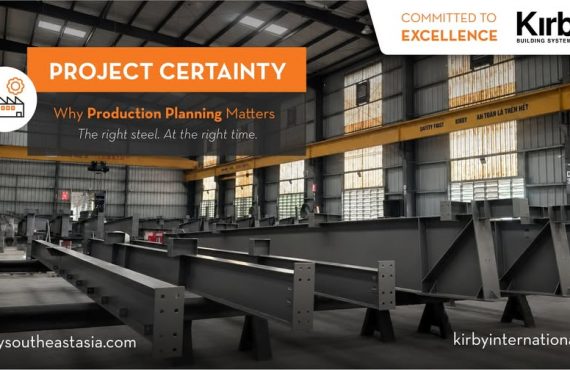
Steel structures can be engineered according to specific project requirements, allowing designers and engineers to optimize the amount of material required for the structure. Accurate engineering and fabrication can help minimize unnecessary material use while maintaining structural performance.
This approach is especially relevant for pre-engineered buildings (PEB), where structural components are designed and fabricated before arriving at the construction site.
Better planning can lead to:
- More efficient material utilization
- Accurate fabrication and assembly
- Reduced material off-cuts
- More predictable construction processes
- Improved project planning and coordination
Resource efficiency does not mean compromising on strength. Instead, it means using engineering and technology to achieve the required performance with greater precision.
Reducing Construction Waste
Construction waste is another important environmental consideration.
Traditional construction processes can generate significant amounts of waste when materials are cut, modified, or discarded on site. A well-planned steel building system can reduce this impact by moving much of the fabrication and preparation process into a controlled manufacturing environment.
With accurate detailing, cutting, fabrication, and quality control, steel components can arrive at the project site ready for assembly.
This can help reduce:
- On-site cutting and modification
- Material waste
- Packaging and handling issues
- Construction time
- Unnecessary transportation and rework
Reducing waste is a practical way for the construction industry to contribute to environmental responsibility while also improving project efficiency.
Designing Buildings for Long-Term Performance
Sustainability should not stop when construction is completed.
A building that performs effectively over a long service life can reduce the need for frequent replacement, major repairs, or unnecessary use of new resources.
Good structural design considers factors such as:
- Building function and future requirements
- Structural durability
- Maintenance needs
- Local environmental conditions
- Energy and operational considerations
- Potential future expansion or modification
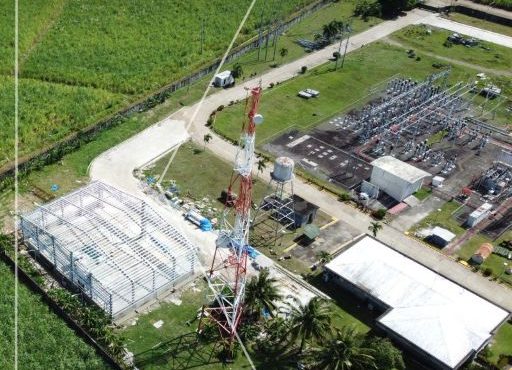
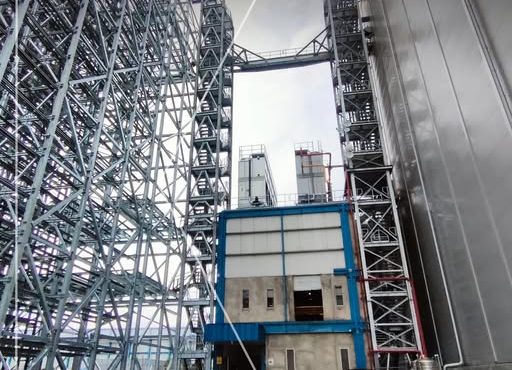
For industrial facilities, warehouses, manufacturing plants, and other large-span buildings, flexible steel systems can provide opportunities for future changes to the building layout or capacity.
Designing with the future in mind can help extend the useful life of a building and reduce the environmental impact associated with demolition and rebuilding.
The Role of Pre-Engineered Buildings
Pre-engineered buildings are an important example of how engineering can support more efficient construction.
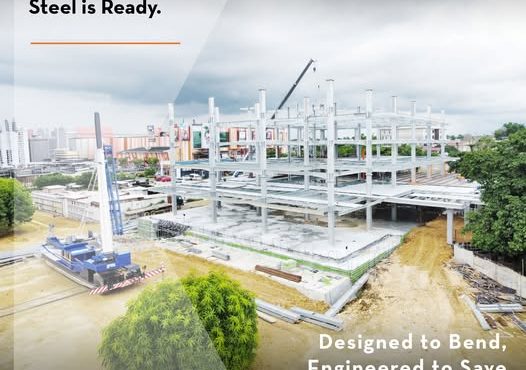
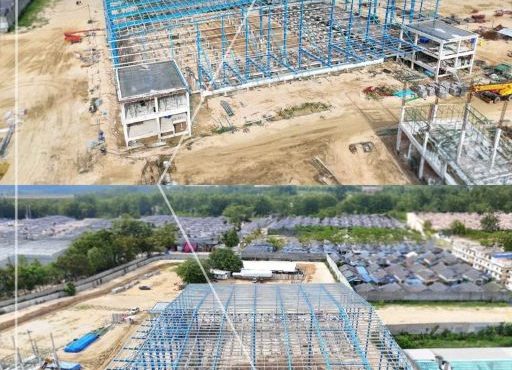
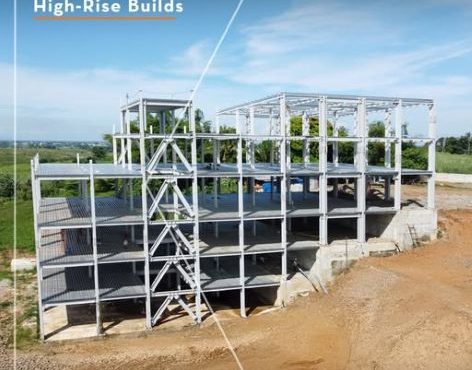
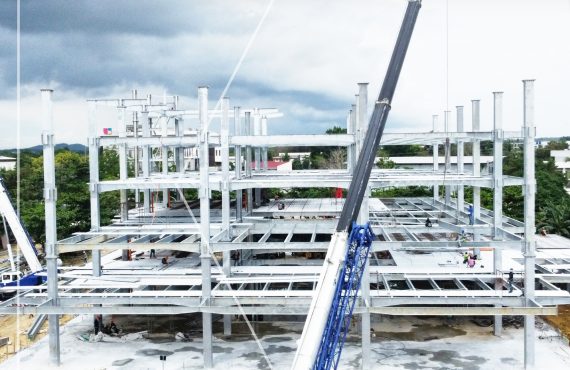
PEB systems use detailed engineering and off-site fabrication to produce structural components according to project specifications. These components are then transported to the construction site for assembly.
This approach can offer several sustainability-related advantages.
First, controlled fabrication can improve material accuracy and reduce unnecessary waste. Second, standardized and engineered components can help simplify installation. Third, shorter and more predictable construction processes can help reduce disruption at the project site.
For businesses developing industrial facilities across Southeast Asia, these advantages can contribute to both project efficiency and responsible construction practices.
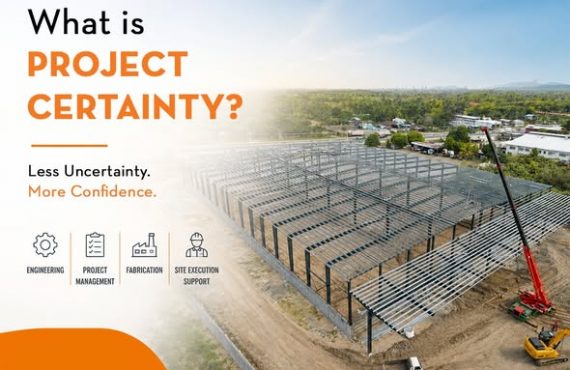
Learn more about how steel production planning can support project certainty and efficient building delivery through our related article, [Steel Production Planning: Building Project Certainty].
Sustainability Through Responsible Manufacturing
Sustainable construction also depends on what happens before materials reach the construction site.
Responsible steel manufacturing and fabrication require careful planning, quality control, resource management, and attention to environmental performance.
At Kirby Southeast Asia, engineering, manufacturing, and construction processes are connected to help deliver steel building solutions that meet project requirements.
From structural engineering and detailing to fabrication and site assembly, each stage provides an opportunity to improve accuracy, reduce rework, and use resources responsibly.
Technology also continues to create opportunities for the steel construction industry to improve its processes. Better digital coordination, project planning, fabrication technology, and quality control can contribute to more efficient building delivery.
Sustainability is therefore not a single action. It is a continuous process of making better decisions throughout the building lifecycle.
Building a More Sustainable Future
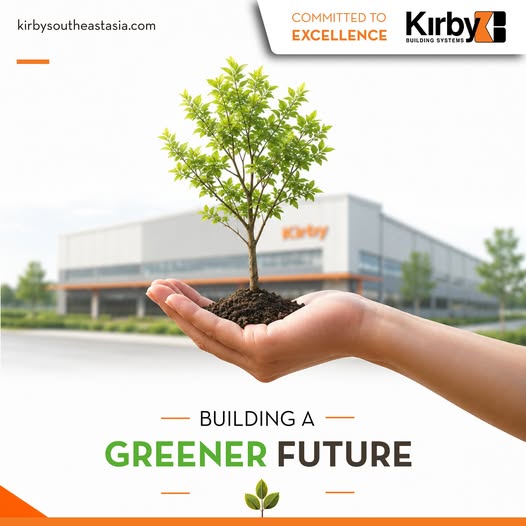
Protecting nature starts with the choices we make today.
For the construction industry, this means looking beyond the immediate requirements of a project and considering how buildings affect resources, waste, energy, and the environment throughout their lifecycle.
Sustainable steel construction can contribute to this goal through efficient engineering, responsible material use, controlled fabrication, reduced construction waste, durable structures, and the potential for steel to be reused or recycled.
As Southeast Asia continues to develop, the demand for industrial buildings, warehouses, manufacturing facilities, and other large-scale structures will continue to grow. The opportunity is not simply to build more, but to build more responsibly.
At Kirby Southeast Asia, we believe engineering excellence and environmental responsibility can work together. By combining steel construction expertise with thoughtful design and efficient project delivery, we can help create buildings that are built for performance while keeping the future in mind.
Because protecting nature does not only happen in forests or conservation areas.
It also starts with how we build.
A Greener Approach to Steel Construction
From pre-engineered buildings and steel structures to project planning and manufacturing, every decision can contribute to a more efficient and responsible built environment.
Discover how Kirby Southeast Asia combines engineering expertise, steel building solutions, and project certainty to support the future of construction across Southeast Asia.